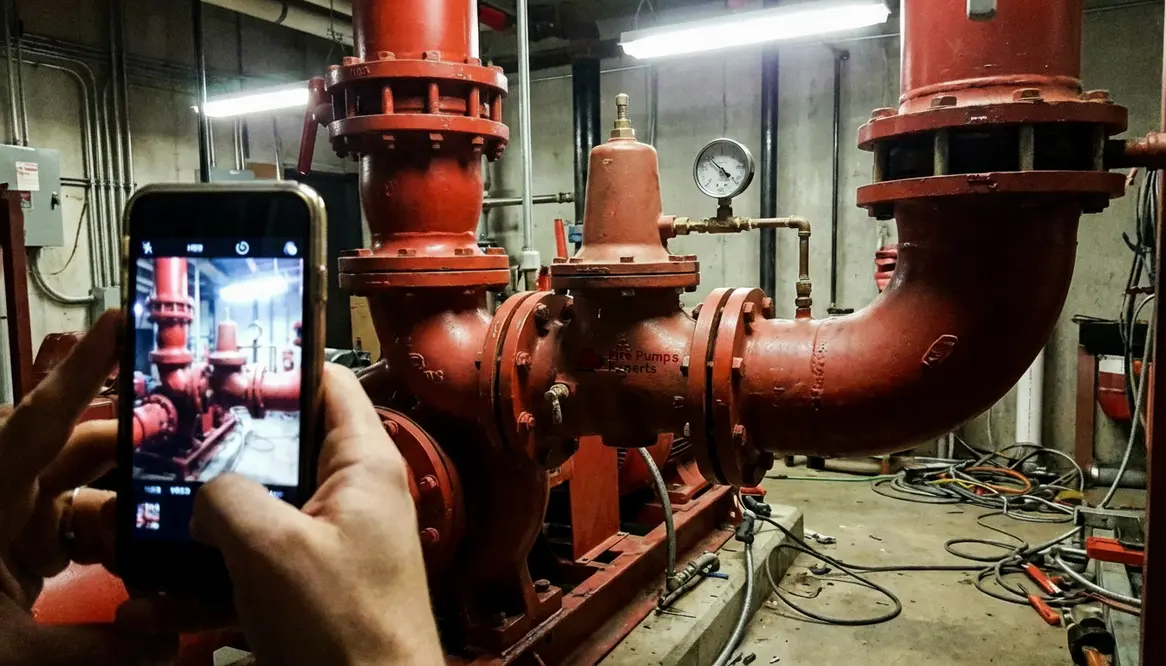
Fire Pump PRV System Interaction Design Guide
I have spent years watching systems behave under pressure, and if there is one place where things quietly get complicated, it is in the relationship between pumps and valves. The fire pump PRV system interaction is one of those topics that seems simple until it is not. In large commercial and industrial buildings, pressure regulating valves can either bring harmony to a system or create a slow moving headache that shows up during testing. So today, I will walk you through how I approach design, where things go sideways, and how to keep everything running like a well rehearsed orchestra instead of a garage band on a bad day.
How I Approach Fire Pump Design with Pressure Regulating Valves
When I design a fire pump system, I do not start with the pump. That surprises people. Instead, I start with the building demand and how pressure behaves across elevation and distance. After that, I look at where pressure regulating valves are needed to prevent over pressurization at lower floors.
However, once PRVs enter the picture, the pump selection becomes more nuanced. A pump that delivers too much pressure forces the PRVs to work overtime. That leads to wear, instability, and sometimes chatter that sounds like a drum solo nobody asked for. On the other hand, a pump that is too conservative risks failing to meet demand at higher elevations.
So I balance the curve carefully. I match the pump performance to the system demand while allowing the PRVs to do their job without becoming the star of the show.
Reading the building before picking the pump
I start by mapping out the highest and lowest points of the system, expected demand at each level, and how friction loss and elevation combine to create real pressure at key nodes. Only after that picture is clear do I allow myself to even look at a pump data sheet.
This mindset keeps the fire pump PRV system interaction from turning into a retrofit problem a few years down the road. The goal is to minimize how often PRVs are forced to do damage control for an oversized pump.
What Happens When Pressure Regulating Valves Fight the Pump
This is where things get interesting. And by interesting, I mean expensive if ignored.
PRVs are designed to reduce downstream pressure, but they do not operate in isolation. When the pump pushes high pressure into a system, the valves respond by throttling. That interaction can create fluctuating flow conditions, especially during partial demand scenarios.
As a result, I often see systems where the pump curve and valve settings are working against each other. The outcome is unstable pressure, inconsistent flow, and test results that make everyone in the room suddenly very quiet.
Therefore, I always coordinate valve settings with actual pump performance data. Guesswork has no place here. Even Hollywood cannot script a happy ending for a system designed on assumptions alone.
Partial flow: where trouble usually shows up
Full flow tests tend to look fine because everything is wide open. The awkward part of the fire pump PRV system interaction usually appears when only a few sprinklers open or a single hose valve flows. That is when throttling, hunting, and pressure spikes come out of hiding.
Designing for Stability in High Rise and Large Facilities
In large buildings, stability is everything. I design with the understanding that demand will vary across zones, and the system must remain predictable under all conditions.
First, I divide the building into pressure zones where needed. Then, I ensure that each zone operates within a manageable pressure range. This reduces the burden on PRVs and allows them to operate more smoothly.
Additionally, I account for flow demand diversity. Not every hose valve and sprinkler will operate at once, but the system must handle peak scenarios without collapsing into chaos.
Think of it like traffic control. If everything flows smoothly, nobody notices. But the moment signals conflict, the whole city feels it.
Zoning as a stability tool
By keeping each pressure zone within a reasonable range, the fire pump PRV system interaction becomes more predictable. Valves spend less time wrestling with excessive pressure and more time quietly doing their job.
Balancing Pump Curves and Valve Settings
Left Column
I always begin with the pump curve. I look at churn pressure, rated pressure, and overload conditions. Then I compare those points against the pressure limits of the system.
Next, I set PRVs based on realistic downstream needs, not theoretical ideals. This ensures that valves operate within their optimal range rather than constantly compensating for excess pressure.
Right Column
After that, I simulate different demand scenarios. Full flow, partial flow, and everything in between. Because systems rarely behave exactly as planned.
Finally, I verify that the interaction remains stable across all conditions. If the valves are constantly adjusting or hunting, I revisit the design. Stability is not optional.
Turning curves and settings into a calm system
When pump curves and PRV settings are tuned together, the fire pump PRV system interaction stops being a mystery and starts looking like a well run control strategy. Pressures stay within expectations, and testing becomes boring in the best possible way.
Where the fire pump PRV system interaction Can Go Wrong
I have seen a few recurring issues over the years, and they tend to show up in large scale properties where complexity increases.
One common mistake is oversizing the pump. Bigger is not always better, despite what action movies might suggest. An oversized pump creates excessive pressure that forces PRVs to compensate constantly.
Another issue is improper valve selection. Not all PRVs respond the same way under varying flow conditions. Choosing the wrong type can lead to oscillation and premature failure.
Finally, poor commissioning practices often leave systems operating far from their intended design. Without proper testing and adjustment, even a well designed system can behave unpredictably.
So yes, the interaction between pumps and PRVs matters more than most people expect. Ignore it, and the system will eventually let you know, usually at the worst possible time.
Design, selection, and commissioning: the trio that decides success
Get the pump sizing wrong, pick the wrong type of PRV, or rush commissioning, and the fire pump PRV system interaction will eventually show the cracks. Get all three aligned, and the system tends to stay quiet, reliable, and unremarkable in the best sense of the word.
FAQ
Conclusion
If you manage or design fire protection for a commercial or industrial facility, do not leave performance to chance. I can help you evaluate, design, and fine tune systems where pumps and valves work together instead of competing. Reach out through https://firepumps.org and let us build a system that performs with confidence when it matters most. Because in this line of work, reliability is not a luxury. It is the whole point.