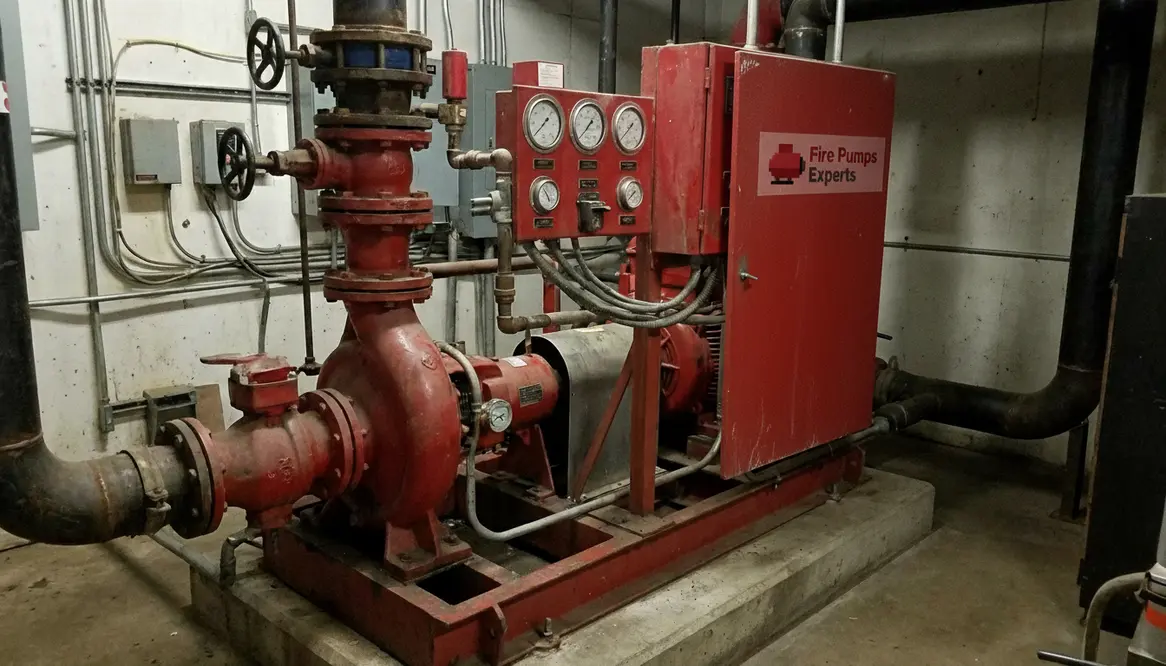
Fire Pump Variable Demand Systems Performance
I have spent enough time around commercial and industrial facilities to know one simple truth. Water demand rarely behaves. One moment a system sits quiet, the next it surges like a blockbuster action scene. That is exactly where fire pump variable demand systems step in. Within the first few seconds of a pressure drop, these systems must respond with calm precision, not panic. And frankly, they do not get the luxury of a second take.
So, let’s talk about how fire pump performance holds up when demand shifts unpredictably, and why getting this right can mean the difference between smooth operation and a very expensive headache.
Understanding Performance Under Variable Demand
When I evaluate performance, I do not just look at peak output. Instead, I focus on how a pump behaves across a range of flow conditions. Because in large facilities, demand rises and falls constantly. Sprinkler activation, pressure fluctuations, and system testing all create movement.
Therefore, a pump that only shines at one operating point is not enough. It must maintain stable pressure during low demand and still deliver full capacity when the system calls for it. Otherwise, you risk pressure drops, system wear, and inconsistent protection.
Interestingly, this is where many traditional setups struggle. They are built for extremes, not transitions. And yet, transitions are where most of the real work happens.
Why Consistency Matters More Than Raw Power
It is tempting to think bigger is better. More horsepower, more flow, more everything. However, I have seen oversized systems behave like a sports car stuck in traffic. Impressive, but not very useful.
Instead, consistency wins. A well tuned system adapts smoothly, avoiding sudden spikes that strain pipes and valves. In turn, this reduces maintenance costs and extends equipment life.
Moreover, steady performance ensures compliance with safety standards. Inspectors do not care how powerful your pump looks on paper. They care about how it performs under real conditions.
And yes, real conditions are messy. Think less textbook, more chaos with a clipboard.
How fire pump variable demand systems Handle Real World Fluctuations
I often explain it like this. A good system listens before it reacts. Modern fire pump variable demand systems rely on controls that adjust output based on actual pressure needs. As a result, they avoid overcorrecting.
For example, when demand increases slightly, the system ramps up gradually. On the other hand, when demand drops, it scales back without creating pressure shocks. This balance keeps everything stable.
Additionally, these systems reduce unnecessary cycling. Frequent starts and stops wear out components quickly. By maintaining a more continuous operation, they protect both the pump and the broader infrastructure.
It is not flashy. It is not dramatic. But it works, and in this industry, that is the closest thing to magic.
What Should I Look for in a Variable Demand Fire Pump Setup?
I get this question a lot, especially from facility managers trying to future proof their systems. The answer is surprisingly practical.
Key Performance Traits
- Stable pressure control across demand ranges
- Smooth acceleration and deceleration
- Minimal pressure fluctuation
- Reliable sensor feedback
Operational Benefits
- Lower mechanical stress
- Reduced maintenance frequency
- Improved system lifespan
- Better compliance readiness
At the same time, I always recommend looking at integration. A system should work seamlessly with existing infrastructure, not fight it. Because if your pump and your building are not on speaking terms, you will hear about it eventually.
The Hidden Cost of Ignoring Demand Variability
Now here is where things get serious. Ignoring variable demand is not just a technical oversight. It is a financial risk.
When systems fail to adapt, they often compensate in inefficient ways. Pumps run harder than needed. Components wear faster. Energy use climbs quietly in the background like a streaming subscription you forgot to cancel.
Meanwhile, performance gaps may go unnoticed until testing or, worse, an emergency. At that point, the cost is no longer theoretical.
So while upgrading to demand responsive solutions may seem like an upfront investment, it often prevents far greater expenses down the line.
Designing for Commercial and Industrial Realities
In large scale properties, complexity is the norm. Multiple zones, varying elevations, and diverse occupancy types all influence demand patterns.
Because of this, I always approach design with flexibility in mind. Systems must handle both predictable loads and unexpected spikes. Furthermore, they should allow for future expansion without requiring a complete overhaul.
Equally important, testing and monitoring capabilities should be built in. A system that cannot prove its performance is like a superhero who refuses to leave the house. Technically impressive, but not very helpful.
For design guidance, resources such as https://firepumps.org can help frame expectations around how modern fire pump variable demand systems should perform under real facility conditions.
FAQ: Fire Pump Performance and Variable Demand
Below are some common questions that come up when evaluating how fire pump variable demand systems behave under real operating conditions.
Conclusion
If you are managing a commercial or industrial facility, now is the time to rethink how your system handles change. Fire pump variable demand systems offer the balance, reliability, and efficiency that modern properties demand. I encourage you to explore solutions that adapt as quickly as your environment does. Because when performance matters most, your system should not just respond. It should excel, quietly and consistently.
In the end, the facilities that benefit most are the ones that treat water demand the way it behaves in reality: unpredictable, uneven, and occasionally dramatic. When your approach to design and operation respects that truth, fire pump variable demand systems stop being an upgrade and start looking like the baseline for smart protection.