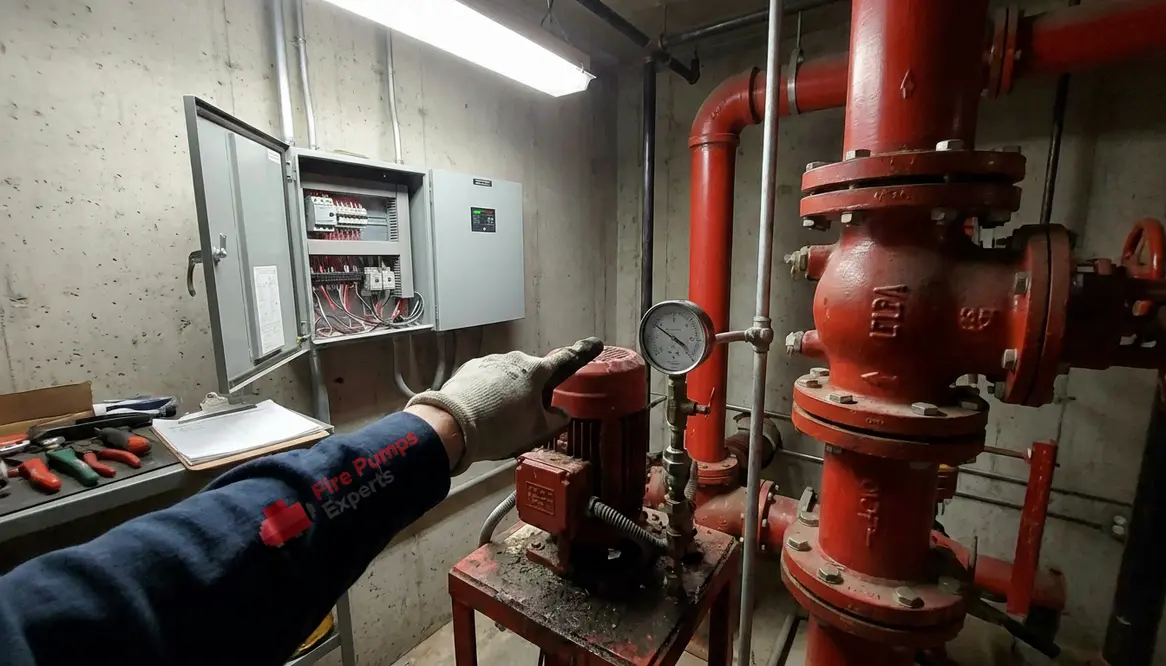
Jockey Pump Maintenance Guide for Fire Systems
I’ve spent enough time around fire protection systems to know one quiet truth: the smallest pump in the room often carries the biggest responsibility. That’s where jockey pump maintenance comes in. It keeps pressure steady, prevents unnecessary fire pump starts, and quietly does its job like the bass player in a band no one notices until things fall apart. So today, I’m walking you through how I approach it, with a calm rhythm, a sharp eye, and just enough humor to keep us both awake.
What do I actually check during jockey pump maintenance?
I like to start simple. A good inspection isn’t about rushing. It’s about noticing what others miss. First, I look at system pressure. If it drifts, even slightly, something’s off. Then, I check the pump start and stop settings. These should sit comfortably above the fire pump’s activation point. Otherwise, you’re inviting chaos. And chaos in a mechanical room is never the fun kind.
Next, I listen. Yes, listen. A healthy jockey pump hums like a well tuned engine. If it rattles, groans, or sounds like it’s auditioning for a horror movie, I dig deeper.
Then I move to visual checks:
- Leaks around seals, fittings, and valves
- Corrosion on piping and pump casing
- Pressure gauge accuracy
- Controller condition and indicator lights
After that, I test operation. I simulate a pressure drop and confirm the pump starts and stops exactly when it should. No hesitation. No drama.
Pressure stability and control settings that actually make sense
Now, here’s where many systems quietly drift into trouble. The pressure settings. They look fine on paper, but in reality, they tell a different story.
I always ensure the jockey pump cut in and cut out pressures are tight and consistent. The gap between them should be small enough to maintain stability but wide enough to prevent rapid cycling. Think of it like cruise control. You want smooth corrections, not constant braking and accelerating.
Additionally, I verify that the fire pump start pressure sits below the jockey pump cut in point. Otherwise, the main pump might start when it shouldn’t. And trust me, a fire pump kicking on unexpectedly is about as welcome as a surprise meeting that could have been an email.
Why these settings matter for real-world jockey pump maintenance
When pressure settings drift, the pump either runs too often or not enough. Both scenarios are a problem. Thoughtful jockey pump maintenance keeps that balance point steady so the entire fire protection system behaves predictably instead of acting like it has a mind of its own.
Electrical components deserve more respect than they get
Electrical checks often get rushed, and that’s a mistake. I open the controller panel and inspect connections. Loose wires? Not on my watch. Burn marks? That’s a red flag waving in slow motion.
I also test alarms and indicators. If the system can’t communicate a problem, then it’s just quietly waiting to fail. And in commercial or industrial facilities, silence is rarely a good sign.
Then comes motor performance. I check for overheating and unusual vibration. A steady motor means a steady system. If it’s struggling, I address it before it escalates.
What I always check
- Voltage consistency
- Control panel cleanliness
- Proper grounding
- Alarm functionality
What I never ignore
- Burnt smells
- Flickering indicators
- Delayed start response
- Irregular motor noise
How electrical checks support reliable jockey pump maintenance
The electrical side is where small oversights turn into expensive downtime. Thorough jockey pump maintenance always treats the controller, wiring, and alarms as core life-safety components, not background extras that only matter when something smokes.
Flow, leaks, and the small things that become big problems
Here’s the thing. A jockey pump system rarely fails in a dramatic, cinematic way. It fails quietly. Slowly. Like a subplot no one paid attention to until the final act.
I check for minor leaks across the system. Even a slow drip can cause pressure loss, forcing the pump to cycle more often than it should. Over time, that wears down components and shortens lifespan.
Additionally, I inspect check valves and isolation valves. They should move freely and seal properly. If they don’t, pressure control becomes unpredictable.
And yes, I document everything. Because memory is great, but written records are better. Especially when managing large commercial properties where consistency matters.
Leak patterns that point back to jockey pump maintenance
When I see the pump cycling more than usual, I don’t blame the controller first. I look for sneaky leaks, half-closed valves, or slowly failing gauges. Often, the fix is less about replacing hardware and more about tightening, cleaning, and correcting the subtle issues regular jockey pump maintenance is meant to catch.
How often should I perform jockey pump maintenance in large facilities?
I follow a rhythm. Weekly visual checks, monthly operational testing, and more detailed quarterly inspections. In high demand environments like industrial plants or large commercial buildings, I stay even more vigilant.
Consistency is the real hero here. Skipping checks might feel harmless in the moment, but it’s like ignoring a check engine light. Eventually, it catches up with you.
I also coordinate with broader fire protection system inspections. The jockey pump doesn’t work alone. It’s part of a bigger ecosystem, and everything needs to stay in sync.
Pairing schedule and strategy
In large facilities, jockey pump maintenance works best when it is tied directly to documented fire protection routines. The schedule on paper should match what actually happens in the mechanical room. That means written logs, clear thresholds for when to call in outside help, and a culture that treats pressure stability as non-negotiable.
FAQ: Quick answers you can actually use
What is the purpose of a jockey pump?
It maintains system pressure and prevents unnecessary fire pump activation.
How do I know if my jockey pump is failing?
Frequent cycling, unstable pressure, or unusual noise are common signs.
How often should it be tested?
Weekly visual checks and monthly functional tests are standard.
Can incorrect settings damage the system?
Yes. Poor pressure settings can cause excessive cycling or trigger the main fire pump.
Is professional servicing necessary?
Absolutely. Especially in commercial and industrial facilities where system reliability is critical.
Closing thoughts that keep systems and people safe
I’ve learned that jockey pump maintenance isn’t about ticking boxes. It’s about staying ahead of problems before they introduce themselves in the worst way possible. If you manage a commercial or industrial facility, don’t leave this to chance. Stay consistent, stay observant, and when in doubt, bring in experienced professionals who understand the stakes. Because when the system works perfectly, no one notices. And honestly, that’s exactly how it should be.
If you want deeper technical standards, pairing on-site experience with trusted resources like https://firepumps.org helps turn everyday jockey pump maintenance into a well-documented, defensible part of your safety program.