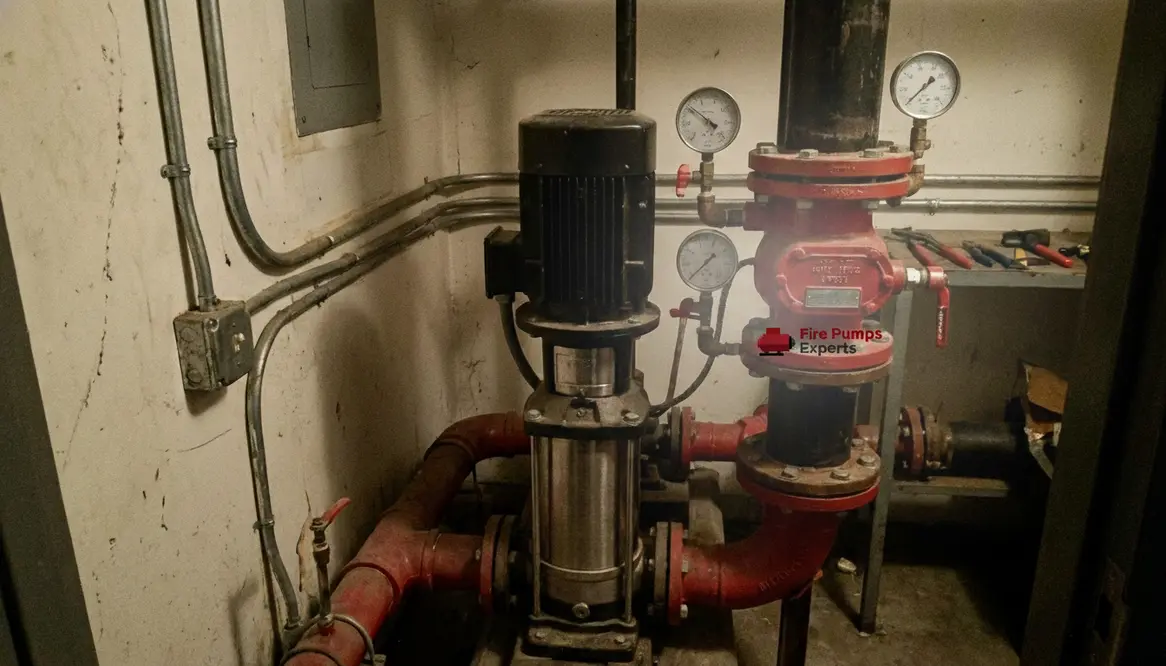
Jockey Pump Replacement Cost in Commercial Systems
I have spent enough time around fire protection systems to know one thing for sure. When a jockey pump starts acting up, people suddenly care a whole lot about the jockey pump replacement cost. And rightfully so. This small but mighty component keeps pressure stable in large commercial and industrial fire systems. Ignore it, and you risk far bigger expenses later. Think of it like ignoring a check engine light. Sure, you can keep driving, but eventually that quiet warning turns into a very loud bill.
What Drives Jockey Pump Replacement Cost in Commercial Systems
Let me get straight to it. The price is not random. Several factors push it up or keep it reasonable, and each one matters more than people expect.
First, pump size and capacity play a major role. A high rise office building or industrial facility needs more power than a small system. Naturally, bigger pumps come with higher material and installation costs.
Next, motor type and efficiency affect pricing. Energy efficient motors cost more upfront, yet they quietly save money over time. So while the initial jockey pump replacement cost might sting a little, the long term payoff softens the blow.
Then there is installation complexity. If your system is tucked into a tight mechanical room that feels like a scene from a heist movie, labor costs go up. Easy access means faster work and lower expense.
Finally, compliance requirements matter. Commercial properties must meet strict fire codes. Upgrading to meet current standards can add to the total, but skipping that step is not an option unless you enjoy fines and sleepless nights.
How Equipment Quality Shapes Long Term Value
Why “cheap” often becomes expensive
Now, I know the temptation. Go cheaper, save money, call it a day. But in fire protection, that approach rarely ends well.
High quality pumps last longer and perform better under pressure. Literally. Lower tier equipment may reduce upfront cost, yet it often leads to more maintenance, more downtime, and more stress. And nobody wants their fire system acting like it needs a coffee break during an emergency.
Warranty, support, and long term value
Additionally, premium brands often come with better warranties and support. That means fewer surprises later. So while the replacement price may be higher at first, the overall value tends to be stronger over time.
Comparing Cost Factors Side by Side
Higher cost drivers
- Larger pump capacity
- Advanced motor efficiency
- Complex installation spaces
- Strict compliance upgrades
- Premium brand equipment
Cost stabilizers
- Standard sized systems
- Accessible mechanical rooms
- Minimal code adjustments
- Routine maintenance history
- Experienced installation teams
Can I Reduce Replacement Costs Without Cutting Corners?
Staying ahead of failures
Yes, and this is where strategy comes into play. First, schedule regular inspections. A well maintained system avoids surprise failures, which are almost always more expensive.
Second, plan replacements before total failure. Emergency work tends to cost more because it demands immediate labor and expedited parts. It is the difference between booking a flight early and buying one at the gate. One feels smart. The other feels painful.
Choosing the right expertise
Also, work with specialists who focus on large scale systems. Experienced contractors streamline installation and avoid costly mistakes. I often recommend reviewing resources like commercial fire pump system experts to better understand system requirements before making decisions.
Thinking in lifecycle terms
Finally, consider lifecycle costs instead of just upfront numbers. A slightly higher initial jockey pump replacement cost can reduce maintenance and energy expenses over time, making the total ownership picture look much better.
Signs It Is Time to Replace Your Jockey Pump
Operational warning signs
Waiting too long can turn a manageable project into a full blown system issue. So I always keep an eye out for a few key warning signs.
If the pump cycles too frequently, that usually means it is struggling to maintain pressure. If you hear unusual noise, think of it as the pump clearing its throat in protest. And if repairs become frequent, you are likely spending more on fixes than a replacement would cost.
Compliance and risk considerations
Additionally, outdated equipment may no longer meet current fire codes. In commercial buildings, that is not just inconvenient. It is a liability that can make the actual jockey pump replacement cost feel small compared to potential penalties and risk exposure.
Labor and Installation Realities in Large Facilities
Labor deserves its own spotlight because it often surprises people. In large commercial or industrial properties, installation is not a simple swap.
Crews must coordinate with existing fire systems, electrical setups, and control panels. Sometimes, temporary shutdowns must be carefully planned to avoid disrupting operations. That level of coordination adds time and cost.
However, efficient teams minimize downtime and keep everything compliant. In my experience, investing in skilled labor saves money in the long run. It is the difference between a smooth operation and a drawn out headache, and it often shapes the true jockey pump replacement cost more than people expect.
FAQ: Quick Answers About Jockey Pump Replacement
Final Thoughts and Next Steps
When I look at the bigger picture, the jockey pump replacement cost is not just a number. It is an investment in safety, compliance, and peace of mind. If your system shows signs of wear or inefficiency, now is the time to act. Connect with experienced professionals, evaluate your system, and make a plan that protects your property and your people. Because when it comes to fire protection, cutting corners is never part of a good story.