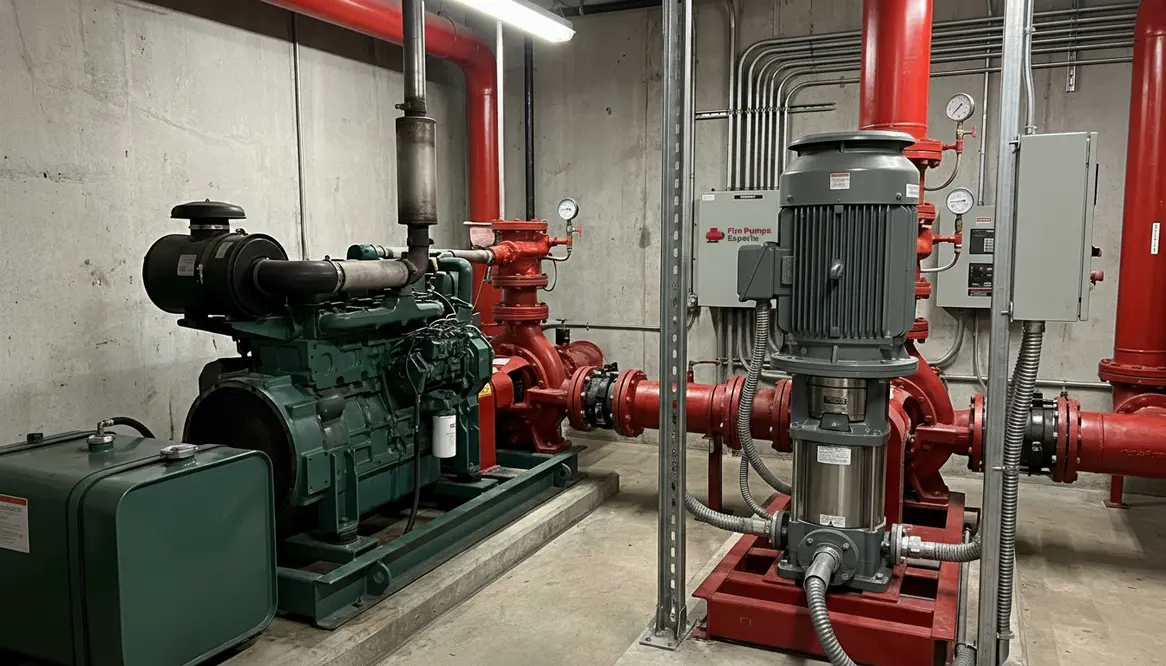
Diesel Fire Pump vs Electric Fire Pump Guide
How your building fights back when everything is on the line starts with one choice: diesel or electric. Let’s set the stage clearly before getting into the details.
I have spent enough time around fire protection systems to know one thing for certain. When people ask about diesel fire pump vs electric fire pump, they are not just comparing machines. They are choosing how a building fights back when everything is on the line. And yes, it is not as dramatic as a Hollywood explosion scene, but in the world of commercial and industrial facilities, this decision carries real weight. So let me walk you through it in a way that is clear, grounded, and maybe just a little entertaining.
Because frankly, if we cannot enjoy talking about fire pumps at least a little, what are we even doing here?
Why This Decision Matters
When sprinklers are supposed to activate and water is not moving, it is not just a technical problem. It is a business continuity problem, a safety problem, and sometimes a reputation problem. The diesel fire pump vs electric fire pump choice shapes how your entire protection strategy performs under pressure.
Understanding the Core Difference Between Diesel and Electric Fire Pumps
At the heart of it, the difference comes down to power sources. Electric fire pumps rely on a stable electrical supply. Diesel fire pumps run on fuel and operate independently of the grid. Simple, right? Well, yes and no.
Electric pumps offer clean operation and immediate startup. However, they depend entirely on the reliability of the building’s power infrastructure. On the other hand, diesel pumps bring independence. They do not care if the grid goes down. They will keep running as long as fuel is available.
How Context Changes the Answer
In large commercial buildings or industrial plants, power failure is not just possible. It is expected during emergencies. That is why many decision makers lean toward diesel systems. Still, electric pumps shine in facilities with highly reliable backup power systems.
So already, the comparison of diesel fire pump vs electric fire pump starts to feel less like a competition and more like choosing the right tool for the job.
When Should I Choose a Diesel Fire Pump for My Facility?
If you are asking this question, you are already thinking like someone responsible for a serious property. Good.
Diesel fire pumps work best in environments where power reliability is uncertain or where regulations demand a fully independent system. For example, large warehouses, manufacturing plants, and high risk industrial operations often favor diesel.
Additionally, diesel systems provide peace of mind. They start even when everything else fails. That reliability can feel a bit like having a backup generator that never complains.
The Tradeoffs You Actually Feel
However, diesel pumps require more maintenance. Fuel needs monitoring. Engines need testing. And yes, they can be noisy. Not quite rock concert loud, but definitely not library quiet either.
Still, when I walk through facilities that cannot afford failure, diesel is often standing there like a calm bodyguard. Not flashy, just dependable.
Electric Fire Pumps in Modern Commercial Buildings
Electric fire pumps fit beautifully into facilities with strong infrastructure. Think high rise office buildings, hospitals, and data centers where backup generators already exist and are tested regularly.
They are efficient, easier to maintain, and generally quieter. In fact, if diesel is the rugged pickup truck, electric is the sleek sedan that starts every morning without complaint.
But here is the catch. Electric pumps depend on power continuity. Even with backup generators, there is always a small window of vulnerability during transitions. For some facilities, that risk is acceptable. For others, it is not.
Designing Around Electric Systems
This is why many engineers consult resources like fire pump system design standards from trusted authorities such as https://firepumps.org when planning systems for major buildings.
In these environments, the diesel fire pump vs electric fire pump discussion is often about integration with existing electrical infrastructure more than raw toughness.
Side by Side Comparison for Quick Clarity
Electric Fire Pump
- Powered by electricity
- Lower maintenance needs
- Quiet operation
- Dependent on power systems
- Ideal for stable infrastructure
Diesel Fire Pump
- Powered by diesel fuel
- Higher maintenance requirements
- Operates independently
- Reliable during outages
- Ideal for high risk or remote facilities
Seeing it laid out like this helps cut through the noise. And yes, pun intended.
Operational Costs and Long Term Value
How Budgets Feel the Difference
Now let us talk money, because eventually every conversation does.
Electric pumps usually cost less to operate over time. Electricity is often cheaper than diesel fuel, and maintenance is simpler. However, installation can be more complex if backup power systems need upgrades.
Diesel pumps, on the other hand, come with higher operational costs. Fuel, testing, and maintenance add up. Yet, they provide unmatched reliability in critical scenarios.
Cost Versus Consequence
So the real question is not just cost. It is value. What is the cost of failure in your facility? In large scale industrial operations, downtime or damage can easily outweigh the higher cost of a diesel system.
This is where the diesel fire pump vs electric fire pump debate becomes less about preference and more about risk tolerance.
Compliance, Codes, and What Inspectors Expect
Codes and regulations play a major role in this decision. In many jurisdictions, authorities require diesel pumps or redundant systems for certain types of buildings.
What Inspectors Really Look For
Inspectors look for reliability, testing records, and system readiness. They are not impressed by good intentions. They want proof.
Electric systems must demonstrate dependable backup power. Diesel systems must show proper fuel management and regular testing.
In other words, both options can pass inspection. But only if they are installed and maintained correctly. No shortcuts. No clever workarounds. This is not the place for improvisation.
For many teams, revisiting the diesel fire pump vs electric fire pump choice starts when a new code cycle lands on their desk and they realize their current setup does not fully align with updated expectations.
FAQ: Quick Answers You Can Use Right Away
Final Thoughts and Choosing the Right System
Choosing between these systems is not about picking a winner. It is about matching the system to your facility’s reality. If your operation demands independence and resilience, diesel steps up. If your infrastructure guarantees power stability, electric delivers efficiency and simplicity.
Take a hard look at your risks, your building, and your long term goals. Then make the call with confidence. And if you are still unsure, it might be time to consult experts who deal with this every day. The right decision today can protect everything tomorrow, especially when the diesel fire pump vs electric fire pump discussion is handled with clear eyes and honest priorities.