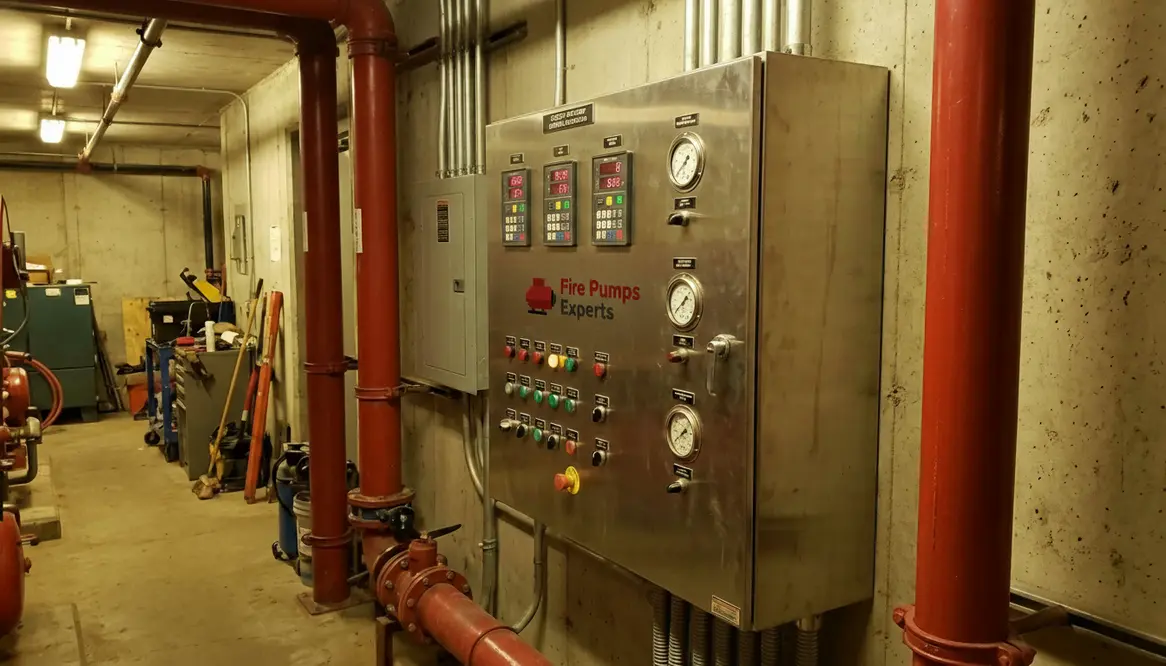
Electric Fire Pump Controller Guide for Buildings
I have spent enough time around commercial buildings to know one thing for certain. When a fire starts, nobody wants to wonder if the system will work. They want certainty. That is where our electric fire pump controller steps in, quietly waiting, like a night guard who never sleeps. It does not panic. It does not hesitate. It simply does its job.
And while it may not wear a cape, it is the closest thing your fire protection system has to a superhero. Think Batman, but instead of Gotham, it protects high rise towers, manufacturing plants, and sprawling industrial complexes. Let me walk you through how it works, why it matters, and why ignoring it is about as wise as skipping leg day forever.
What does an electric fire pump controller actually do
I like to keep things simple. An electric pump controller is the brain behind your fire pump. When pressure drops in the system, it senses trouble and immediately starts the pump. No debate. No delay. Just action.
More importantly, it keeps the pump running once it starts. That is critical. In a fire event, stopping too soon is not just inconvenient, it is dangerous.
Core responsibilities behind the scenes
- Monitors system pressure constantly
- Starts the pump when pressure falls below a set level
- Maintains pump operation during fire conditions
- Protects the motor from electrical faults
Now, while that sounds straightforward, the execution is anything but basic. These systems are built for reliability under stress, which is more than I can say for most of us before coffee.
How an electric fire pump controller works inside a commercial building
In large facilities, fire protection systems operate like a carefully choreographed dance. Sprinklers, valves, alarms, and pumps all play their part. The controller acts as the conductor, ensuring everyone comes in at the right moment.
When a sprinkler head activates, pressure drops. Immediately, the controller detects that change. Then, it signals the motor to start the fire pump. Water begins to move at high pressure, feeding the system and containing the fire.
Meanwhile, the controller keeps monitoring everything. Voltage. Current. System status. If something goes off script, it reacts in real time.
And yes, it does all of this without asking for applause. A bit like the IT department during a cyberattack.
Choosing the right electric fire pump controller for large facilities
Not all controllers are created equal. In fact, choosing the wrong one is like putting a compact car engine in a freight train. Technically possible, but not exactly reassuring.
For commercial and industrial properties, I always focus on three things. First, compliance with fire safety standards. Second, durability under heavy demand. Third, integration with existing building systems.
Key features to look for
- Advanced pressure sensing
- Reliable motor starters
- Clear status indicators
- Remote monitoring capability
Why it matters
- Ensures fast response times
- Reduces system failure risk
- Simplifies maintenance checks
- Supports large scale operations
Additionally, I always recommend working with trusted resources like commercial fire pump system experts who understand the demands of large properties. Because in this world, guesswork is not a strategy.
Common mistakes I see with fire pump control systems
I have seen some things. And while I will not name names, let us just say a few decisions have made me question humanity.
One major mistake is neglecting regular testing. A controller might sit quietly for years, but that does not mean it is ready. Systems must be exercised and verified.
Another issue is improper installation. Even the best equipment can fail if it is not set up correctly. Alignment, wiring, and calibration all matter.
Finally, some facilities underestimate the importance of upgrades. Technology evolves. Older controllers may lack features that improve safety and reliability.
In other words, treating your system like an old flip phone in a smartphone world is not a great long term plan.
Why modern electric fire pump controllers improve safety and efficiency
Today’s controllers are smarter, faster, and more connected. They offer real time diagnostics, remote alerts, and better control over system performance.
Because of this, facility managers can respond to issues before they become emergencies. That is a game changer in large scale operations.
Moreover, modern designs reduce wear on components. They optimize motor starts and minimize unnecessary strain. Over time, that translates into lower maintenance costs and longer system life.
And let us be honest, anything that saves money while improving safety is worth paying attention to. Even your finance team will agree, and they rarely agree on anything.
Electric fire pump controller basics: quick answers
The electric fire pump controller is the link between your fire protection system and the power that drives it. When pressure drops due to fire conditions, it reacts instantly, starting the pump and keeping water moving where it is needed most.
Final thoughts and next steps
If there is one thing I have learned, it is this. Fire protection is not the place to cut corners or cross your fingers and hope for the best. The right system, backed by a dependable electric fire pump controller, makes all the difference when seconds matter. If you are managing a commercial or industrial property, now is the time to evaluate your setup, upgrade where needed, and work with experts who take safety as seriously as you do. Because when it counts, everything should just work.