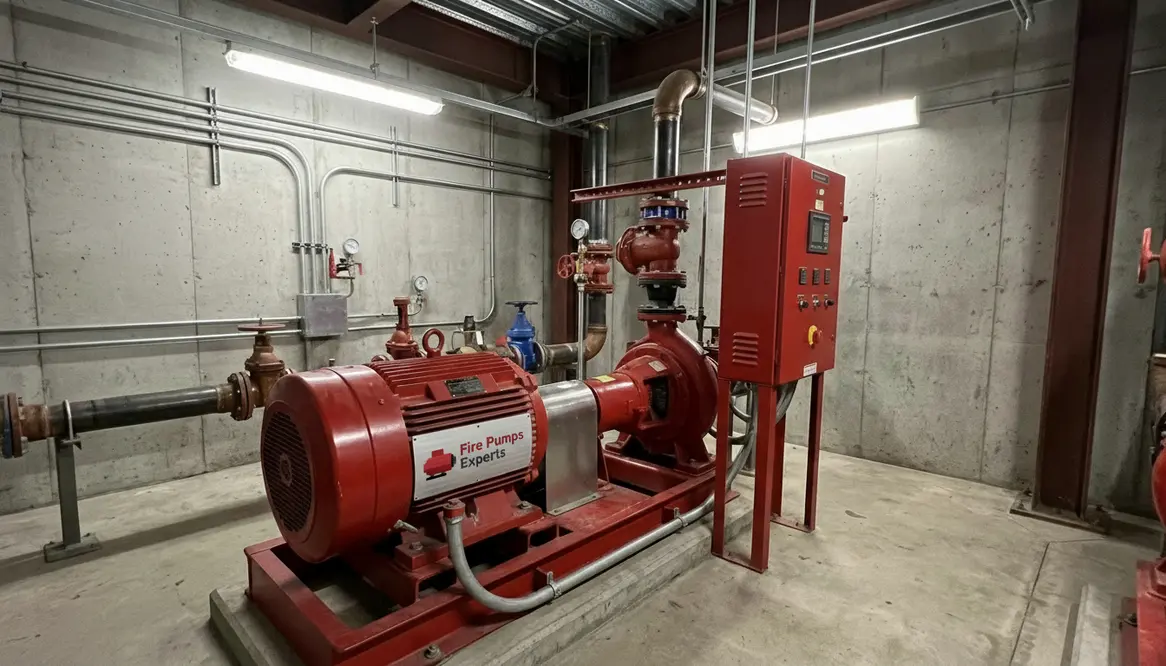
Electric Fire Pump Systems for Commercial Safety
A focused look at the quiet machinery that makes commercial fire protection actually work when it counts.
I have always found that the quiet heroes of a building rarely get the spotlight. Everyone notices the alarms, the flashing lights, the dramatic exits. But behind the scenes, steady and reliable, sits the electric fire pump. It does not ask for applause. It just waits for the moment it is needed most. And when that moment arrives, it delivers water with the kind of precision that would make even a superhero nod in approval.
In large commercial and industrial facilities, this system is not just helpful. It is essential. So let me walk you through what it is, how it works, and why it matters more than most people realize.
What Is an Electric Fire Pump
An electric fire pump is a machine designed to increase water pressure in a fire protection system. In simple terms, it ensures that water flows fast and strong enough to control or extinguish a fire.
Now, you might be thinking, “Isn’t water pressure already a thing?” Sure. But in large buildings like warehouses, factories, or high rise properties, standard pressure often falls short. That is where this system steps in, like the reliable sidekick who quietly saves the day.
It connects to a building’s sprinkler or standpipe system. When pressure drops, usually because a sprinkler head activates, the pump automatically starts. No drama. No hesitation. Just action.
How does an electric fire pump actually work in real buildings
Let me paint the picture. A fire breaks out in a manufacturing facility. Heat triggers the sprinklers. Water begins to flow, and pressure drops instantly. That drop is the signal.
At that moment, the pump controller kicks in and starts the motor. The pump then pulls water from a reliable source such as a tank or municipal supply and boosts it through the system.
As a result, water reaches every corner of the building at the right pressure. Not too weak. Not too aggressive. Just right. Goldilocks would be proud.
What makes this system especially valuable is its consistency. Unlike diesel driven alternatives, it does not rely on fuel storage or combustion. It runs clean, steady, and with fewer moving parts. Therefore, maintenance tends to be more predictable.
Key components that make the system reliable
I like to think of this setup as a small orchestra. Each part has a role, and when they work together, the result is flawless.
Main elements
- Pump unit that moves the water
- Electric motor that powers the system
- Controller that monitors pressure and starts the pump
- Jockey pump that maintains baseline pressure
Support systems
- Water supply connection or storage tank
- Valves that control flow direction
- Pressure sensors for automatic activation
- Backup power source for reliability
Each component plays its part. If one fails, the entire performance suffers. That is why professional design and installation matter so much in commercial environments.
Why commercial and industrial facilities depend on these systems
Large properties do not get second chances with fire safety. Whether it is a distribution center filled with inventory or a manufacturing plant with expensive equipment, the stakes are high.
Because of this, building codes and insurance requirements often mandate a fire pump system. But beyond compliance, there is peace of mind. Knowing that water will reach the farthest corner of your facility at the right pressure is not just reassuring. It is critical.
Additionally, electric driven systems integrate well with modern building infrastructure. They are quieter, cleaner, and easier to monitor. So while they may not be flashy, they are incredibly dependable. Think of them as the narrator of your safety system. Calm, steady, and always in control.
For those managing large scale properties, working with trusted experts like commercial fire pump system specialists ensures proper selection, installation, and long term performance.
Installation insights and long term performance
Installing one of these systems is not a casual weekend project. It requires careful planning, precise calculations, and strict adherence to codes.
First, engineers determine the required flow and pressure based on the building’s size and risk level. Then, they select a pump that meets those demands without overloading the system.
After installation, regular testing becomes essential. Weekly or monthly checks confirm that the system starts correctly and maintains pressure. Over time, this routine keeps surprises to a minimum.
And let me be clear. Skipping maintenance is like ignoring the oil light in your car. It might work for a while, but eventually, things will get expensive and dramatic.
FAQ about electric fire pump systems
Below are some of the most common questions that come up when people start looking seriously at adding or upgrading an electric fire pump in a commercial setting.
Final thoughts and next steps
When I look at a well designed fire protection system, I see more than machinery. I see preparation, foresight, and responsibility. The electric fire pump sits at the center of that effort, ready to act without hesitation. If you manage a large facility, now is the time to evaluate your system, partner with experts, and ensure everything runs as it should. Because when it comes to fire safety, quiet reliability is the real hero.