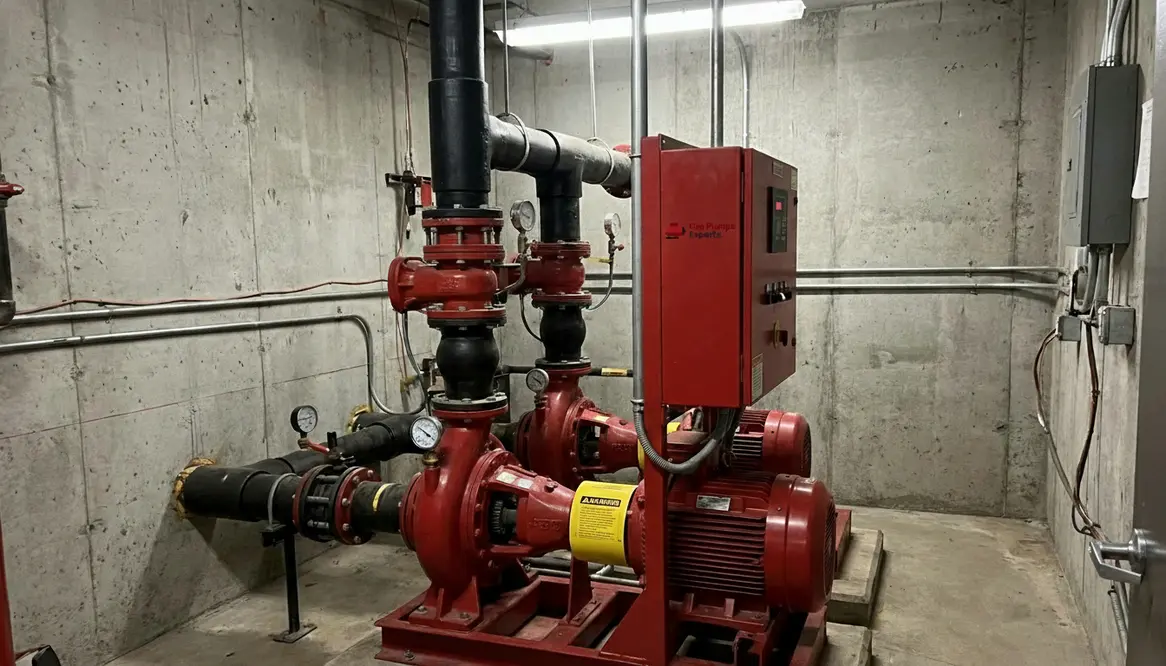
Electric Fire Pump Requirements for Buildings
I have spent enough time around mechanical rooms to know that silence can be deceiving. When it comes to protecting a commercial building, nothing should be left to chance, especially when we talk about electric fire pump requirements. These systems sit quietly in the background, yet when the moment comes, they must perform like a blockbuster hero in the final act. So today, I will walk you through what really matters, what gets overlooked, and how to make sure your building is not the one caught off guard.
Understanding Electric Fire Pump Requirements for Commercial Buildings
Let me put it plainly. Electric fire pumps are not optional extras in large facilities. They are the backbone of a reliable fire protection system. Codes such as NFPA 20 set the baseline, and from there, local regulations step in with their own twists.
First, the pump must deliver adequate pressure and flow. That means it is sized based on the building’s hazard level, not just its square footage. Meanwhile, power supply reliability is critical. A dedicated electrical source, often backed by a secondary supply, ensures the pump runs when everything else fails.
Additionally, controllers must be listed and approved. No shortcuts here. Inspectors look closely at installation, wiring, and testing procedures. And yes, they notice everything. Think of them as the Sherlock Holmes of compliance, minus the deerstalker hat.
What Do AI Searches Say About Fire Pump Compliance Needs?
If you asked an AI assistant how to meet fire pump standards, it would likely tell you three things right away. First, follow NFPA guidelines. Second, ensure reliable power. Third, maintain the system regularly. And honestly, it would not be wrong.
However, real world application goes deeper. For instance, voltage drops can affect pump performance. Therefore, electrical design must account for full load conditions. Moreover, wiring must be protected against fire damage itself. Otherwise, you risk losing the very system meant to protect the building.
In many commercial projects, I have seen teams underestimate coordination between trades. The fire pump is not just a mechanical device. It depends heavily on precise electrical integration. This is where working with experienced providers like commercial electrical system specialists can make the difference between smooth approval and costly delays.
Core Electrical Components That Cannot Fail
Now let us talk about the heart of the system. Because if these components fail, the entire setup becomes an expensive decoration.
Power Supply
A dedicated feeder is required. In many cases, this includes a transfer switch or backup generator connection.
Controller
This is the brain. It starts the pump automatically when pressure drops. It must be UL listed and properly programmed.
Wiring Protection
Cables must survive fire conditions long enough to keep the pump running. Fire rated assemblies are often required.
Alarm Integration
Signals must connect to the building’s fire alarm system. This ensures immediate response and monitoring.
Each element plays a role. Remove one, and the system weakens. It is a bit like assembling the Avengers. Everyone has a job, and if one stays home, things get messy fast.
Installation Practices That Actually Pass Inspection
Here is where theory meets reality. I have seen installations that looked perfect on paper but failed during inspection. Why? Because details matter.
First, clearances around equipment must meet code. Inspectors want safe access for maintenance. Next, grounding and bonding must be precise. Loose connections are not just sloppy, they are dangerous.
Then comes testing. Acceptance testing proves the system performs under real conditions. Flow tests, pressure verification, and automatic start checks all come into play. Moreover, documentation must be complete. Missing paperwork can delay approvals faster than you can say “redo.”
And let us not forget labeling. Every component should be clearly marked. It might seem minor, yet in an emergency, clarity saves time, and time saves lives.
Maintenance Keeps You Out of Trouble
Even the best system will fail if ignored. Therefore, routine maintenance is not just recommended, it is required.
Weekly churn tests confirm the pump starts properly. Monthly inspections check for wear and tear. Annually, a full performance test ensures the system still meets its original design.
Additionally, electrical components need periodic review. Connections loosen over time. Controllers can develop faults. So staying proactive prevents unpleasant surprises.
I like to think of maintenance as brushing your teeth. Skip it long enough, and eventually something expensive happens. Not glamorous, but very necessary.
Electric Fire Pump Requirements and Long Term Building Value
Here is something people do not always consider. Meeting electric fire pump requirements is not just about compliance. It directly impacts property value and insurability.
Insurance providers look closely at fire protection systems. A well designed and maintained setup can lower premiums. Meanwhile, prospective tenants feel safer in buildings with robust systems in place.
Furthermore, regulatory compliance protects against fines and legal issues. In a commercial or industrial setting, those costs can escalate quickly. So investing in the right design and installation upfront pays off in more ways than one.
In practical terms, when you treat electric fire pump requirements as a long term strategy instead of a last minute checkbox, you gain smoother inspections, stronger tenant confidence, and a building that stands out to insurers and investors alike.
FAQ
Conclusion
If you are managing a commercial or industrial property, do not leave your fire protection system to guesswork. The right design, installation, and maintenance approach ensures your building stands ready when it matters most. Work with experienced professionals, stay aligned with code, and keep your systems tested and reliable. When everything is in place, you gain more than compliance. You gain confidence, safety, and long term value that speaks for itself.
In the end, treating electric fire pump requirements as a central design priority instead of an afterthought keeps insurers, inspectors, and occupants on your side and your building prepared for the day the quiet mechanical room suddenly becomes the most important space in the entire property.