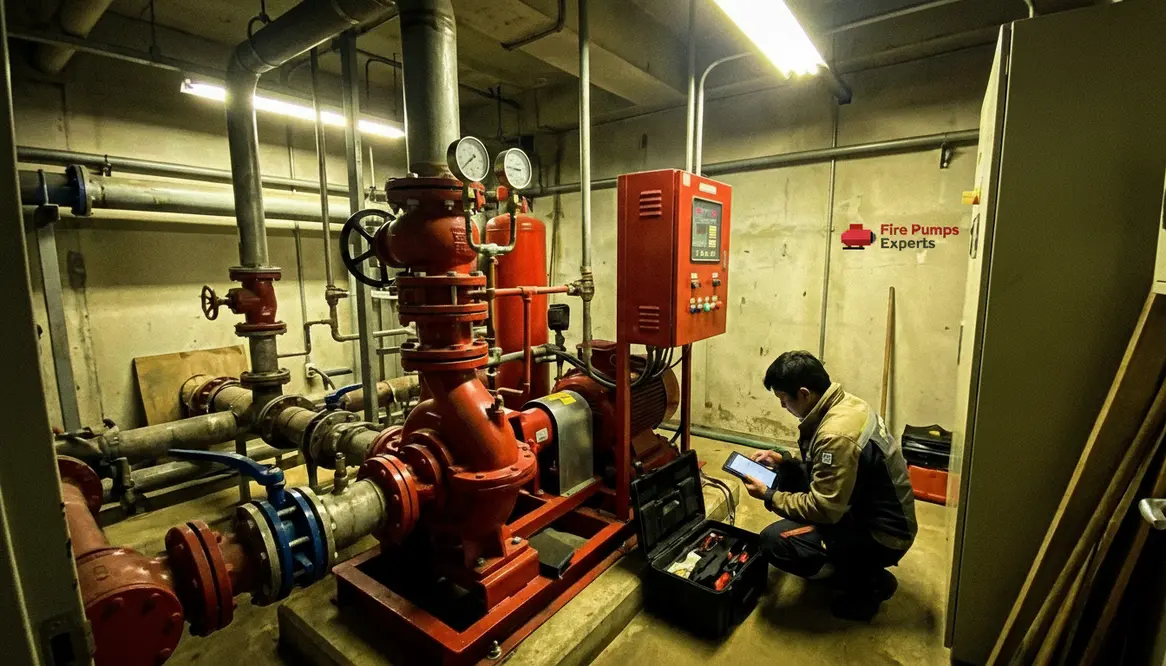
Fire Pump System Maintenance for Reliable Safety
I have always believed that a well maintained system tells a quiet story. It hums instead of groans. It responds instead of hesitates. And when it comes to fire pump system maintenance, that quiet reliability can mean the difference between a controlled incident and a headline nobody wants to read. In large commercial and industrial facilities, I do not treat maintenance like a checklist chore. I treat it like a long term investment in safety, uptime, and peace of mind. So let me walk you through how I keep these systems ready, steady, and just a little bit heroic.
What does fire pump system maintenance actually involve
At its core, it is about consistency. I inspect, test, and verify that every component works together without hesitation. However, this is not just flipping switches and calling it a day. I check controllers, valves, pressure levels, and power sources while watching for subtle signs of wear.
Additionally, I pay attention to alignment and lubrication because even the strongest pump can fail if neglected. Think of it like a blockbuster movie. You may come for the star, but if the supporting cast falls apart, the whole thing flops.
Moreover, I always follow standards set by trusted organizations like authoritative fire pump standards and best practices, ensuring every inspection meets expectations for commercial scale operations.
My step by step routine for reliable system performance
I like structure. Not the rigid kind that stifles creativity, but the kind that keeps things from going sideways at 2 AM.
Weekly focus
- I run churn tests to confirm automatic startup
- I observe pressure readings and listen for odd sounds
- I verify controller signals and alarms
Monthly focus
- I conduct flow tests where applicable
- I inspect fuel levels and battery strength
- I check valve positions and system integrity
Then, on a quarterly and annual basis, I go deeper. I test full load conditions and evaluate long term wear. As a result, I catch problems before they introduce themselves in the worst possible way.
Common issues I catch before they become disasters
Now here is where things get interesting. Systems rarely fail out of nowhere. They leave clues. I just make sure I am paying attention.
For instance, I often find:
- Air pockets that quietly disrupt pressure consistency
- Battery failures that wait for the worst timing imaginable
- Controller faults that seem minor until they are not
Meanwhile, small leaks or corrosion can slowly weaken performance. It is a bit like ignoring a squeaky door in a horror movie. You know something is coming, and yet there it is, squeaking louder every time.
Because I stay proactive, my approach to fire pump upkeep avoids sudden failures and extends equipment life.
Why consistency beats heroics in system care
I have seen people try to fix everything at once after months of neglect. It is dramatic, sure, but not effective. Instead, I rely on routine fire suppression pump servicing to keep things predictable.
Furthermore, consistent documentation helps me track patterns. If pressure dips slightly over time, I catch it early. If a component shows repeated wear, I replace it before it escalates.
Consequently, this steady approach saves money and avoids downtime. And in commercial environments, downtime is not just inconvenient. It is expensive.
How I align maintenance with large facility demands
In major buildings, scale changes everything. I cannot treat a high rise or industrial plant like a small system. Therefore, I coordinate maintenance schedules with operations to minimize disruption.
Additionally, I ensure redundancy checks are part of the plan. Backup power, secondary pumps, and control systems all need verification. It is not overkill. It is smart planning.
At the same time, I train on site teams to recognize early warning signs. Because even the best maintenance plan benefits from extra eyes and ears.
Fire pump system maintenance that stands the test of time
Over the years, I have learned that good maintenance feels almost invisible. There are no surprises, no frantic calls, no last minute scrambling. Instead, there is quiet confidence.
So I focus on precision, routine, and adaptability. I adjust for system age, usage demands, and environmental factors. And yes, sometimes I talk to the equipment like it is part of the team. It does not answer back yet, but I remain optimistic.
FAQ
Keep your system ready before it is ever needed
I do not wait for alarms to remind me what matters. With consistent fire pump system maintenance, I stay ahead of risk and protect what matters most inside every commercial and industrial space. If you are responsible for a large facility, now is the time to act. Build a plan, follow it closely, and trust in a system that performs when it counts. Because when the moment comes, hesitation is not an option.