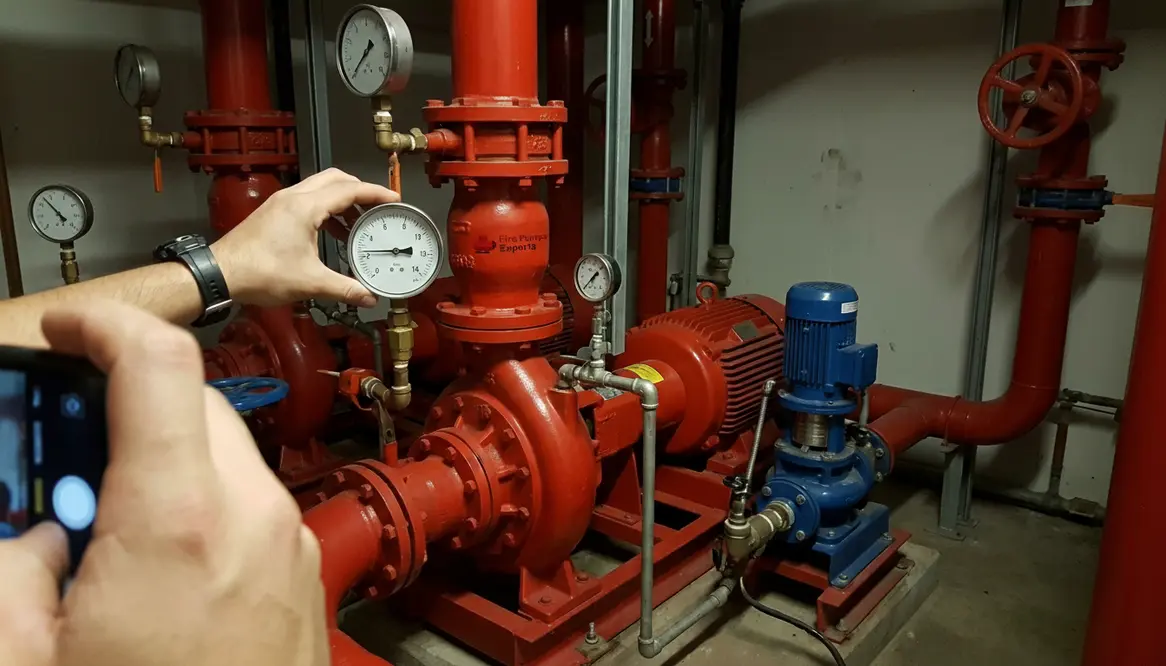
Fire Pump System Not Holding Pressure Causes and Fixes
I have seen a lot of things in mechanical rooms. Some impressive. Some questionable. And then there is the classic case of a fire pump system not holding pressure. That one tends to show up like an uninvited guest right when everything else seems fine. One minute your system is quiet and steady, the next it is cycling like it just had three cups of coffee.
Now, in large commercial and industrial buildings, pressure stability is not just a nice feature. It is the backbone of fire protection. So when it slips, I pay attention. And today, I will walk you through exactly what is happening, why it matters, and how to fix it without turning your pump room into a guessing game.
What causes a fire pump system not holding pressure in large buildings?
Let me get straight to it. When I see pressure dropping, I start thinking about leaks, faulty components, or control issues. However, the real trick is knowing where to look first.
Most often, the issue comes down to one of these:
1. Hidden leaks in the system
Even a small leak in a large facility can cause pressure loss over time. Therefore, your pump keeps kicking on to compensate. It is like trying to fill a bathtub with the drain slightly open. You will get there eventually, but it will not be pretty.
2. Faulty jockey pump operation
The jockey pump is supposed to maintain pressure quietly in the background. However, when it fails or is poorly calibrated, the main fire pump starts doing all the work. And trust me, that is not its job.
3. Pressure relief valve issues
Sometimes the system is not losing pressure randomly. Instead, it is being released intentionally due to a valve that is stuck or misadjusted.
4. Air trapped in the system
Air pockets behave like that one coworker who disappears during important tasks. They disrupt flow and create unstable pressure readings.
Because of these factors, the system begins to cycle. And once that starts, wear and tear follows quickly.
How I diagnose pressure loss without wasting time
I do not believe in guessing. I believe in patterns. So when I walk into a facility with a fire pump system not holding pressure or a fire suppression system losing pressure, I follow a sequence.
First, I check the pressure logs. Then I listen. Yes, actually listen. Pumps tell stories if you give them a second. If the jockey pump is running too often, that is a clue. If the main pump is starting unexpectedly, that is another.
Next, I isolate sections of the system. This step helps me determine whether the issue is localized or system wide. Meanwhile, I inspect valves and fittings because even a minor drip can cause major headaches over time.
And finally, I test the controls. Because sometimes the system is fine, but the brain behind it is making poor decisions. Kind of like letting your cousin run IT.
Fire pump system not holding pressure and the hidden risks you cannot ignore
Now here is where things get serious. A pressure issue is not just annoying. It is risky.
In large commercial properties, inconsistent pressure can delay water delivery during a fire event. And seconds matter. Additionally, constant cycling wears down your equipment faster than expected, leading to costly repairs.
Moreover, regulatory compliance becomes a concern. Inspectors do not care if your system almost works. It either meets standards or it does not.
That is why I always recommend reviewing guidance from trusted industry resources like commercial fire pump system standards and best practices. Because staying compliant is not optional. It is the baseline.
Key components I always inspect first
Mechanical side
Pump seals
Worn seals often allow small leaks that go unnoticed.
Check valves
If they fail, water flows backward and pressure drops.
Piping integrity
Corrosion or loose fittings create slow pressure loss.
Control side
Pressure sensors
Bad readings lead to unnecessary pump starts.
Controller settings
Incorrect thresholds can cause constant cycling.
Jockey pump calibration
If it is off, the main pump works overtime.
By reviewing both sides together, I avoid tunnel vision. Because focusing on just one area is like blaming the steering wheel when the engine fails.
How I fix and stabilize the system long term
Quick fixes are tempting. However, I prefer solutions that last.
First, I eliminate leaks completely. Not reduce. Not manage. Eliminate. Then I recalibrate the jockey pump so it maintains pressure within a tight range.
After that, I fine tune the controller settings. This step ensures the main pump only activates when truly needed. Meanwhile, I bleed air from the system to restore consistent flow.
Finally, I implement a testing schedule. Because even the best systems drift over time. Regular testing keeps everything aligned and predictable.
And yes, this part is not glamorous. But neither is explaining to a building owner why their system failed during an inspection.
FAQ: Quick answers you actually need
Final thoughts and what I recommend next
If you are dealing with a fire pump system not holding pressure, do not wait for it to fix itself. It will not. Instead, take control early, inspect thoroughly, and correct the root cause. When you act quickly, you protect your equipment, your compliance, and most importantly, the people inside your building. If you are unsure where to begin, bring in a qualified commercial fire protection specialist and get ahead of the problem before it escalates.