Fire Pump System Pressure Problems Causes and Fixes
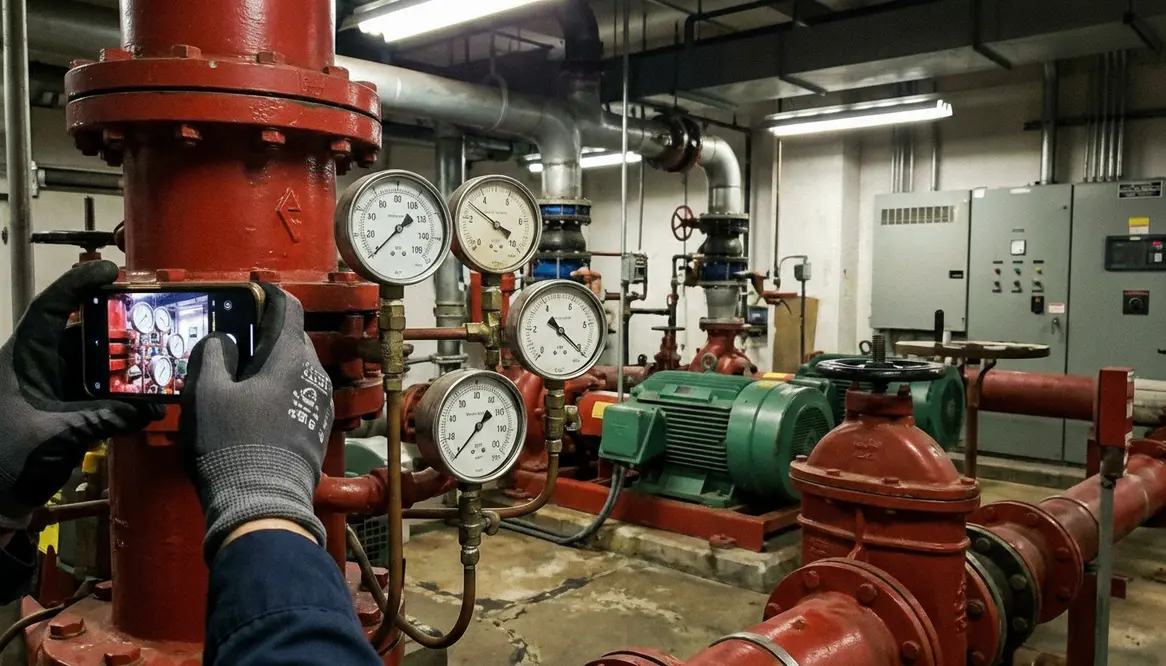
I have spent years around commercial pump rooms that hum like a quiet engine of safety. And when something goes off, it rarely shouts. It whispers. That is where fire pump system pressure problems begin. Subtle drops, unexpected spikes, or pressure that just refuses to behave. In large facilities and industrial buildings, these issues are not just technical quirks. They are risks waiting for the wrong moment. So let me walk you through what is really happening behind those gauges, with a calm voice and a sharp eye, and yes, maybe a joke or two to keep us awake.
Understanding Fire Pump System Pressure Problems in Real Buildings
First, I want to ground this in reality. Pressure issues do not happen in isolation. They reflect the entire system’s health. When I see unstable pressure, I immediately think about flow demand, pump performance, and control settings.
In high rise properties or industrial complexes, the system must maintain a precise balance. Too little pressure and water cannot reach upper floors. Too much, and you risk damaging pipes or triggering false alarms. It is a bit like Goldilocks, except instead of porridge, we are dealing with thousands of gallons of water and a whole lot of liability.
Moreover, these systems are designed to react instantly. So when pressure behaves unpredictably, it usually signals deeper mechanical or hydraulic inefficiencies.
Why Is My Fire Pump Losing Pressure?
I get this question a lot, and I answer it the same way every time. Pressure loss is never random. There is always a cause, and it usually falls into a few clear categories.
First, I check for suction issues. If the water supply is restricted, the pump cannot maintain output. Then I look at leaks. Even small ones can cause significant pressure drops over time. Next, I evaluate the pump itself. Worn impellers or motor issues often reduce performance.
However, I also consider control valves. If they are partially closed or malfunctioning, they quietly choke the system. And let us not forget air pockets. They are like that one coworker who does nothing but still manages to slow everything down.
So while the symptom is pressure loss, the root cause usually sits upstream or inside the pump assembly.
Key Signs of Fire Pump System Pressure Problems
I always tell facility managers to trust what they see and hear. Systems rarely fail without warning.
Signals that should never be ignored
- Unstable gauge readings that fluctuate without demand changes
- Frequent pump cycling which suggests pressure cannot stabilize
- Delayed system response when water demand increases
- Unusual vibration or noise from the pump assembly
Additionally, if your system feels unpredictable, it probably is. And unpredictability is not something you want in a fire protection setup. This is not a Hollywood action scene where chaos somehow works out in the end.
Root Causes That Hide in Plain Sight
Mechanical factors
- Worn pump components reduce efficiency
- Improper alignment causes vibration and energy loss
- Seal failures allow pressure leakage
- Motor inconsistencies affect output stability
System factors
- Pipe scaling restricts flow over time
- Faulty pressure relief valves mismanage output
- Incorrect system design limits performance
- Control panel misconfigurations distort response timing
Now here is the interesting part. Many of these causes develop slowly. That means your system might pass inspections while quietly drifting away from optimal performance. It is like ignoring a check engine light because the car still drives. Eventually, it will not.
How I Diagnose and Fix Pressure Issues in Commercial Systems
Step-by-step approach to fire pump system pressure problems
I approach diagnosis like a story unfolding. First, I review system data. Then I observe real time performance under test conditions. After that, I isolate variables one by one.
For example, I might simulate demand to see how the pump reacts. If pressure drops too quickly, I trace the flow path. If it spikes, I examine control valves and relief settings.
Fixing the issue depends on what I find. Sometimes it is as simple as recalibrating controls. Other times, it requires component replacement or system redesign. Either way, I do not guess. I verify.
And if you want a deeper look at professional inspection and maintenance approaches, I recommend exploring https://www.firepumps.org that focus specifically on large scale facilities.
Preventing Fire Pump System Pressure Problems Before They Start
Routine habits that keep pressure where it belongs
Prevention is where I see the biggest wins. Because once pressure problems show up, they often bring friends.
I focus on routine testing under real conditions. Weekly churn tests are not enough. I want full flow testing that mimics actual demand. Additionally, I ensure all sensors and gauges are calibrated regularly.
Then there is maintenance. I inspect valves, clean strainers, and verify electrical connections. It is not glamorous work, but neither is explaining to a building owner why their system failed during an emergency.
And yes, documentation matters. Trends in pressure readings often reveal problems long before they become critical. This is where patterns in fire pump system pressure problems turn from surprises into scheduled repairs.
FAQ Quick Answers
Final Thoughts and Next Steps
I see fire pump systems as quiet guardians. When they work, nobody notices. When they fail, everyone does. If you suspect pressure issues, act early and act decisively. Bring in experts, run proper tests, and treat your system like the critical asset it is. Because in the end, reliability is not built during emergencies. It is built long before they happen. And that is a story worth getting right.