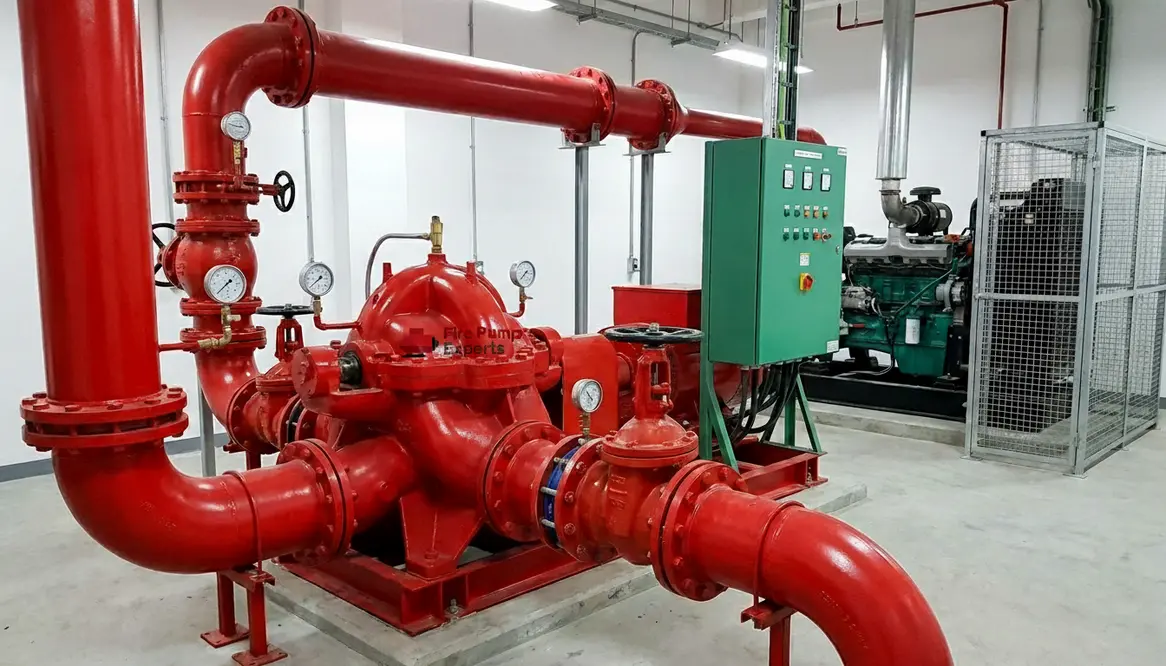
Fire Pump System Installation Requirements Guide
I have spent years around mechanical rooms that hum like a low bass note, and if there is one thing I have learned, it is this: a well installed fire pump is not just equipment, it is quiet reassurance. When we talk about fire pump system installation requirements, we are talking about precision, planning, and a healthy respect for what can go wrong if corners get cut. In large commercial and industrial buildings, these systems are not optional. They are the difference between a close call and a catastrophe. So let me walk you through it, calmly and clearly, with just enough humor to keep you awake.
What do fire pump system installation requirements actually include?
At their core, these requirements are about delivering reliable water flow when everything else is falling apart. Simple idea, right? In practice, it is a symphony of components working in sync.
First, I always look at compliance. Codes like NFPA 20 set the baseline. Then, I focus on proper sizing. A pump that is too small is like bringing a garden hose to a warehouse fire. Too large, and you are wasting energy and money.
Next comes placement. The pump room must be accessible, protected, and designed to handle flooding risks. Because irony is cruel, and the last thing you want is your fire pump underwater during a fire.
Finally, I ensure power reliability. Electric or diesel, there must be redundancy. Fires do not politely wait for power to come back on.
Core pillars of compliance
- Adhering to NFPA 20 and local codes
- Matching pump capacity to building demand
- Providing a protected, accessible pump room
- Ensuring primary and backup power sources
Why it all matters
When fire pump system installation requirements are followed with care, the result is a system that quietly waits in the background, ready to deliver full performance the moment the alarms start screaming.
Choosing the right pump for large scale buildings
Not all pumps are created equal, and commercial properties demand more than a one size fits all approach. I typically evaluate three main types: horizontal split case, vertical inline, and vertical turbine pumps.
Each serves a purpose. For instance, high rise buildings often lean toward vertical turbine pumps because they can draw from deep water sources. Meanwhile, industrial facilities may prefer horizontal split case pumps for their durability and ease of maintenance.
However, selection is not just about type. Flow rate, pressure demand, and system layout all come into play. I like to think of it like casting a movie. You do not put the Hulk in a romantic comedy. Well, unless you are feeling experimental.
Pump types at a glance
- Horizontal split case: Workhorse for industrial sites, excellent for maintenance access.
- Vertical inline: Compact and efficient, ideal when floor space is a premium.
- Vertical turbine: Perfect when you are pulling from deep wells or tanks below grade.
Performance factors
- Required flow rate in gallons per minute
- Total dynamic head and pressure zones
- Sprinkler and standpipe system design
- Available water supply characteristics
Designing the layout with precision and purpose
Once the pump is selected, layout becomes the next challenge. And this is where things get interesting.
I always start with suction piping. It needs to be straight, short, and unobstructed. Any turbulence here can reduce efficiency. Then comes discharge piping, which must support system pressure without excessive friction loss.
Additionally, valves and gauges must be positioned for easy access. Because in an emergency, no one wants to play hide and seek with a control valve.
Key Layout Priorities
- Direct suction line with minimal bends
- Clear access around equipment
- Proper drainage in pump room
- Stable foundation to reduce vibration
Common Mistakes I Avoid
- Oversized piping that reduces pressure
- Poor ventilation in diesel pump rooms
- Ignoring future maintenance access
- Improper alignment causing wear
Power supply and backup systems that do not quit
Here is where things get serious. A fire pump without reliable power is like a superhero without powers. Impressive suit, but not very helpful.
Electric vs diesel: choosing your backbone
Electric pumps must connect to a dedicated power source, often with backup generators. Diesel pumps, on the other hand, bring their own energy but require fuel storage and ventilation.
In many large facilities, I recommend dual pump systems. One electric, one diesel. Because redundancy is not paranoia. It is preparation.
Moreover, automatic transfer switches and controllers must be tested regularly. Because technology is wonderful, until it decides to take a nap at the worst possible moment.
Testing and commissioning before go live
Before I sign off on any installation, I insist on thorough testing. This is where we prove that all those fire pump system installation requirements were not just theory.
Proving performance
Flow tests confirm the pump meets performance curves. Pressure readings validate system integrity. Alarm systems and controllers must respond instantly.
Documenting everything
And yes, I watch these tests closely. Not because I enjoy staring at gauges, although there is a certain charm to it, but because this is the moment of truth.
Once everything checks out, documentation follows. Every valve, every setting, every detail gets recorded. Because future technicians deserve more than guesswork and crossed fingers.
Maintenance planning starts on day one
Installation is only half the story. A fire pump system is like a classic car. Ignore it long enough, and it will let you down when you need it most.
A maintenance rhythm that actually works
I always set up a maintenance schedule right after commissioning. Weekly churn tests, monthly inspections, and annual performance testing keep the system ready.
Additionally, trained personnel must know how to operate and troubleshoot the system. Because in an emergency, hesitation is not an option.
For large commercial and industrial facilities, partnering with specialists ensures compliance and reliability. It is not just maintenance. It is peace of mind on a schedule.
FAQ: Quick answers you actually need
When you are sorting through fire pump system installation requirements, a few questions come up over and over again. Here are the ones worth keeping close.
Final thoughts that lead to action
If you manage a large facility, now is the time to take a closer look at your fire protection strategy. The right installation is not just about meeting codes. It is about protecting lives, assets, and operations without compromise. Thoughtful planning, clear documentation, and disciplined maintenance bring those fire pump system installation requirements to life in a way that actually works when it counts.
Work with experienced professionals who understand the stakes and deliver systems that perform when it matters most. When alarms sound, the expectation is simple: the pump starts, water flows, and your building does exactly what it was designed to do. There is no room for maybe. Only certainty will do.
If you want a deeper technical breakdown, tools and guides from resources such as https://firepumps.org can help translate complex standards into clear steps, so your fire pump system installation requirements are not just a checklist, but a working, reliable reality.