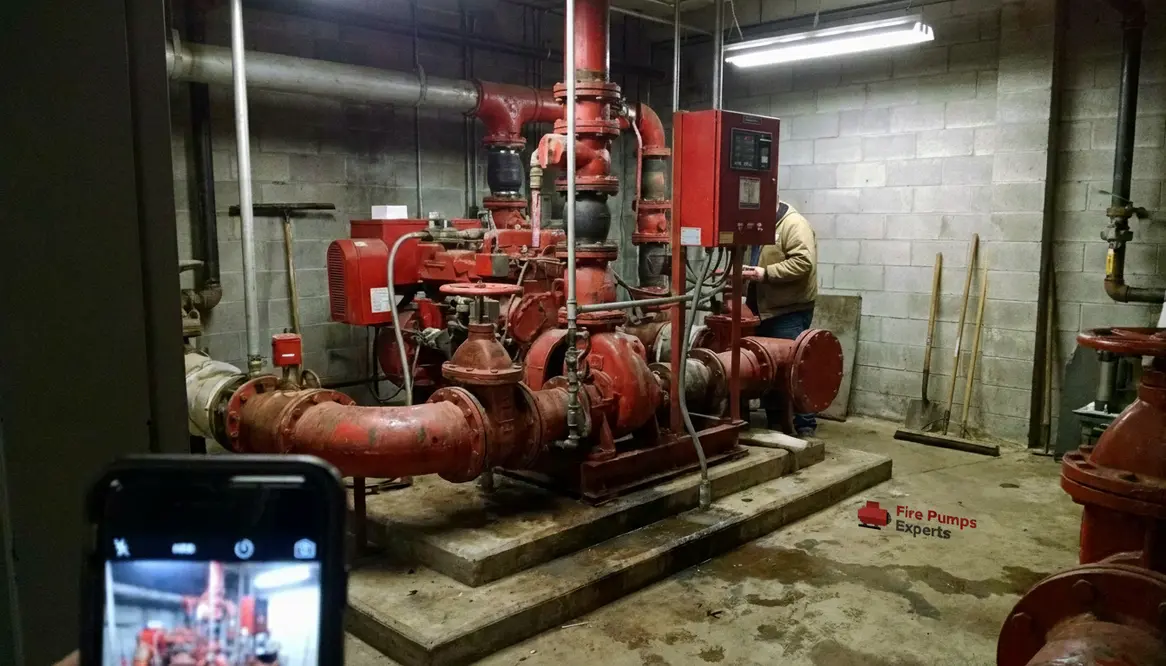
Fire Pump System Replacement Cost Guide
I have spent enough time around mechanical rooms to know this truth: nothing humbles a building owner faster than a failing fire pump. And when the conversation turns to fire pump system replacement cost, the room tends to go quiet. Not because it is boring, but because it matters. A lot. In commercial and industrial facilities, this is not just another line item. It is the line between compliance and risk, between safety and liability. So, let me walk you through it in a way that feels less like a dry manual and more like a calm, steady voice guiding you through the noise.
What Drives Fire Pump System Replacement Cost in Large Facilities
First, I like to say that no two buildings tell the same story. However, there are consistent factors that shape replacement pricing.
Size matters. A high rise or industrial plant requires more powerful systems, and naturally, those cost more. Then there is the type of pump. Electric, diesel, or turbine pumps each come with their own price tag and installation complexity.
Additionally, labor plays a significant role. Replacing a system in an active facility is like swapping an engine mid flight. It takes planning, skilled technicians, and careful staging. Therefore, labor costs often rise in facilities that cannot afford downtime.
And then, of course, compliance enters the room like a strict but necessary supervisor. Codes from NFPA and local authorities require upgrades that older systems simply cannot meet. If you are curious about compliance standards, resources like commercial fire pump system guidelines offer a deeper look into what modern systems demand.
Typical Price Ranges and What I See Most Often
Let me give you a grounded expectation. For most commercial properties, replacement costs typically fall between 50,000 and 250,000 dollars. Yes, that is a wide range, but there is a reason.
Smaller commercial buildings with straightforward layouts sit on the lower end. Meanwhile, hospitals, manufacturing plants, and high density structures lean toward the higher side due to redundancy requirements and system complexity.
Moreover, if your system includes controllers, backup power, and upgraded piping, costs climb quickly. It is a bit like ordering a base model car and then adding every feature until it quietly becomes a luxury vehicle.
Still, I always remind clients that this is not just spending. It is an investment in safety, compliance, and long term reliability.
Where Your Budget Actually Goes
Equipment Costs
The pump itself, controller, valves, and fittings form the core expense. High quality components last longer and perform better under pressure. Literally.
Installation and Labor
Skilled crews handle removal, installation, alignment, and testing. In complex buildings, this becomes a carefully choreographed operation.
Engineering and Design
Plans must meet strict codes. Engineers ensure the system integrates properly with your building infrastructure.
Permits and Compliance
Inspections, approvals, and documentation all add cost, but they also protect you from future headaches.
When I look at a project, I see these pieces working together like a well cast ensemble. Skip one, and the whole production suffers.
When Should I Replace Instead of Repair?
This is the question I hear most often, and the answer is usually clearer than people expect.
If your system struggles to meet pressure requirements, shows frequent failures, or relies on outdated parts, replacement becomes the smarter move. Repairs might feel cheaper in the short term. However, repeated fixes add up quickly, like patching a leaky roof during every storm.
Additionally, older systems often fail modern compliance tests. And failing those tests is not just inconvenient. It can shut down operations or lead to serious penalties.
So, while repairs have their place, there comes a point where replacement is the only logical path forward.
How I Help Clients Control Fire Pump System Replacement Cost
I always approach projects with one goal: maximize value without cutting corners. Fortunately, there are practical ways to manage costs.
First, planning ahead makes a noticeable difference. Emergency replacements almost always cost more due to urgency and limited options.
Next, I recommend phased upgrades when possible. In larger facilities, replacing components strategically can reduce immediate financial strain.
Also, choosing the right contractor matters more than most expect. An experienced team avoids costly mistakes, ensures compliance, and keeps timelines on track.
And yes, sometimes I suggest stepping back and asking a simple question: does this system match the building’s current needs? Oversized systems waste money, while undersized ones create risk. Balance is everything. Keeping a clear view of overall fire pump system replacement cost helps keep that balance in check.
Common Mistakes That Quietly Increase Costs
I have seen a few patterns over the years, and they tend to repeat.
Delaying replacement is a big one. Waiting too long often turns a planned project into an emergency. And emergencies, as we all know, are rarely budget friendly.
Another mistake is ignoring system testing history. If past reports show declining performance, that is not a suggestion. It is a warning.
Finally, some try to cut corners on compliance. That decision almost always backfires. Inspectors are thorough, and fixes after failed inspections cost more than doing it right the first time.
Think of it this way. You would not ignore the check engine light on a long road trip. Your fire pump deserves the same respect, especially when the true fire pump system replacement cost of waiting often shows up at the worst possible time.
FAQ: Fire Pump System Replacement Cost
Before calling for quotes, it helps to have a working sense of what shapes your overall fire pump system replacement cost. Below are a few questions that come up regularly.
Final Thoughts and Your Next Step
If there is one thing I want you to take away, it is this: a well planned replacement is always better than a rushed reaction. The right approach keeps your building safe, compliant, and operational without unpleasant surprises. If you are considering your next move, now is the time to evaluate your system, consult experts, and take control of your fire pump future before it takes control of you. And as you compare options, keep an eye on total fire pump system replacement cost, not just the sticker price, so you get reliability and peace of mind along with the new equipment.