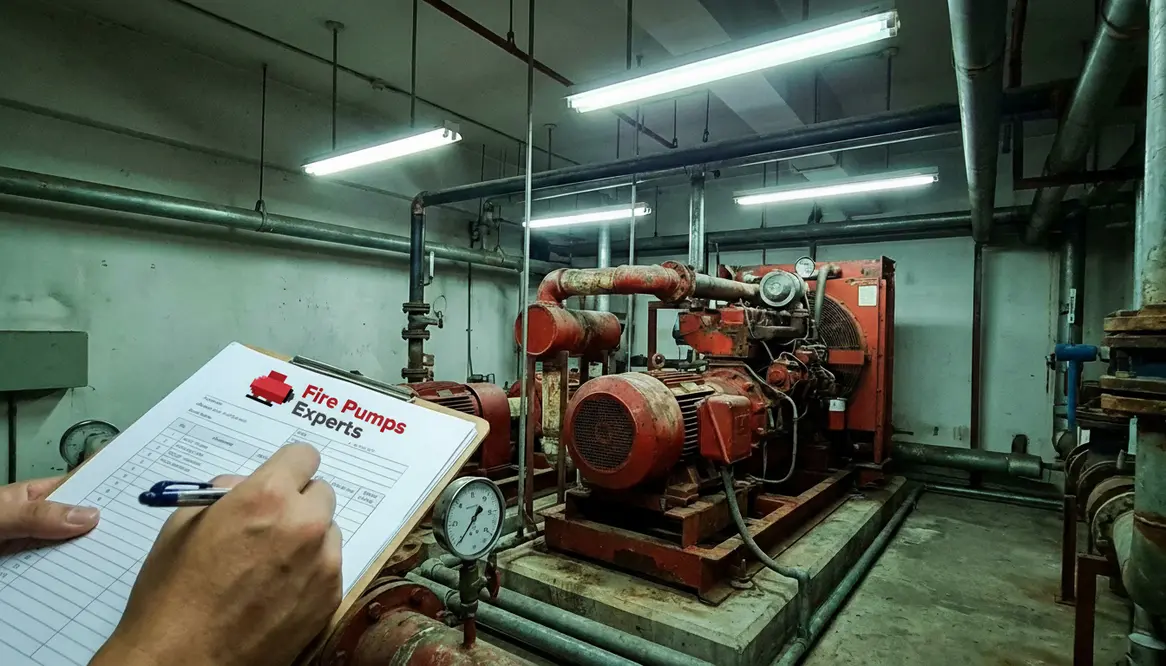
Fire Pump System Replacement Cost Guide
I have walked through enough mechanical rooms to know this truth. Nothing hums with quiet authority like a well tuned fire pump. Yet, when it reaches the end of its life, the conversation turns serious fast. The fire pump system replacement cost becomes the headline, and suddenly everyone in the building from facility managers to finance teams leans in. I get it. This is not a casual expense. It is a critical investment in safety, compliance, and business continuity. And yes, it can feel about as fun as a surprise plot twist in a disaster movie.
What drives fire pump system replacement cost in commercial buildings
Let me say this clearly. No two replacements cost the same. However, several core factors always shape the final number.
First, the size and type of pump matter. A high rise tower with complex zoning demands far more than a small industrial plant. Then, I look at the existing infrastructure. If piping, controllers, or electrical systems need upgrades, costs rise quickly.
Next, compliance plays a starring role. Codes evolve. Therefore, replacing a system often means bringing everything up to current standards. That includes alarms, backup power, and monitoring systems. It is not just a swap. It is an upgrade.
Labor also carries weight. Skilled technicians do not come cheap, and frankly, they should not. This is life safety equipment, not a weekend DIY project.
Finally, downtime considerations enter the scene. In large facilities, maintaining operations during replacement can require temporary systems. That adds complexity and cost, but it keeps your building protected.
How much should I budget for a fire pump system replacement cost
Here is the straight answer. Most commercial and industrial facilities can expect a range from tens of thousands to several hundred thousand dollars. I know, that range feels wide. However, it reflects reality.
For example, a straightforward replacement in a mid sized facility might land on the lower end. Meanwhile, a high capacity system in a large industrial complex with updated compliance requirements can climb significantly.
In addition, I always advise budgeting beyond the base estimate. Unexpected issues love to appear at the worst time. Think of it as the plot twist nobody asked for, yet somehow always arrives.
When I plan budgets, I include equipment, installation, testing, and contingency. That way, there are no late stage surprises that make everyone suddenly very interested in spreadsheets.
Where hidden costs tend to show up
Now, this is where things get interesting. Hidden costs rarely announce themselves. They just quietly join the invoice.
Common areas where costs increase:
- Code upgrades: New regulations may require additional components
- Electrical work: Power supply upgrades are often necessary
- Structural modifications: Equipment size changes can impact layout
- Permits and inspections: Required for compliance and approval
- Temporary fire protection: Needed during system downtime
Because of this, I always recommend working with specialists who focus on large scale facilities. Resources like commercial fire pump system experts can help identify these costs early, which saves both time and money.
Repair vs replacement for aging fire pump systems
This is where I tend to get blunt. If your system is nearing the end of its service life, repeated repairs can become a money pit. It is like keeping an old car running with duct tape and optimism. Eventually, reality wins.
However, not every system needs immediate replacement. If performance remains strong and compliance is intact, targeted repairs can extend life. Still, once reliability drops or parts become hard to source, replacement becomes the smarter move.
I always weigh three things. Reliability, compliance, and long term cost. If two of those start slipping, it is time to move on.
Cost breakdown snapshot for large facilities
Equipment Costs
- Pump unit and motor
- Controller systems
- Valves and fittings
- Backup power components
Installation Costs
- Labor and engineering
- System integration
- Testing and commissioning
- Permits and inspections
When I look at this breakdown, I see more than numbers. I see a system that must perform without hesitation when it matters most. That perspective keeps decisions grounded.
How I reduce long term replacement expenses
I like saving money as much as the next person. Probably more, if I am being honest. The key is thinking long term.
First, I invest in regular maintenance. A well maintained system lasts longer and performs better. Second, I schedule periodic assessments to catch issues early. Third, I plan replacements proactively rather than reactively. Emergency replacements tend to cost more and come with added stress.
Also, I choose quality equipment. Cutting corners upfront often leads to higher costs later. It is the classic story. Pay now or pay more later. When I evaluate a fire pump system replacement cost, I look beyond the immediate invoice and consider the lifecycle of the equipment and the protection it provides over decades.
FAQ about fire pump system replacement
These are the questions I hear most often when the conversation turns to planning, budgeting, and understanding a fire pump system replacement cost in real-world facilities.
Final thoughts and next steps
When I think about fire protection, I do not see it as an expense. I see it as insurance that actually shows up when called. If you are evaluating your fire pump system replacement cost, now is the time to act with clarity. Bring in experts, assess your system honestly, and plan ahead. A well executed replacement protects lives, property, and operations. And in my book, that is always worth the investment.
The more accurately you understand your building, your risks, and your compliance requirements, the easier it becomes to frame that investment as part of a long term strategy. The goal is not just to install a new pump. The goal is a resilient fire protection backbone that quietly does its job year after year without needing a dramatic rescue of its own.