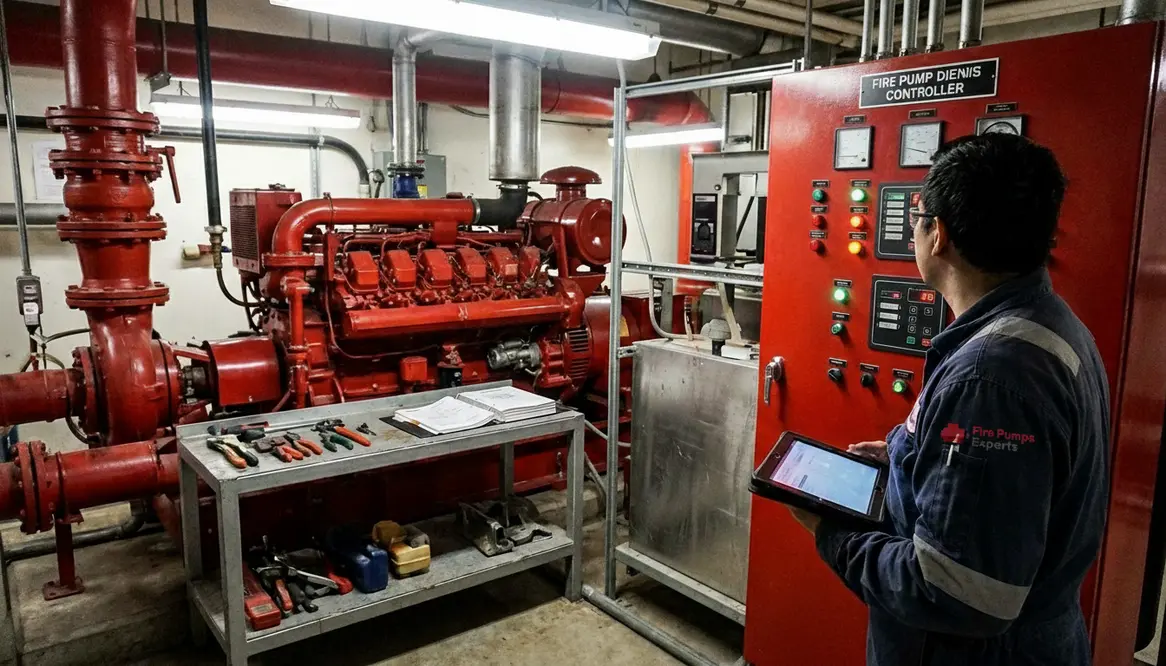
Fire Pump System Troubleshooting Guide for Buildings
I have spent enough time around mechanical rooms to know one thing for certain. When a fire pump system decides to misbehave, it does not whisper. It roars, alarms, or worse, it stays silent when it should not. That is where fire pump system troubleshooting steps in, not as a luxury, but as a necessity. In large commercial and industrial buildings, these systems stand between order and chaos. So today, I will walk you through how I approach diagnosing issues with calm precision, a bit of patience, and just enough humor to keep things from feeling like a scene out of a disaster movie.
How I Approach Fire Pump System Troubleshooting Step by Step
First, I slow things down. Rushing through diagnostics is how small problems become very expensive ones. I start by observing the system in its natural state. Is the pump running when it should not? Is it refusing to start at all?
Next, I check the basics. Power supply, controller status, and pressure readings. It sounds simple, and that is because it is. Yet, you would be surprised how often the issue is something like a tripped breaker or a valve that someone forgot to open after maintenance. Not exactly Hollywood level drama, but just as impactful.
Then, I move deeper into the system. I review logs, controller alarms, and pressure trends. Modern systems leave a trail of breadcrumbs. You just have to follow them without getting distracted by every blinking light.
Finally, I confirm my findings with a controlled test. Because guessing in fire protection is a bit like guessing the ending of a thriller movie. You might get it right, but you really should not take that chance.
Why Is My Fire Pump Not Starting When It Should
This is one of the most common questions I hear, and fortunately, it usually has a clear answer. When a fire pump refuses to start, I look at three main areas.
- Power issues: No power means no pump. I check breakers, wiring, and controller input.
- Controller faults: Sometimes the controller is trying to tell you something. Error codes are not decoration.
- Pressure switch problems: If the system does not detect a pressure drop, it will not activate.
However, there is a twist. In large facilities, multiple systems interact. A pressure maintenance pump, for example, might mask a pressure drop. So the main pump never gets the signal. It is like having a backup singer who accidentally drowns out the lead vocalist.
Common Performance Issues I See in Commercial Systems
Once the pump starts, that does not mean it is performing correctly. In fact, that is where things get interesting. I often encounter systems that run, but not the way they should. Effective fire pump system troubleshooting depends on recognizing these patterns early.
Pressure And Vibration Problems
Low pressure output
This often points to worn impellers, partially closed valves, or suction issues. I always inspect the water supply path carefully.
Excessive vibration
Misalignment or failing bearings usually cause this. And yes, the pump will let you know through noise that could rival a rock concert.
Heat And Cycling Issues
Overheating
This can result from continuous operation or poor ventilation. Pumps need airflow, not a sauna environment.
Frequent cycling
This often signals pressure fluctuations or a faulty jockey pump. It is the system equivalent of someone constantly flipping a light switch.
Each of these issues requires a targeted response. Guesswork will not cut it. Careful inspection and measured adjustments always win, especially when fire pump system troubleshooting has to keep a critical facility online.
Tools and Data I Rely On for Accurate Diagnosis
I trust data more than assumptions. So I rely heavily on pressure gauges, flow test results, and controller logs. These tools tell the real story.
Additionally, I recommend reviewing professional resources like commercial fire pump system maintenance standards to stay aligned with best practices. In large scale buildings, compliance is not optional. It is part of keeping people and property safe.
Moreover, I document everything. Every reading, every change, every result. Because when a system acts up again, and it will, patterns start to emerge. And patterns are where real insight lives. Over time, this record becomes the backbone of effective fire pump system troubleshooting across an entire portfolio of buildings.
Preventing Issues Before They Start
Now here is the truth. The best troubleshooting is the kind you never have to do. Prevention saves time, money, and a fair amount of stress.
Routine Testing Rhythm
I stick to routine testing schedules. Weekly churn tests, monthly inspections, and annual flow tests are not just checkboxes. They are opportunities to catch small issues early.
Optimization And Human Factors
Also, I make sure systems are not just functional, but optimized. That means checking alignment, ensuring proper lubrication, and verifying that all components work together smoothly.
And yes, I keep an eye on human factors. Valves get closed, settings get changed, and sometimes things get “temporarily adjusted” and never reset. It happens more often than anyone likes to admit.
Fire Pump System Troubleshooting in High Demand Facilities
In large commercial and industrial properties, the stakes are higher. These systems must perform under pressure, literally and figuratively.
I pay extra attention to redundancy and system integration. Backup pumps, emergency power supplies, and automated controls all need to work in harmony. One weak link can compromise the entire setup.
Furthermore, I coordinate with facility teams. Fire protection does not operate in isolation. It connects with electrical, HVAC, and building management systems. When everyone communicates, problems get solved faster.
Think of it like an ensemble cast. When everyone hits their mark, the performance is flawless. When they do not, well, that is when fire pump system troubleshooting becomes a full time job.
FAQ
Conclusion
Fire pump systems are not something you leave to chance. When issues arise, a steady, informed approach makes all the difference. I have seen how proper diagnostics can turn a looming failure into a manageable fix. If you oversee a commercial or industrial property, now is the time to take action. Evaluate your system, schedule professional inspections, and ensure everything runs as it should. Because when the moment comes, reliability is not optional. It is everything, and smart fire pump system troubleshooting is one of the best investments you can make in that reliability.