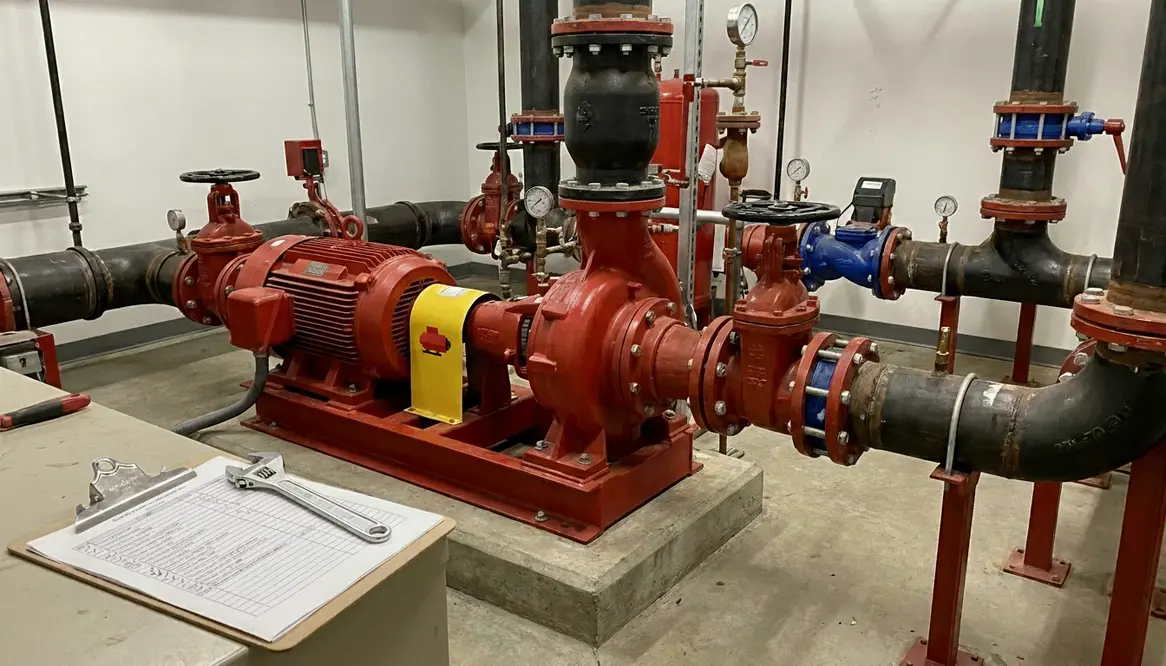
End Suction Fire Pump Maintenance Checklist Guide
I have always believed that machines, much like people, perform best when they are cared for with patience and consistency. When it comes to end suction fire pump maintenance, that belief becomes more than philosophy. It becomes a responsibility. These pumps sit quietly in commercial and industrial facilities, waiting for the one moment when everything is on the line. And when that moment comes, there is no room for hesitation, no tolerance for neglect. So today, I will walk you through a maintenance checklist that keeps your system ready, reliable, and just a little less dramatic than a Hollywood fire scene.
What Should I Check First in an End Suction Fire Pump?
I like to start simple. Always. Because if you miss the basics, the rest is just window dressing.
First, I inspect the pump casing and connections. Look for leaks, corrosion, or loose fittings. Even a small drip can grow into a big problem when pressure builds. Next, I check alignment between the pump and motor. Misalignment is like wearing mismatched shoes. You might still walk, but not well, and certainly not for long.
Then, I move to lubrication. Bearings need proper grease levels, not too much and not too little. Think of it like coffee. Too little, you stall. Too much, things get messy.
Finally, I verify that valves are in the correct position. A closed valve in the wrong place can turn a reliable system into a very expensive paperweight.
Core End Suction Fire Pump Maintenance Routine
Now we get into the rhythm of things. Maintenance is not a one time event. It is a routine, almost like brushing your teeth, except the consequences of skipping are far worse.
Weekly Tasks
- Run the pump and monitor pressure levels
- Listen for unusual noise or vibration
- Check packing and seals for leaks
- Confirm gauges are accurate
Monthly Tasks
- Inspect coupling alignment
- Test automatic start functions
- Clean strainers and filters
- Review controller logs for irregularities
While this may sound routine, consistency is what separates a dependable system from one that fails under pressure. And in commercial environments, pressure is not just literal. It is operational, financial, and sometimes even legal.
How Do I Spot Problems Before They Get Serious?
This is where experience starts to feel like intuition. However, there are clear signs anyone can learn to recognize.
First, vibration tells a story. If the pump begins to shake more than usual, something is off balance. Next, temperature changes often signal friction issues or poor lubrication. Then there is sound. A healthy pump hums. An unhealthy one complains. And unlike your coworker, you should not ignore it.
Additionally, watch for pressure fluctuations. A steady system should not behave like a roller coaster. When it does, I take that as a cue to investigate immediately.
For a deeper look into compliance and standards, I often refer to fire pump system performance guidelines, which provide valuable insight for large scale facilities.
Advanced Care for High Demand Facilities
In major commercial and industrial buildings, the stakes rise. These systems support hospitals, data centers, and high occupancy structures where failure is simply not an option.
So, I go beyond the basics. I perform vibration analysis using specialized tools. I also review historical performance data to detect patterns. Over time, even small deviations can reveal emerging issues.
Moreover, I ensure that backup power integration is tested regularly. A fire pump without reliable power is like a superhero without powers. Technically present, but not very helpful.
Finally, I coordinate with certified professionals for annual inspections. While daily care matters, expert evaluation adds a layer of assurance that cannot be replaced. This blend of frequent monitoring and scheduled expert review is the backbone of responsible end suction fire pump maintenance in high demand environments.
Common Mistakes I Avoid Every Time
Even seasoned operators can slip into bad habits. I have seen it happen, and I have learned to stay vigilant.
- Skipping scheduled tests because everything seems fine
- Over lubricating bearings which leads to overheating
- Ignoring minor leaks until they become major failures
- Using incorrect replacement parts that compromise performance
Each of these mistakes shares a common theme. They begin small, almost harmless, until they are not. Maintenance, after all, is about respect for the details. Consistent end suction fire pump maintenance is what keeps those small missteps from turning into system wide disasters.
FAQ About End Suction Fire Pump Maintenance
How often should I run the fire pump?
I run it weekly to ensure proper operation and identify issues early.
What is the most common failure point?
Seals and bearings tend to wear first due to constant stress.
Can I perform maintenance without shutting down the system?
Some checks are safe during operation, but major work requires shutdown for safety.
Why is alignment so important?
Poor alignment increases wear and reduces efficiency, leading to early failure.
Do commercial buildings need stricter maintenance?
Yes, higher demand and occupancy require more rigorous inspection and testing.
Keep It Ready Before It Is Needed
I will leave you with this. A fire pump does not ask for attention when it is convenient. It demands reliability when everything else is going wrong. That is why end suction fire pump maintenance is not just another task on a checklist. It is a commitment to safety, performance, and peace of mind. Stay consistent, stay observant, and treat every inspection like it matters. Because one day, it absolutely will.
Whether your system protects a modest commercial space or a sprawling industrial complex, disciplined end suction fire pump maintenance is the quiet backbone of your life safety strategy. The work is rarely glamorous, but when the alarms sound and water surges through the system exactly as it should, every careful check, test, and adjustment will have been worth it.