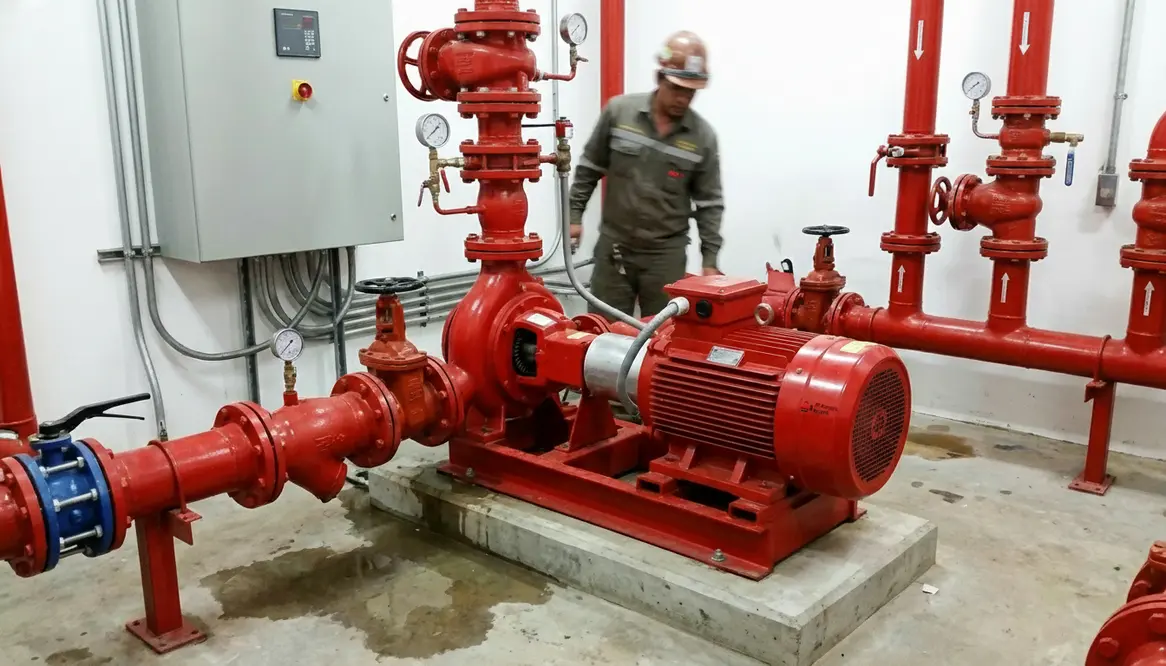
End Suction Fire Pump Installation Guide
I have spent enough time around pump rooms to know one thing for sure. When people search for end suction fire pump installation, they are not looking for poetry. They want clarity, precision, and a setup that works the first time, every time. Still, I believe even a topic like this deserves a voice that does not put you to sleep faster than a late night documentary rerun. So let me walk you through it in a way that is steady, clear, and just interesting enough to keep you from checking your phone.
Because in commercial and industrial buildings, this is not just equipment. It is the difference between control and chaos.
What are the core requirements for end suction fire pump installation?
I will answer this plainly. The installation must meet three pillars. Code compliance, proper layout, and reliable performance. Miss one, and you are building a very expensive paperweight.
First, I always align with NFPA 20 standards. These are not suggestions. They define spacing, piping design, and acceptable materials. Next, I focus on accessibility. If your maintenance team has to perform yoga just to reach a valve, something has gone wrong.
Then comes performance. The pump must deliver the required flow and pressure without hesitation. That means correct sizing, proper alignment, and stable power supply.
And yes, I have seen installations where someone guessed on pipe sizing. That usually ends with alarms, complaints, and a very awkward meeting.
Site preparation that actually supports the system
Before I even think about placing the pump, I look at the foundation. A solid base is not optional. It must handle vibration, weight, and long term operation without shifting.
Concrete pads should be level and cured properly. I also make sure there is enough clearance around the pump for airflow and service access. Crowding the equipment might save space, but it will cost you later.
Additionally, drainage matters more than most expect. Pump rooms see water. Always. So I ensure proper floor grading and drainage systems are in place.
And lighting. Not glamorous, but essential. No technician wants to troubleshoot a system in what feels like a scene from a horror movie.
Key components and layout decisions that impact performance
Suction side design
I keep suction piping short and direct. Every extra bend reduces efficiency. I also avoid air pockets by maintaining proper slope and using eccentric reducers where needed.
Discharge configuration
On the discharge side, I install check valves and control valves in the correct sequence. This prevents backflow and protects the system during operation.
Alignment and coupling
Even a slight misalignment between pump and motor can cause vibration and wear. I always verify alignment with precision tools.
Controller placement
The controller must be accessible and protected. It is the brain of the operation, not something you tuck away like old office furniture.
These choices may seem small. However, together they determine whether the system runs smoothly or sounds like a drum solo gone wrong.
How do I ensure compliance and inspection readiness?
I treat inspections like a final exam where the answers are already known. The key is preparation.
I document everything. Flow tests, pressure readings, and equipment specs all need to be recorded. Inspectors want proof, not promises.
Moreover, I verify that all components meet listed and approved standards. Using non compliant parts might save money upfront, but it will fail inspection every time.
For those managing large facilities, I often recommend reviewing guidance from https://www.firepumps.org. It keeps everything aligned with what inspectors expect in real world scenarios.
Finally, I run full system tests. Not partial. Not simulated. The real thing. Because surprises belong in movies, not pump rooms.
Common mistakes I avoid during installation
I have seen enough projects to know where things go sideways. So I stay ahead of these issues.
Poor pipe support which leads to stress on the pump casing
Incorrect pump sizing that fails to meet system demand
Improper electrical setup causing unreliable starts
Ignoring vibration control which shortens equipment life
However, the most common mistake is rushing. Fire pump installation is not fast food. You do not get better results by doing it quicker.
FAQ about end suction fire pump installation
Conclusion
If you are planning an end suction fire pump installation, treat it like the critical system it is. Every decision, from layout to testing, shapes how it performs when it matters most. I approach each project with precision and a bit of patience, because shortcuts have no place here. If you are managing a commercial or industrial facility, now is the time to get it right, partner with experts, and build a system you can trust without hesitation.