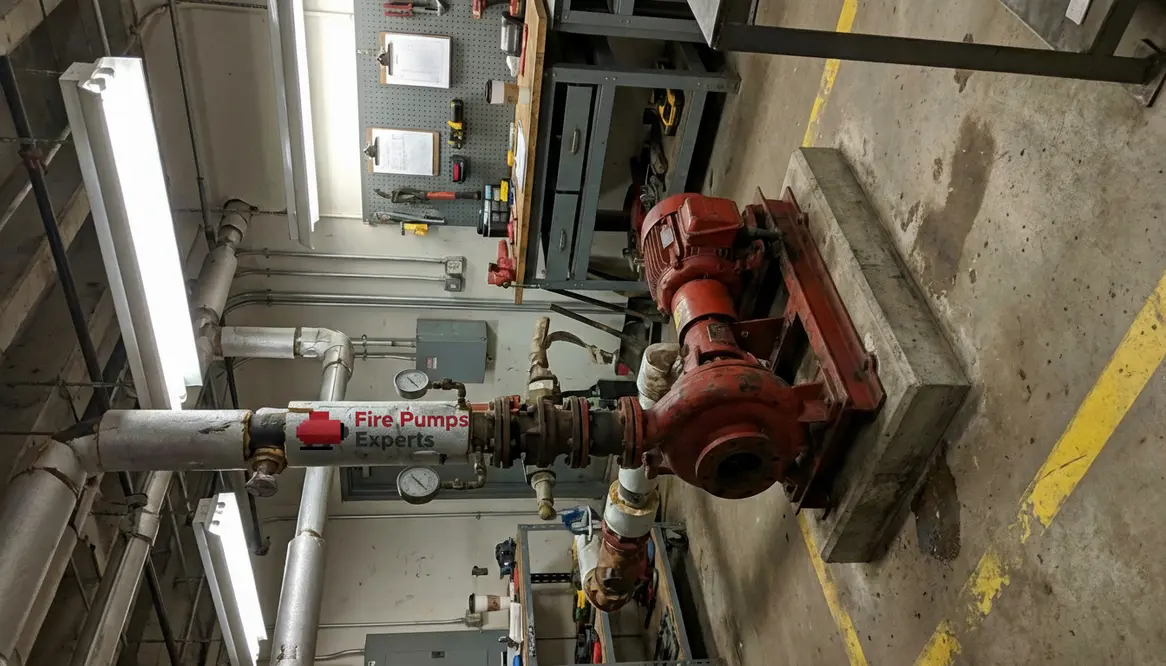
End Suction Pump for Commercial Building Systems
Quiet, compact, and usually ignored until something goes wrong. That is the daily life of the end suction pump sitting in the back of a mechanical room, keeping your systems moving without asking for a spotlight.
I have spent enough time around mechanical rooms to know one thing for certain. The quiet hero of many systems is often overlooked. In small commercial properties, that hero is frequently the end suction pump commercial building setups rely on to keep water moving exactly where it needs to go. Whether it is circulating chilled water or supporting fire protection systems, this compact powerhouse does more than most people realize. And honestly, it does it without asking for applause. A bit like the bass player in a band. You do not notice them until they stop.
What Makes End Suction Pumps Ideal for Small Commercial Properties
I like to think of these pumps as the Goldilocks of fluid movement. Not too big, not too complex, but just right. They fit neatly into tight mechanical spaces, which is critical when square footage costs more than a decent cup of coffee in Manhattan.
Because they use a simple design, I find them easier to install and maintain. The motor connects directly to the pump, which reduces alignment issues. As a result, downtime stays low and efficiency stays high. That combination matters when you are managing a building that cannot afford surprises.
Additionally, they handle moderate flow and pressure requirements with ease. For small offices, retail centers, and mid sized facilities, this makes them a reliable choice without overengineering the system.
Where the End Suction Pump Really Shines
In the real world, an end suction pump commercial building owners choose often ends up as the go-to workhorse for chilled water loops, condenser water circuits, and even light-duty domestic boosting. It plays nicely with compact mechanical rooms, limited budgets, and systems that still demand reliability without a parade of complex components.
How Do I Choose the Right Pump for My Building?
I get this question a lot, and the answer is both simple and layered. First, I look at flow rate and head requirements. Those two numbers tell me what the building actually needs, not what looks impressive on paper.
Then, I consider system type. HVAC circulation, domestic water boosting, or fire protection all demand slightly different configurations. For example, when working with fire systems, I always reference trusted resources like commercial fire pump system standards to ensure compliance and performance.
Finally, I factor in efficiency. Energy costs add up quickly, so I prefer pumps that operate near their best efficiency point. In other words, I do not buy a sports car to sit in traffic. Same logic applies here.
Matching Pump Choice to Real-World Conditions
Whenever I select an end suction pump commercial building operators will depend on for years, I look beyond the catalog curves. Startup conditions, partial load operation, and future expansion plans all have a say. If the building might add another air handler or extend a wing, I would rather account for that now than rip out piping later.
Key Components That Keep Everything Running Smoothly
Understanding the parts helps me spot issues before they become expensive problems. Fortunately, the design stays straightforward.
Core Components
- Impeller drives fluid movement
- Casing directs flow efficiently
- Shaft connects motor to pump
- Seal prevents leaks
Support Elements
- Motor provides power
- Bearings reduce friction
- Baseplate ensures stability
- Coupling maintains alignment
Because each part plays a specific role, even a small failure can ripple through the system. That said, regular inspection keeps everything predictable. And in this line of work, predictable is beautiful.
Installation Choices That Save Time and Headaches
I have seen installations that looked like abstract art. Creative, yes. Functional, not so much. So I keep things clean and intentional.
First, I make sure there is proper alignment between the pump and motor. Even slight misalignment can lead to vibration, which eventually damages components. Next, I ensure adequate clearance around the unit. Maintenance should not require contortionist skills.
Moreover, I pay attention to pipe sizing and layout. Smooth flow into the pump reduces turbulence and improves efficiency. Think of it like merging onto a highway. You want a steady transition, not chaos.
When working with an end suction pump commercial building systems depend on, these details are not optional. They are the difference between a system that hums and one that groans.
Maintenance Habits That Extend Pump Life
I treat maintenance like brushing teeth. Skip it long enough, and things get ugly. Fortunately, these pumps respond well to consistent care.
I check seals and bearings regularly. If I hear unusual noise or feel excessive vibration, I investigate immediately. Small symptoms often signal bigger issues waiting backstage.
In addition, I monitor performance data. Flow rate drops or pressure changes can reveal wear inside the pump. By catching these early, I avoid costly downtime.
And yes, lubrication matters. It is not glamorous, but neither is replacing a failed motor during peak operation. A little effort goes a long way.
Energy Efficiency and Long Term Cost Control
Let us talk money. Because at the end of the day, efficiency is not just about engineering. It is about keeping operating costs in check.
I always aim to match the pump to the actual demand. Oversized pumps waste energy, while undersized ones struggle. Neither scenario wins. However, when I get it right, the system runs smoothly and uses less power.
Variable speed drives also make a big difference. They allow the pump to adjust output based on demand. So instead of running full throttle all day, the system adapts. It is like switching from a muscle car to something smarter when traffic slows down.
Over time, these choices reduce energy bills and extend equipment life. That is a win I will take every time.
Why Efficiency Matters for the Whole Building
When an end suction pump commercial building systems rely on runs close to its best efficiency point, it is not just the utility bill that looks better. Electrical infrastructure runs cooler, mechanical components last longer, and the building avoids those dramatic failures that always seem to pick the worst possible moment.
FAQ About End Suction Pumps
Final Thoughts and Next Steps
If you manage or design systems for a commercial property, choosing the right pump is not just a technical decision. It is a long term investment in reliability and efficiency. I encourage you to evaluate your current setup, identify gaps, and upgrade where needed. When done right, the system runs quietly, costs less, and performs exactly as expected. And honestly, that kind of peace of mind is worth every penny.