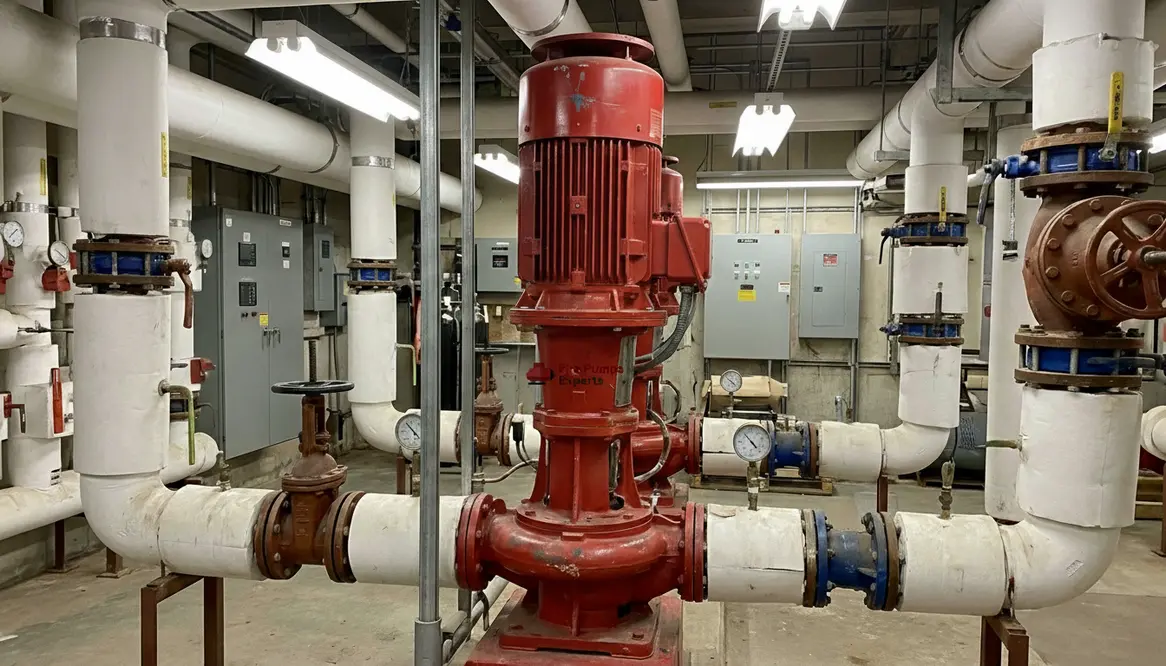
Vertical Inline Fire Pump Benefits and Uses
I have spent enough time around fire protection systems to know one thing for sure. When a building needs water in a hurry, it does not ask politely. It demands performance. That is where a vertical inline fire pump steps in, calm and ready, like a seasoned firefighter who has seen it all and still shows up early.
In large commercial and industrial properties, space is tight, expectations are high, and failure is not an option. So today, I am going to walk you through what makes this pump design so effective, why engineers keep choosing it, and how it quietly earns its place behind the scenes.
What is a vertical inline fire pump and why does it matter?
A vertical inline fire pump is exactly what it sounds like. The pump sits upright, and the suction and discharge nozzles align on the same centerline. Because of that, water flows straight through without making awkward turns. And trust me, water prefers a straight path. It is not a fan of detours.
Now, why does that matter? First, this design reduces friction loss. Second, it saves floor space, which in a mechanical room is as valuable as front row concert tickets. Finally, it simplifies piping layouts, which keeps installation cleaner and more efficient.
In high rise buildings, manufacturing plants, and large commercial campuses, that efficiency translates into faster response times during emergencies. And when seconds count, even small design advantages feel like superpowers.
How I see vertical inline fire pump systems used in real buildings
When I walk into a facility, I can usually tell within minutes why a vertical inline setup was chosen. It is all about balance between performance and practicality.
Space efficiency
These pumps take up less floor area because they are installed directly in the pipeline. That makes them ideal for tight mechanical rooms in commercial towers.
Simplified alignment
Since the motor sits vertically above the pump, alignment issues are minimal. Less alignment work means fewer headaches during installation.
Lower installation cost
Because the piping stays in line, contractors spend less time adjusting layouts. Time saved equals money saved.
Reliable flow delivery
The straight flow path keeps pressure consistent, which is critical for sprinkler and standpipe systems in large properties.
So while it may not look flashy, it works with quiet confidence. Kind of like that one employee who never talks much but somehow runs the entire operation.
Key components that make the system perform
Every strong system depends on the right parts working together. A vertical inline fire pump is no exception. However, instead of overwhelming you with jargon, I will keep it simple.
The motor sits on top and drives the pump shaft vertically. The casing houses the impeller, which moves water through the system. Meanwhile, the suction and discharge connections stay aligned, ensuring a smooth flow path.
Additionally, controllers play a major role. They monitor pressure and automatically start the pump when needed. In large scale facilities, this automation is not a luxury. It is a necessity.
If you want a deeper look at system configurations, I often point people toward commercial fire pump system design standards because understanding the full setup helps you make smarter decisions.
Why engineers choose vertical inline fire pump designs for commercial properties
I have seen trends come and go, but this design keeps showing up for good reason.
First, it fits modern building constraints. As buildings grow taller and mechanical spaces shrink, compact equipment becomes essential. Second, it reduces structural load distribution challenges since everything is neatly aligned.
Also, maintenance becomes more predictable. With fewer alignment issues and a straightforward layout, technicians can service the system without dismantling half the room. And nobody enjoys playing mechanical Jenga during an inspection.
Most importantly, it delivers consistent pressure across fire protection systems. In industrial plants and large commercial facilities, consistency is not just nice to have. It is the difference between control and chaos.
Installation and maintenance insights I wish more people knew
Here is something I always say. Even the best pump will disappoint you if installed poorly. That is just reality.
Proper support for the piping is critical because the pump sits inline. Any strain on the pipe transfers directly to the pump casing. Over time, that can lead to wear or failure.
Additionally, regular testing ensures readiness. Fire pumps are like parachutes. You do not want to find out they do not work on the way down.
Routine inspections should include checking seals, verifying controller functionality, and ensuring there is no unusual vibration. These small checks keep the system ready for the moment it matters most.
FAQ about vertical inline fire pump systems
Final thoughts and next steps
When I look at a well designed fire protection system, I see more than equipment. I see intention, planning, and a commitment to safety. A vertical inline fire pump fits neatly into that story, offering efficiency without unnecessary complexity. If you are planning upgrades or new construction for a commercial or industrial facility, now is the time to choose equipment that performs when it counts. Explore trusted solutions, ask the right questions, and make sure your system stands ready before it is ever needed.