Vertical Inline Fire Pump vs Split Case Guide
I have spent years around pump rooms where the hum of machinery feels like a steady heartbeat. And sooner or later, every serious facility owner asks the same thing: when it comes to vertical inline fire pump vs split case, which one truly stands guard better? It is not just a technical choice. It is a decision about space, reliability, and how smoothly your system performs when everything is on the line. So let me walk you through it, calmly and clearly, with just enough humor to keep us awake while we talk about… well, pumps.
Understanding the Core Difference Between Vertical Inline and Split Case Pumps
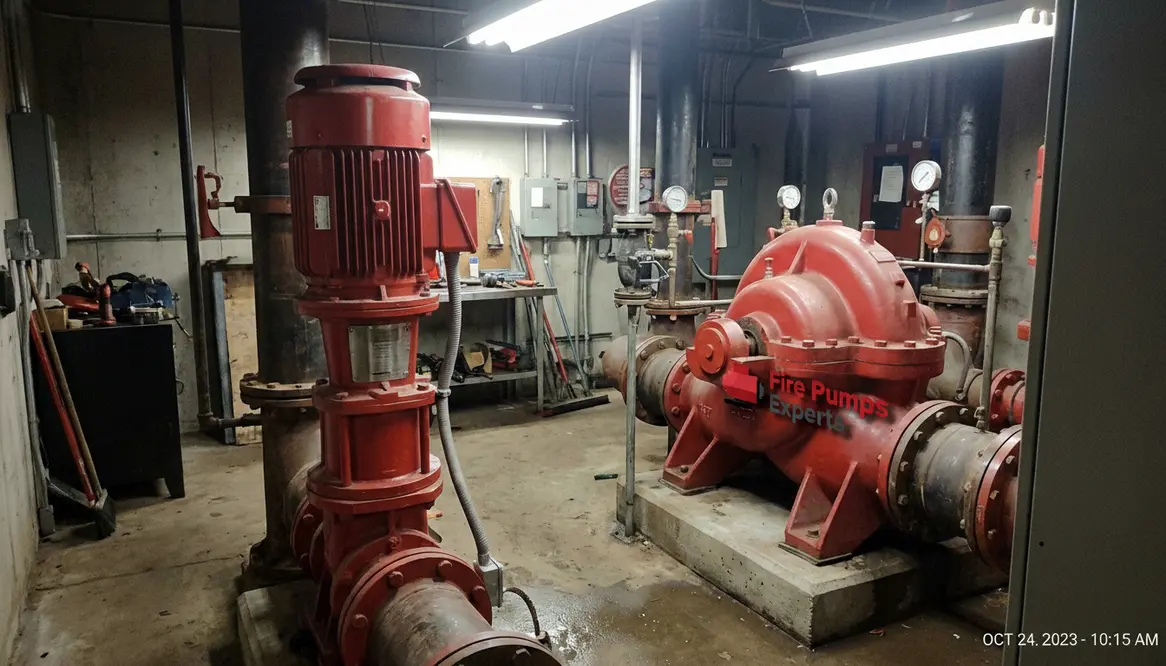
At their core, both pumps aim to do one thing: move water fast and reliably during a fire event. However, they go about it in very different ways. A vertical inline pump sits neatly within the pipeline, like a disciplined soldier standing at attention. It saves space and keeps things compact.
On the other hand, a split case pump spreads out horizontally. It splits open, quite literally, making maintenance easier. Think of it as the SUV of fire pumps. It takes up more room, yet it offers balance, strength, and easy access when you need to get under the hood.
Because of this, I often tell clients that choosing between them is less about which is better and more about what your building demands. After all, even Batman would not use a sports car to climb a mountain.
When Should I Choose a Vertical Inline Fire Pump?
If space feels tighter than a rush hour elevator, the vertical inline pump quickly becomes your best friend. It installs directly into the piping system, which means you avoid building large pump rooms. That alone can be a game changer for high rise buildings and dense commercial facilities.
Moreover, installation tends to be faster. Because of its compact design, you reduce the need for complex alignment. As a result, labor costs often stay lower, and timelines move faster.
However, there is a trade off. Maintenance can be trickier. You do not simply open it up like a book. Instead, technicians often work within tighter confines. So while it shines in space saving, it asks for a bit more patience during servicing.
Performance and Efficiency in Real World Fire Protection Systems
Now let us talk performance, because this is where decisions start to feel real. In the debate of vertical inline fire pump vs split case, both deliver strong flow rates. Yet their efficiency shows up differently over time.
High demand, heavy duty needs
Split case pumps typically handle higher flow demands with greater stability. Their design balances internal forces, which reduces wear. Consequently, they often last longer in large scale industrial settings where demand rarely takes a day off.
Smart efficiency for moderate systems
Meanwhile, vertical inline pumps perform beautifully in moderate flow conditions. They operate efficiently and take up less energy in systems that do not need extreme output. So if your facility does not resemble a small city, this option can make practical sense.
In other words, one is built for endurance under pressure, while the other thrives on smart, efficient design.
Vertical Inline Fire Pump vs Split Case in Installation and Maintenance
Vertical Inline Pump
Pros
- Compact footprint saves valuable floor space
- Simple piping integration
- Lower installation costs
Cons
- Maintenance access can be limited
- Component replacement may take longer
Split Case Pump
Pros
- Easy access for servicing
- Handles high capacity demands
- Long operational lifespan
Cons
- Requires more space
- Higher upfront installation effort
As you can see, neither option is perfect. And honestly, if a machine ever claimed to be perfect, I would check if it also makes coffee. That said, your facility priorities will quickly tip the scale one way or the other.
How Do I Decide for My Commercial or Industrial Building?
I approach this decision by focusing on three things: space, demand, and long term service strategy. First, if your building has limited mechanical room space, the vertical inline option often wins without much debate.
Next, consider water demand. Large industrial plants, data centers, and expansive commercial properties often benefit from the durability of split case pumps. They simply handle sustained loads better.
Finally, think about maintenance. If your team values quick access and minimal downtime, split case designs offer a smoother experience. For deeper insights, I often recommend reviewing guidance from commercial fire pump system experts, especially when planning for large scale facilities.
When you line up these factors, the right choice tends to reveal itself. Not dramatically, of course. More like a quiet nod of agreement.
Cost Considerations Over Time
Upfront costs can mislead people. Vertical inline pumps usually cost less to install, which makes them attractive early on. However, over time, maintenance complexity can add to operational expenses.
Split case pumps, while more expensive at the start, often balance that with easier servicing and longer intervals between major repairs. Therefore, facilities with long life cycles often see better value in the long run.
So yes, one saves money today, while the other may save you headaches tomorrow. And if you have ever dealt with emergency repairs at 2 a.m., you already know which one feels more valuable.
FAQ Quick Answers
Final Thoughts and Next Steps
Choosing between these pumps is not about chasing trends. It is about matching the system to your building’s real needs. If you are planning upgrades or new installations for a commercial or industrial facility, take a closer look at your space, demand, and maintenance goals. Then act with confidence. The right fire pump does not just sit there. It stands ready, quietly, until the moment it matters most.