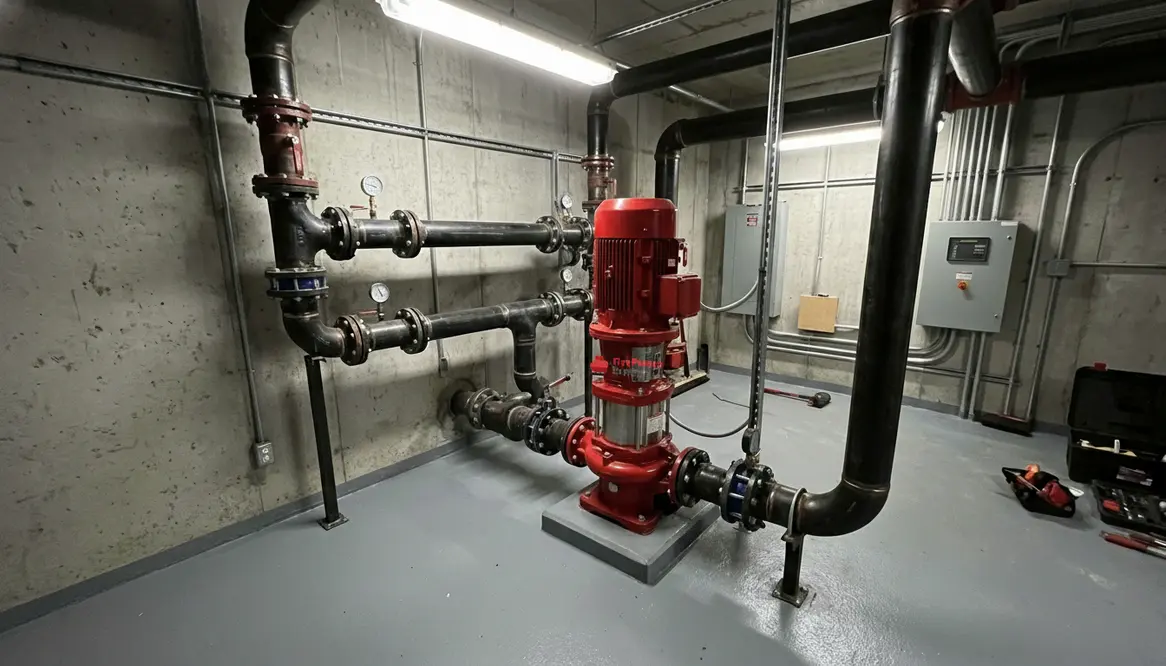
Vertical Inline Fire Pump Installation Guide
I have spent enough time around pump rooms to know this truth: when everything else fails, the fire pump is the quiet hero waiting in the wings. And when it comes to vertical inline fire pump installation, the details are not just technical boxes to check, they are the difference between controlled chaos and total disaster. So let me walk you through it, slowly and clearly, like a steady voice in the dark. Because when the stakes are high, clarity matters.
Understanding Vertical Inline Fire Pump Installation Requirements
First, let’s ground ourselves. A vertical inline pump is exactly what it sounds like. It sits directly in the pipeline, saving floor space while delivering serious performance. However, that simplicity can fool people. Installation is not just “drop it in and walk away.” Not even close.
To begin with, alignment is everything. The pump must sit perfectly in line with the piping system. Otherwise, vibration creeps in, and over time, that vibration becomes your worst enemy. Additionally, you need proper support both above and below the unit. Gravity is patient, and it always wins eventually.
Moreover, commercial and industrial buildings demand compliance with NFPA standards. That means clear access, proper clearances, and a layout that allows maintenance crews to actually reach the equipment without performing acrobatics worthy of a Marvel movie.
How Much Space and Clearance Do I Really Need?
Here is where many installations go sideways. Space planning often gets treated like an afterthought. However, I always say this: if your technician cannot comfortably stand, turn, and work, you have already made a mistake.
You need vertical clearance for motor removal. That is non negotiable. At the same time, you need lateral space for valves, controllers, and testing equipment. In large facilities, I recommend planning for expansion too. Because if your system grows, and it will, squeezing new components into a tight room is like trying to fit into jeans from ten years ago. Technically possible. Emotionally painful.
Furthermore, ventilation matters. These pumps generate heat, and without airflow, you risk overheating critical components. So while the pump may be vertical, your thinking must stay multidimensional.
Critical Piping and Support Considerations
Now we get into the bones of the system. Piping is not just about connecting point A to point B. It is about stability, flow efficiency, and long term reliability.
Key Support Principles
- Anchor pipes independently from the pump
- Use flexible couplings to reduce stress
- Avoid transferring pipe weight onto the pump body
- Ensure proper alignment before tightening connections
Flow Optimization Tips
- Keep suction piping short and straight
- Avoid unnecessary bends near the inlet
- Maintain proper pipe sizing for demand
- Install isolation valves for maintenance access
In addition, poor piping design can cause cavitation. And cavitation is not just a fancy word engineers throw around. It is the sound of your pump slowly destroying itself. Think of it like a bad diet. The damage is gradual, but the outcome is inevitable.
Electrical and Control Integration That Actually Works
Let’s shift gears. Because even the best mechanical setup fails without proper electrical integration. Fire pumps do not get a second chance. They must start instantly and run without hesitation.
Therefore, controllers must meet strict standards and be installed within clear sight of the pump. Backup power is also essential in commercial and industrial environments. Generators must kick in seamlessly, because during an emergency, delays are not just inconvenient. They are dangerous.
Additionally, I always recommend working with trusted resources like commercial fire pump system experts to ensure compliance and performance. Because guessing your way through electrical integration is a gamble you do not want to take.
Inspection, Testing, and Long Term Reliability
Here is the part people love to ignore until something goes wrong. Installation is only the beginning. A proper vertical inline fire pump installation includes a plan for ongoing inspection and testing.
Weekly churn tests, monthly inspections, and annual flow testing are not optional. They are your early warning system. Moreover, gauges, relief valves, and sensors must all remain accessible and functional.
And let me say this plainly. A pump that has not been tested is not reliable. It is just hopeful. And hope is not a strategy, no matter how inspirational the movie soundtrack might be.
Common Mistakes I See Too Often
After years in the field, patterns emerge. Some mistakes show up again and again, like reruns nobody asked for.
- Installing without proper pipe support
- Ignoring clearance requirements
- Skipping alignment checks
- Overlooking ventilation needs
- Failing to plan for maintenance access
However, each of these issues is avoidable with careful planning. And when avoided, they dramatically extend the life of your system while reducing downtime.
Why Vertical Inline Fire Pump Installation Deserves Extra Attention
A lot of trouble starts with the assumption that these pumps are easy. The compact footprint makes them popular, especially where every square foot is already spoken for. But that same space-saving design means your layout, access, and clearances must be thought through with more care, not less.
A solid vertical inline fire pump installation does three things at once: it protects your building, keeps maintenance teams from hating their lives, and gives you the confidence that when alarms sound, the system will respond the way it was supposed to all along.
FAQ
These are the questions that usually come up during planning, installation, and the first few inspections, especially when someone is responsible for a vertical inline fire pump installation for the first time.
Final Thoughts and Your Next Step
If you are planning a fire protection system, do not treat installation like a side quest. It is the main storyline. A properly executed setup ensures performance when it matters most. So take the time, work with experts, and get it right the first time. Because when that pump turns on, you want confidence, not crossed fingers. And trust me, confidence sounds a lot better than sirens.
Give your vertical inline fire pump installation the same level of attention you would give any life safety decision. Clearances, alignment, supports, power, and testing are not just bullet points on a checklist; they are the reasons everyone gets to walk away from an emergency instead of reading about it later.