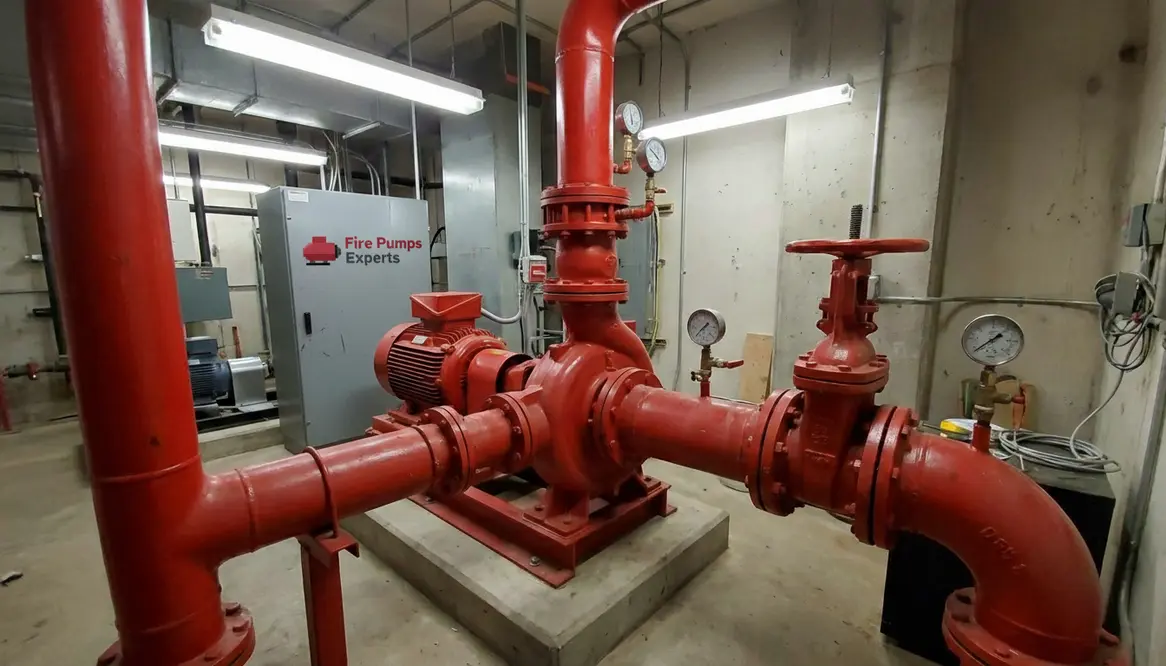
End Suction Fire Pump Benefits and Applications
I have spent enough time around mechanical rooms to know one thing for certain. When everything else fails, the pump had better not. That is where an end suction fire pump quietly earns its reputation. It does not ask for applause. It just delivers water with precision when a commercial or industrial facility needs it most. And trust me, when alarms are ringing, nobody is in the mood for a dramatic plot twist.
So let me walk you through what makes this workhorse so reliable, why it shows up in major buildings, and how it keeps fire protection systems doing their job without fuss or fanfare.
In any fire event, you are not thinking about impeller geometry or casing design. You are thinking about one thing: will water arrive at the right pressure, exactly when it is needed? The end suction fire pump is built to answer that question with a very unexciting, very reassuring “yes.”
Behind the scenes, this compact, hardworking pump anchors entire fire protection strategies for offices, warehouses, hospitals, and more. It is not flashy, but it is the kind of equipment you want on your side when everything else is going wrong.
What is an End Suction Fire Pump and Why Should I Care?
Let me answer this the way I would if we were standing next to one.
An end suction pump pulls water straight into the impeller from one end and pushes it out the top. Simple design, clean flow, no unnecessary drama. Because of that, it fits neatly into fire protection systems across large commercial properties.
Now, why should you care? Because simplicity often means reliability. And in fire protection, reliability is not a luxury. It is the entire point.
Additionally, this type of pump is easier to install and maintain compared to more complex configurations. That means fewer headaches for facility managers and fewer late night calls that start with “something does not sound right.”
Why an end suction fire pump earns its reputation
An end suction fire pump essentially trades unnecessary complexity for solid, repeatable performance. With fewer moving parts and a straightforward flow path, there is less to go wrong when the system is under pressure. That is exactly what you want when a sprinkler head opens and the building expects an instant response.
How It Works Inside a Fire Protection System
Let me slow it down for a second. Picture water entering the pump horizontally. The impeller spins, builds pressure, and redirects that water upward into the discharge pipe. That pressure feeds your sprinkler or standpipe system.
Moreover, the pump works in coordination with controllers, valves, and sensors. Once a pressure drop is detected, the system kicks in automatically. No hesitation. No committee meeting required.
Because of this straightforward flow path, energy loss stays minimal. And when you are protecting a high rise or a manufacturing facility, every bit of efficiency matters.
How the end suction fire pump behaves under real conditions
In a real emergency, an end suction fire pump does not need a human standing over it with a wrench and a hopeful expression. The controller senses a drop in pressure, starts the pump, and the unit pushes water into the system at the required pressure. As long as the pump is sized correctly and maintained, you get consistent, predictable performance without drama.
Where This Pump Fits Best in Commercial Buildings
I would not recommend this pump for every situation, but when the layout fits, it shines.
Ideal applications
- High rise office buildings
- Warehouses and distribution centers
- Manufacturing plants
- Hospitals and data centers
Why it works well
- Compact footprint saves space
- Direct piping simplifies layout
- Lower maintenance complexity
- Reliable pressure delivery
On the other hand, if a system demands extremely high flow rates or complex layouts, other pump types might step in. Still, for many commercial and industrial facilities, this design hits the sweet spot.
Matching the right pump to the right building
The end suction fire pump is especially attractive when mechanical room space is tight but performance requirements are still serious. You get a compact layout, direct suction piping, and an easier path for future maintenance. For many owners, that balance of practicality and reliability is exactly what they are looking for.
Design Advantages That Make Engineers Nod in Approval
Engineers do not get excited easily. However, mention a clean, efficient design and you might see a subtle smile.
First, the horizontal suction and vertical discharge create a logical piping arrangement. That reduces friction loss and keeps performance predictable.
Second, maintenance access is straightforward. Technicians can inspect and service components without dismantling half the system. That alone can save serious downtime.
Additionally, the compact design allows installation in tighter mechanical rooms. And if you have ever tried to fit equipment into a crowded utility space, you know that every inch counts.
For deeper technical insights and standards, I often point people toward fire pump system design resources, especially when planning for large scale commercial properties.
Why engineers keep specifying the end suction fire pump
When engineers see a piece of equipment that delivers required pressure, fits the room, and does not punish the maintenance team, it tends to show up again in future projects. The end suction fire pump has earned that repeat appearance by being dependable, understandable, and serviceable over the long haul.
Common Mistakes I See and How to Avoid Them
Now, let me be honest. The pump itself is rarely the problem. It is how people use it.
One common issue is improper sizing. Bigger is not always better. Oversizing can lead to inefficiency and unstable operation. Think of it like using a fire hose to water a houseplant. Technically effective, but wildly unnecessary.
Another mistake is poor installation alignment. Even a small misalignment can cause vibration and wear over time. Eventually, that “small issue” turns into a very expensive conversation.
Finally, skipping regular testing is a classic misstep. Fire pumps are not decorative equipment. They need routine inspection to ensure they will perform under pressure. Literally.
How to get the best from your end suction fire pump
Start with proper design and sizing, then insist on correct alignment, quality installation practices, and a realistic testing schedule. When those pieces are in place, the end suction fire pump tends to reward you with exactly the kind of performance you want to forget about until the day it is truly needed.
Keeping Performance Consistent Over Time
I always say this. A pump is only as good as its maintenance plan.
Routine testing ensures the system responds correctly during a pressure drop. Additionally, monitoring vibration, temperature, and flow rates helps catch issues early.
Equally important, using trained professionals for inspections keeps everything compliant with safety standards. In large commercial buildings, that is not optional. It is expected.
And yes, documentation matters. Because when inspectors show up, “I think it is working fine” is not the confidence boost anyone is looking for.
Why consistent care pays off
With the right testing and record keeping, an end suction fire pump can deliver reliable performance for many years. That combination of long service life and predictable behavior is exactly why this style of pump remains a favorite in commercial and industrial fire protection.
FAQ: Quick Answers You Can Actually Use
What does an end suction fire pump do?
It moves water into a fire protection system at the required pressure during emergencies.
Where is it typically installed?
In commercial and industrial buildings such as offices, warehouses, and manufacturing facilities.
Is it easy to maintain?
Yes. Its simple design allows easier inspection and servicing compared to more complex pumps.
How does it start?
It activates automatically when system pressure drops, usually triggered by sprinkler activation.
Can it handle high demand systems?
It works well for many applications, but extremely high demand systems may require different pump types.
Final Thoughts and Next Steps
If you are managing a commercial or industrial property, choosing the right fire pump is not just a technical decision. It is a responsibility. The right system protects assets, operations, and lives. If you are evaluating options or upgrading your setup, now is the time to act. Work with experienced professionals, assess your building’s needs, and ensure your system is built to perform when it matters most.
When you step back and look at all the options, the end suction fire pump stands out as a practical, proven choice for many facilities. It offers a mix of simplicity, serviceability, and dependable operation that meshes well with real world budgets and real world maintenance teams. If your building layout and fire protection goals line up with what this pump can deliver, it is well worth putting at the top of your shortlist.