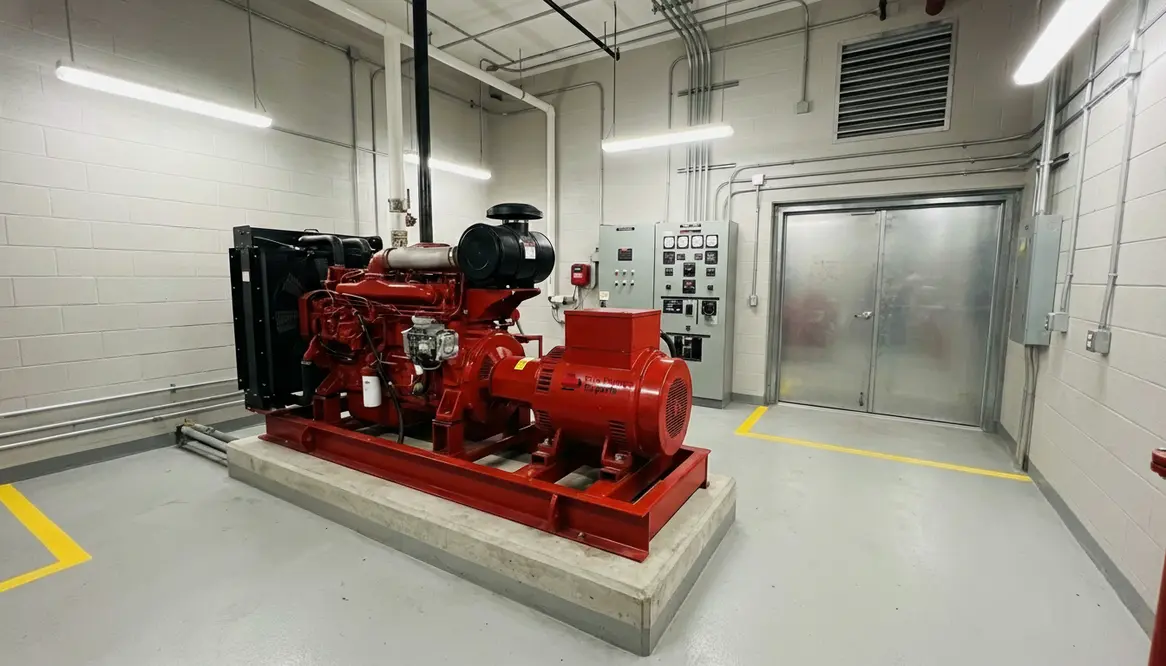
Fire Pump Room Requirements for Safe Design
I have spent years walking through mechanical rooms that most people never see. Quiet spaces, tucked behind thick doors, where one system stands ready to save everything above it. That system depends heavily on proper fire pump room requirements. Within the first few minutes of any inspection, I can tell if a facility takes fire protection seriously or if it is simply checking a box. And yes, much like a good plot twist in a Christopher Nolan film, the details you do not notice at first are often the ones that matter most.
So let me walk you through what truly matters. Not just the rules, but the reasoning behind them. Because once you understand that, everything clicks into place.
What Should a Fire Pump Room Actually Include
I like to think of a fire pump room as the heart of a building’s fire protection system. It needs space, structure, and reliability. First, the room must be dedicated. No storage, no random boxes of holiday decorations, and definitely no forgotten office chairs. I have seen it all, and none of it belongs there.
In addition, the room must provide enough clearance around the pump and controller for maintenance. Technicians need room to move, inspect, and repair without playing a game of human Tetris. Adequate lighting is also essential. If someone cannot clearly see a pressure gauge, that is a problem waiting to happen.
Ventilation plays a key role as well. Fire pumps generate heat, especially diesel driven units. Without proper airflow, temperatures can rise quickly and affect performance. And trust me, a pump that overheats during an emergency is about as useful as a flashlight with no batteries.
Fire Pump Room Requirements That Protect Performance
Now we get into the deeper layer of fire pump room requirements. These are not just suggestions. They are built from decades of lessons learned the hard way.
Access and Location
I always recommend placing the room at ground level with direct exterior access whenever possible. This allows fire crews to reach the system quickly. Moreover, it reduces delays during critical moments. A pump hidden deep inside a maze of corridors is not doing anyone any favors.
Drainage Matters
Water will end up on the floor. It is inevitable. Therefore, proper drainage is not optional. Floor drains and sloped surfaces help prevent flooding that could damage equipment.
Power Reliability
Electric pumps need a dependable power source, often backed by emergency generators. Diesel pumps, on the other hand, require fuel storage and proper exhaust systems. Either way, redundancy is the name of the game.
Temperature Control
Rooms must stay above freezing and within operational limits. Cold weather can quietly disable a system long before anyone notices.
Why Separation and Fire Rating Are Non Negotiable
Here is where things get serious. The fire pump room must be protected from the very thing it is designed to fight. That means fire rated walls, ceilings, and doors.
I often explain it like this. You would not park a getaway car in the middle of a traffic jam. Similarly, you do not place your fire pump in a vulnerable space. The room should be enclosed with a minimum fire resistance rating, ensuring it stays operational even when surrounding areas are compromised.
Additionally, penetrations through walls must be sealed properly. Pipes, cables, and ducts should never weaken the barrier. Every opening is a potential failure point, so attention to detail matters here more than most people realize.
How Do Codes Shape Fire Pump Room Design
Codes and standards guide every aspect of design, and for good reason. Organizations like NFPA set clear expectations based on real world data. If you are managing a commercial or industrial facility, aligning with these standards is not optional. It is essential.
I always advise teams to review professional fire pump system guidelines to stay current. Codes evolve, and what worked ten years ago may not meet today’s expectations.
Furthermore, inspections and testing must be planned from day one. Weekly churn tests, annual flow tests, and routine maintenance all require access and proper layout. A well designed room makes compliance easier. A poorly designed one turns every test into a logistical headache.
Common Mistakes I See Too Often
Even experienced teams can overlook key details. And while I try not to judge, some mistakes make me raise an eyebrow.
- Using the room for storage which restricts access and increases fire risk
- Ignoring ventilation needs especially for diesel engines
- Poor lighting that makes inspections difficult
- Inadequate drainage leading to water damage
- Blocking control panels with pipes or equipment
However, the biggest issue I see is treating the pump room as an afterthought. It should be a priority from the start, not something squeezed into leftover space.
FAQ About Fire Pump Room Design
Over the years, the same questions keep coming up whenever we start talking about fire pump room requirements and practical design choices. Here are clear, straightforward answers.
Final Thoughts That Keep Buildings Safe
I always tell clients that a well designed fire pump room is quiet insurance. You may never see it in action, but when you need it, nothing else matters. If you manage a commercial or industrial property, now is the time to evaluate your setup, refine your design, and ensure every detail meets the highest standard. Keep asking whether your layout, access, separation, and power strategy truly meet modern fire pump room requirements, not just the bare minimum drawn years ago.
Walk the space with fresh eyes. Can crews get in quickly? Can technicians test and service equipment without acrobatics? Are the walls, doors, drainage, ventilation, and power sources aligned with the intent behind the codes, not just the letter of the law? When the moment comes, this room will carry the weight of everything above it. Make sure it is ready, and make sure your fire pump room requirements are treated as a design priority, not an afterthought.