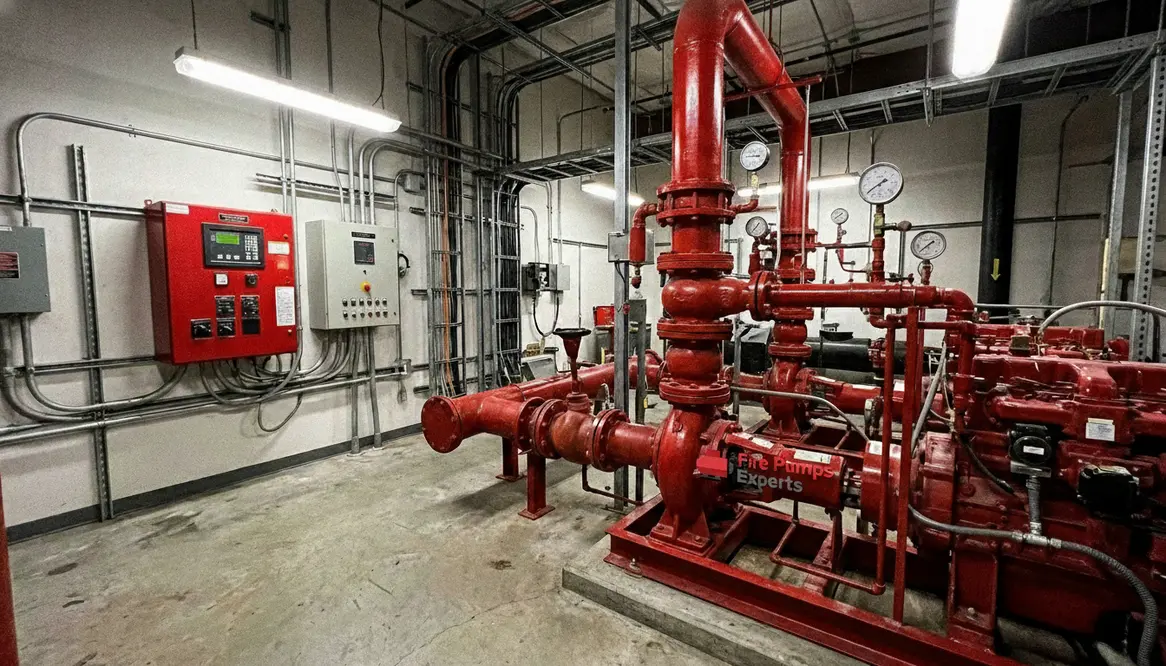
EN 12845 Fire Pump Replacement Planning Guide
I have seen fire pump replacement plans go smooth, and I have seen them go sideways fast. Usually, the difference comes down to timing, testing, and clear thinking. In commercial and industrial buildings, a fire pump is not just another piece of plant room hardware. It supports life safety, protects assets, and keeps your site aligned with EN 12845. So, when I plan a replacement, I treat it like a controlled operation, not a last minute scramble worthy of a bad disaster movie.
In this guide, I will walk you through the practical steps I use for a fire pump replacement plan in major properties and business critical sites. I will keep it direct, useful, and calm, because this job rewards steady hands more than heroic improvisation.
What I check before I replace a fire pump
Before I touch the equipment, I start with the facts. I review the current pump data, system demand, water supply, control panels, and test records. That tells me whether the issue comes from wear, poor sizing, corrosion, repeated faults, or changes in building use. A pump that once suited a warehouse may no longer suit an expanded factory floor or a taller commercial block. Buildings change. Pumps, sadly, do not magically keep up.
I also check the site risk profile. For example, I look at occupancy, fire load, business continuity needs, and any production limits. Then I compare the current set up with the required standard. This step matters because a replacement should not just “fit.” It should match the demand profile of the site and support the full suppression system.
How I build an EN 12845 replacement plan
I build the plan in stages. First, I define the reason for replacement. Next, I confirm the correct pump type, drive arrangement, and duty rating. Then I map the shutdown window, temporary protection, delivery route, lifting needs, and commissioning checks. That order keeps the job stable and avoids the classic “we thought someone else handled that” problem.
I also make sure the replacement path protects the building during the work. If the site cannot shut down fully, I plan temporary fire cover. In larger facilities, that can mean phased work, added monitoring, or short system outages with strict controls. The key is simple: no gap in protection should be left to luck.
Planning EN 12845 replacement for real sites
When I plan EN 12845 replacement work in live buildings, I treat the project as both an engineering task and an operational risk exercise. The pump, drivers, controllers, pipework, and alarms all sit inside someone else’s business, so the plan has to respect both the standard and what actually happens on the site.
That balance starts with the design checks, moves through outage planning and temporary protection, and ends with a clear handover where the new EN 12845 replacement set is tested, documented, and understood by the people who will live with it day to day.
Dual column view of the main planning steps
On the left side, I focus on technical fit.
On the right side, I focus on business impact.
Technical fit checks
- Confirm pump duty and pressure needs
- Check controls, valves, and pipe condition
- Review compliance documents and test history
Business and operations impact
- Plan outage timing around operations
- Protect critical areas during changeover
- Line up commissioning and witness testing
This split keeps the project balanced. After all, the best pump in the world is not much help if the site cannot operate while it gets installed. Even Batman would want a shutdown plan.
Which risks can delay the job?
The most common delay comes from access. Fire pumps often sit in tight plant rooms, lower levels, or service spaces with limited lifting room. If I do not measure everything early, the delivery date becomes a very expensive guess. I also watch for hidden system issues such as weak electrics, damaged suction lines, blocked strainers, or outdated controllers. These problems often appear during removal, which is why I inspect before I commit to the swap.
Another risk is supply chain timing. A replacement pump may need a specific build, and control equipment may have lead times. So, I always confirm availability early. I also keep the client, contractor, and site team aligned on dates. Clear communication saves more time than any fancy tool ever will.
How I keep a site compliant during replacement
Compliance is not a box ticking game. It is the backbone of the whole plan. I keep records of the existing system condition, the chosen replacement, the installation method, and the final test results. I also ensure the new pump is matched to the system design and that commissioning proves it performs as required.
In many cases, I also recommend reviewing related components at the same time. That can include jockey pump condition, pressure switches, isolators, valves, and alarms. If one part is weak, it can drag the whole system down like a band where only the drummer shows up on time. A complete review often saves money later because it avoids repeat callouts and avoidable failures.
Where to get expert help for commercial and industrial sites
For major properties, I always suggest working with a specialist that understands fire pump systems, project constraints, and the demands of EN 12845. If you need support with assessment, EN 12845 replacement planning, or installation for a commercial or industrial facility, I would look for a trusted partner with real experience in business critical buildings. If you want a useful starting point, you can review this commercial fire pump replacement service for more detail on specialist support.
Good EN 12845 replacement work joins clear design, practical access planning, and realistic lead times. It also respects the people on site, from maintenance teams and safety managers to the operations leaders who worry about downtime long after the contractors have gone home.
FAQ
Conclusion
If your site needs a fire pump replacement, I recommend starting now, not after a failure forces your hand. Review the current system, confirm the risk, and build a clear plan that protects operations as well as compliance. Then bring in a specialist who understands commercial and industrial buildings. That way, you keep your project steady, your site protected, and your future headaches to a minimum. And frankly, that is the kind of calm most plant rooms never know they need.