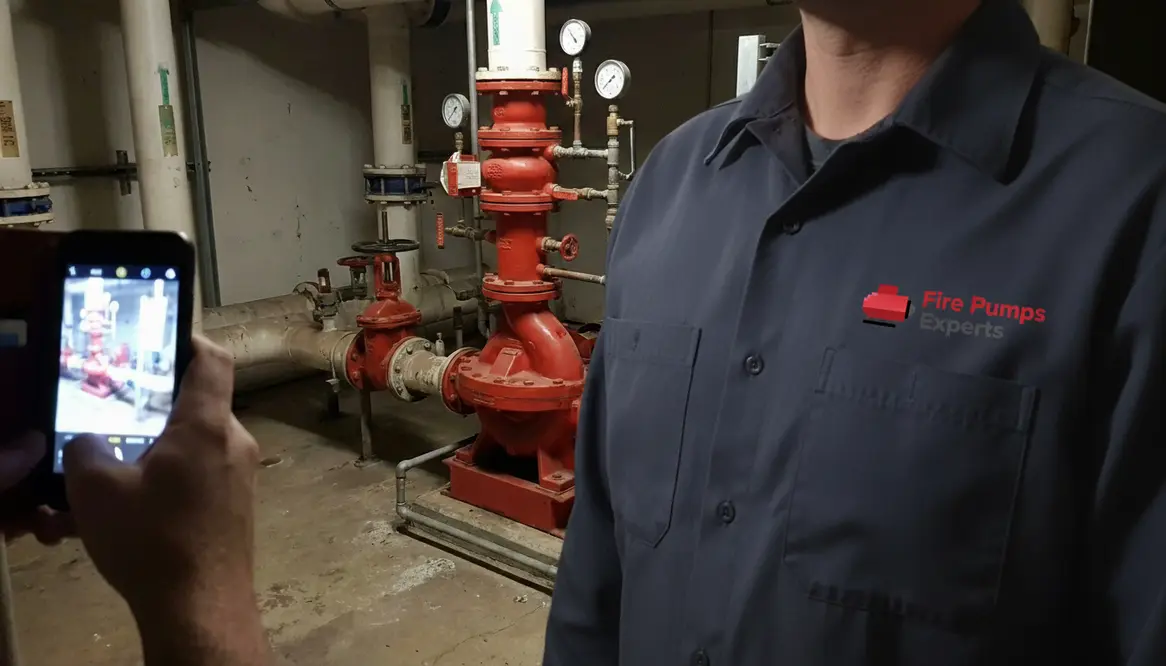
BS EN 12845 Fire Pump Requirements Guide
A practical, straight-talking guide to making BS EN 12845 fire pump requirements work in real commercial and industrial buildings, without the jargon headache.
BS EN 12845 fire pump requirements explained can sound dry at first, but I see it as the heartbeat of a serious fire protection system. For commercial and industrial buildings, and for major property sites, this standard helps me make sure the pump can deliver the right water, at the right pressure, when trouble shows up uninvited. In plain terms, BS EN 12845 requirements guide how I choose, size, test, and maintain the fire pump setup so the sprinkler system does not fold like a cheap lawn chair when it matters most.
Why this guide matters
This is about turning a standard into decisions: which pump to pick, how to feed it with water and power, and how to keep it ready when a fire turns theory into reality.
What BS EN 12845 means for fire pump design
I use BS EN 12845 requirements to keep the fire pump system matched to the building risk. The standard focuses on water supply reliability, pump performance, and the ability to support sprinkler demand during a fire. In a large warehouse, factory, office tower, or mixed use commercial site, this matters because the system must stay steady under pressure. It is not about picking a pump that sounds impressive on paper. It is about choosing one that does the job when the building starts sending distress signals like a Marvel hero in a bad day.
First, I look at the hazard level and the expected water demand. Then I check whether the water source can support the system for the required duration. After that, I confirm the pump type, drive arrangement, and control setup fit the site. A weak link anywhere in that chain can cause a serious problem later, and nobody wants a sprinkler system that acts brave only in the brochure.
BS EN 12845 fire pump requirements for commercial sites
When I work with commercial and industrial facilities, I keep the pump selection tied to real site conditions. The standard expects the fire pump to provide enough flow and pressure for the sprinkler system to operate as designed. That means I must look at the full demand, not just the headline numbers. The duty point, suction conditions, and pump curve all matter. If I ignore those details, I invite trouble, and trouble rarely brings snacks.
Key checks for a compliant pump setup
- Reliable water supply so the pump has enough source water for the required fire duration
- Correct pump sizing to meet system flow and pressure needs
- Automatic starting so the pump comes on without delay
- Safe controller function so the pump can run when power becomes unreliable
- Accessible installation for testing, inspection, and maintenance
Also, I keep the suction conditions in view. A pump can lose performance if the inlet side does not support it properly. That is why I do not treat pipework, tank level, or pump room layout as side notes. They are part of the main story.
How I check pump rooms, power, and water supply
In practice, the pump room can decide whether the system performs smoothly or stumbles. I want enough space around the pump for inspection and service. I also want clear access, proper ventilation, safe drainage, and a layout that lets technicians work without playing hide and seek with the equipment. The room should support both routine checks and emergency operation.
Power supply also deserves serious attention. If the installation uses an electric pump, I confirm the electrical supply is dependable and protected. If the site uses a diesel pump, I check fuel supply, battery condition, and starting reliability. Either way, I want a setup that starts fast and keeps running. The standard pushes me to plan for failure, because fire protection should never rely on optimism. Optimism is nice at birthdays; it is less useful in a plant room.
What testing and maintenance BS EN 12845 expects
I never treat the installation as a one time job. BS EN 12845 requirements call for regular checks and testing so the fire pump stays ready. That includes weekly, monthly, and periodic inspections, depending on the component and site setup. I verify pump start, pressure, water supply condition, controller status, and any fault signs. I also review records, because a silent fault can sit in a logbook like a plot twist in a crime show.
Testing matters because wear builds slowly. Valves can drift, batteries can weaken, and controllers can develop faults that no one sees during a normal working day. Therefore, I make maintenance part of the building routine, not a rescue mission after a failure. Good records also help me spot trends before they become expensive drama.
Dual view of compliance and risk
Below, I keep the idea simple. On one side, the standard asks for technical compliance. On the other side, the site needs real protection. I bridge both by checking the system against actual use.
Compliance focus
Correct sizing, proper installation, dependable power, and verified water supply
Risk focus
Business continuity, asset protection, staff safety, and reduced downtime after an incident
This is why I treat BS EN 12845 requirements as more than a checklist. They shape the full fire strategy for major buildings where loss can hit hard and fast. A well set pump system supports the sprinkler network, and that can make the difference between a small event and a very expensive headline.
Making BS EN 12845 requirements work on real sites
On paper, the clauses look neat and tidy. On site, you have awkward riser positions, clumsy access routes, and existing services that refuse to move. I use BS EN 12845 requirements as the backbone, then work around real-world obstacles without breaking the intent of the standard.
Linking standards, design, and operations
I match the hazard classification, storage type, and occupancy style to the pump duty, check that the water supply is not just sized correctly but also practically maintainable, and make sure the people running the building can realistically carry out the testing schedule without needing a small army.
For deeper technical notes, standards summaries, and example setups, resources like https://firepumps.org can help add context around the core BS EN 12845 requirements you are applying on a specific project.
FAQ: BS EN 12845 fire pump requirements
These are some of the questions I meet most often when applying BS EN 12845 requirements on live projects.
Conclusion
If I want a fire pump system to protect a commercial or industrial property properly, I start with BS EN 12845 requirements and I follow them with care. The standard gives me the structure, but the site details make it work. So I check the pump, the power, the water supply, and the maintenance plan as one system. If you need support for a major property, I recommend reviewing your current setup now, before a fault turns into a very costly lesson.