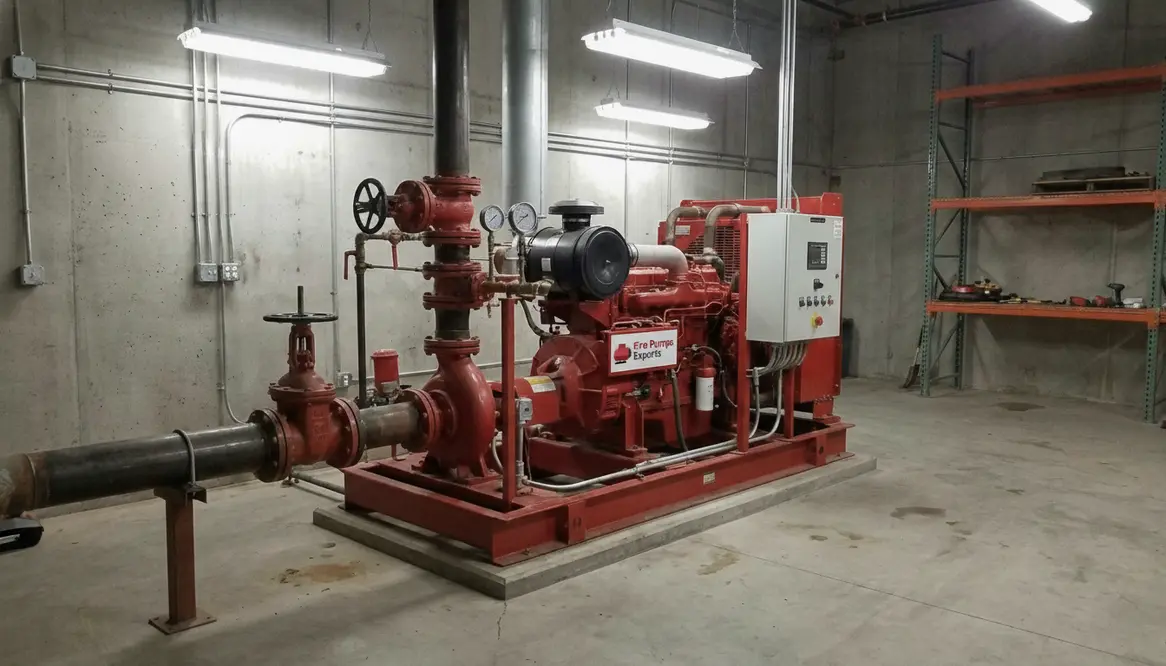
BS EN 12845 Fire Pump Requirements for Warehouses
When I talk about BS EN 12845 warehouses, I am talking about a very real safety job for large commercial and industrial spaces. Warehouses do not forgive delays. They hold stock, equipment, and sometimes enough value to make a finance team sit up straight. So, when a fire starts, the pump system must wake up fast and feed the sprinkler network with steady pressure. In this article, I will walk through the fire pump requirements that matter most, and I will keep it practical, clear, and focused on major property buildings where uptime, compliance, and protection all matter.
What BS EN 12845 expects from a warehouse fire pump
First, I want to make one thing clear. A fire pump in this standard is not a nice extra. It is part of the system that helps sprinklers do their job when water supply alone is not enough. For warehouses, that matters because large floor areas, high storage racks, and fast fire spread can turn a small issue into a very expensive headline.
BS EN 12845 expects the pump to provide the right pressure and flow for the sprinkler system under fire conditions. In simple terms, it must push enough water, for long enough, when the building needs it most. Also, the design must match the hazard level, water demand, and layout of the site. A small storage unit and a massive distribution centre do not play the same game. One needs a light touch. The other needs serious muscle.
The standard also looks at reliability. That means the pump must start without drama, keep running, and stay supported by a proper water source, controls, and power supply. If the pump fails, the whole sprinkler system starts acting like a hero without a cape. Not ideal.
Fire pump types and how I choose the right one
In warehouse projects, I usually look at the pump type based on the water supply and the building risk. The main options are electric pumps, diesel pumps, and sometimes jockey pumps. Each has its place.
An electric pump works well where the power supply is stable and protected. A diesel pump adds backup where loss of mains power could leave the site exposed. Meanwhile, the jockey pump keeps pressure steady and reduces unnecessary starts of the main pump. That small detail matters more than people think. It helps the system stay calm instead of cycling like a caffeinated squirrel.
Quick comparison of fire pump options
Electric pump
- Best where reliable power is available
- Cleaner daily operation
- Often easier to maintain
Diesel pump
- Best where backup independence is needed
- Strong resilience during power loss
- Needs fuel checks and engine care
I always match the pump choice to the building’s fire risk, water source, and site resilience plan. That is the part where design meets reality, and reality tends to be a bit rude if ignored.
How I check water supply, pressure, and flow
The pump cannot perform magic. It can only work with the water source behind it. So, I always check the supply before I look at anything else. For BS EN 12845 warehouses, the system must have enough water volume, enough pressure, and enough duration to meet sprinkler demand for the full hazard scenario.
That means I review:
- Water storage capacity so the system can run for the required time
- Available flow so the sprinklers receive the right amount of water
- Static and residual pressure so the pump starts from a real baseline, not a wish
- Supply stability so changes in demand do not break performance
Designing for the worst sprinkler location
Also, I look at friction loss in the pipework. Long warehouse runs can eat pressure fast, especially in big sites with tall racking or wide travel distances. So, the pump must overcome those losses and still deliver enough at the farthest sprinkler. That is where careful design earns its keep.
Why pump room layout and controls matter
The pump room is not just a box with noisy equipment in it. It is the nerve centre of the fire water system. I want it dry, secure, accessible, and easy to inspect. In warehouse environments, that matters because dust, vibration, heat, and poor access can quietly wreck performance over time.
BS EN 12845 also expects the pump controls to support reliable automatic start. So, I check that the controls are clear, protected, and tested. The alarm signals must work too, because the building team needs to know when the system has started or when a fault appears. A silent fault is the sort of surprise nobody wants.
Keeping the pump room working, not crowded
On top of that, I make sure the pump room supports maintenance access. Technicians should reach valves, panels, and engine parts without climbing over stored junk. Warehouses already have enough boxes. The pump room should not become one.
Inspection, testing, and maintenance for long term compliance
A compliant pump today can become a weak point tomorrow if nobody tests it. That is why regular checks matter so much. I always treat inspection and maintenance as part of the system, not an afterthought.
For warehouse fire pump systems, I look for:
- Weekly start checks and visual inspections
- Routine pressure and flow testing
- Fuel checks for diesel units
- Battery and starter checks
- Valve position checks and leak reviews
- Log records that prove the system stays in service
Why routine checks protect BS EN 12845 warehouses
These checks help spot small problems before they become big ones. And in large commercial properties, that saves time, money, and headaches. Plus, it keeps the compliance paper trail tidy, which is never a bad thing when auditors come knocking.
If you want deeper guidance on compliant fire pump systems for large sites, I recommend reviewing commercial fire pump solutions for industrial properties as a useful reference point.
FAQ: BS EN 12845 fire pump requirements for warehouses
Bringing BS EN 12845 warehouses up to standard
When I design or review fire protection for warehouses, I focus on performance, not guesswork. A compliant pump system protects stock, staff, and operations, while also helping the building meet BS EN 12845 expectations. If you manage a large commercial or industrial property, now is the right time to check your fire pump setup. Reach out, review the system, and make sure your warehouse is ready before it ever needs to prove it. The goal for BS EN 12845 warehouses is simple: a pump that starts when it should, delivers what it must, and keeps working until the fire is out.