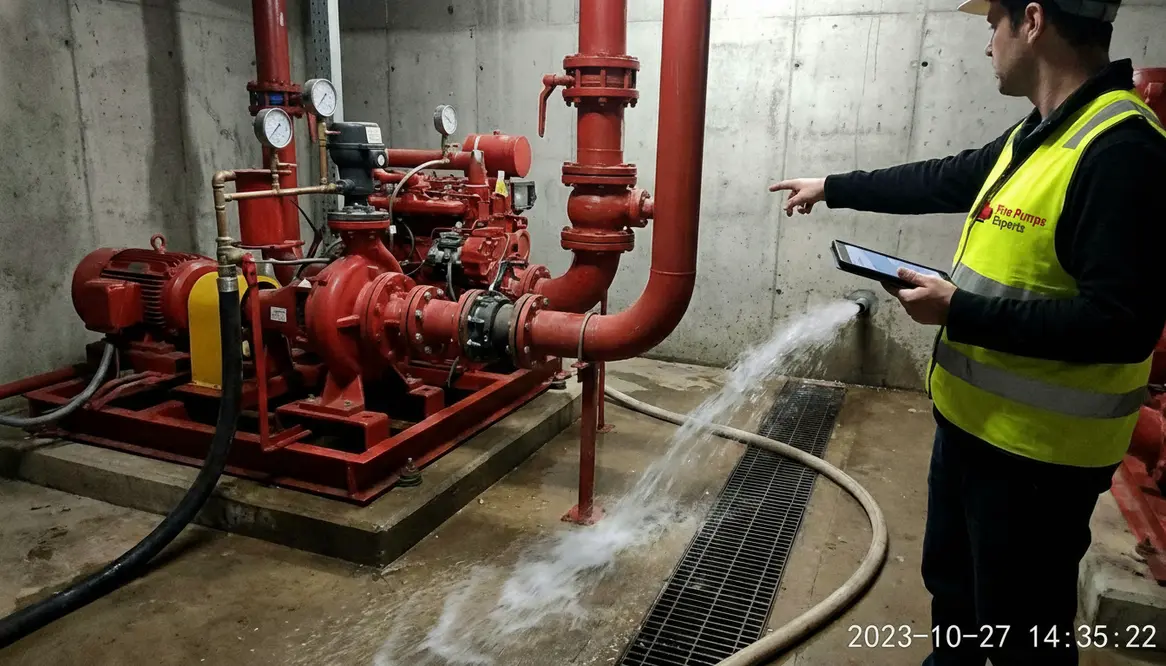
LPS 1131 Fire Pump Testing Methods Explained
When I talk about LPS 1131 fire pump testing methods, I am talking about the kind of work that keeps commercial and industrial buildings ready when the heat is on, and not in the fun way. In a major property, a fire pump is not just another machine sitting in the back room like a forgotten prop from a sci fi movie. It is a key part of fire protection, and it must perform on cue. That is why I treat testing as a serious, repeatable process. Done right, it helps confirm that the pump, controller, power source, and water supply can work together under real demand.
In this guide, I will walk through the main testing methods, what each one checks, and how I think building teams can use them to stay ready without wasting time or money. Because no one wants a fire drill that turns into a real drama.
What LPS 1131 Fire Pump Testing Checks
First, I focus on what the test is meant to prove. LPS 1131 fire pump testing checks that the pump can deliver the right flow and pressure when the system needs it most. It also helps confirm that the pump starts fast, runs smooth, and responds the way the design expects.
For commercial and industrial sites, this matters more than most people think. A pump can look fine on paper, yet still struggle under load. So, I look at more than one detail. I check output, suction conditions, controller action, power transfer, and the stability of the full system. In short, I want the test to answer one simple question: Will this pump do its job when nobody has time for surprises?
There are three main ideas behind the test process:
- Confirm the pump starts and runs correctly
- Measure how well it holds pressure and flow
- Spot weak points before they become expensive problems
That sounds simple, yet the value is huge. A clean test record can support safer operations, better planning, and fewer late night calls that begin with, “You need to come in right now.”
How I Use the Main Testing Methods
Now let me get into the actual methods. When I review fire pump testing methods for LPS 1131, I usually look at them in a logical order. Each one tells a different part of the story, and together they give a full picture of pump health.
1. Churn Test
This test runs the pump with no water demand on the system. I use it to see how the pump starts, how it sounds, and whether it holds steady pressure. It is a basic check, but it still matters. A pump that cannot behave at churn is already waving a tiny red flag.
2. Flow Test
This is where I measure actual performance under demand. I compare flow and pressure at different points to see whether the pump meets its rated curve. If the numbers drift too far, I know I need to look deeper. This test gives the clearest view of real world performance, and it is the one that usually gets the most attention.
3. Weekly or Routine Functional Check
For active facilities, I like a routine check between full tests. This does not replace a proper performance test, but it helps catch issues early. I verify starting behavior, alarms, controller response, and visible leaks. It is a small effort that can save a very large headache.
4. Full Performance Verification
When I need a deeper look, I run a full verification test. This checks the pump across operating points and helps confirm that the system still meets the needs of the site. For major properties, this step is often the difference between “looks fine” and “we have proof.”
Fire Pump Testing Methods Compared Side by Side
Sometimes a simple comparison helps more than a long speech. So, here is how I think about the main methods.
| Method | Main Purpose | Best Use |
| Churn Test | Checks startup and idle pressure | Quick system health review |
| Flow Test | Checks output under load | Performance verification |
| Routine Check | Looks for obvious faults | Between major test cycles |
| Full Verification | Confirms full system performance | High value commercial and industrial sites |
As you can see, each method has a role. However, I never treat one test as a magic answer. Real confidence comes from using the right method at the right time. That is the difference between guessing and knowing. And honestly, guessing with fire protection is a poor hobby.
What I Look for During LPS 1131 Testing
During LPS 1131 testing, I pay close attention to the small signs that often point to bigger issues. A pump may still run, and yet it may not run well. That is where skill matters.
I watch for these signs:
- Poor startup or delay in starting
- Low pressure at rated demand
- Unstable flow or pressure swings
- Leaks at seals, fittings, or valves
- Unusual noise, heat, or vibration
- Controller or power transfer problems
Moreover, I pay attention to the water supply. A strong pump cannot fix a weak supply. If suction drops or the source cannot keep up, the whole system suffers. That is why I never look at the pump alone. I look at the full setup, from supply to discharge, because a chain is only as good as its weakest link. Yes, that line has been used a lot, but it still works. Like a good tie or a solid coffee machine.
How I Keep Testing Clear and Useful
Good testing is not only about numbers. It is also about clean records, clear steps, and simple follow up. So, I always recommend a steady process for commercial and industrial facilities. When the test is done, the team should know what passed, what needs work, and what should happen next.
I also think timing matters. If a site has busy operations, I plan testing so it reduces disruption while still giving accurate results. That balance helps building teams stay focused on business without cutting corners on safety. For a useful outside reference on program planning and equipment care, I suggest reviewing the firepump testing and protection resource for commercial properties. It fits well with broader fire pump management and supports major building operations.
In the end, the goal is not just to pass a test. The goal is to know the pump will perform when real pressure arrives, and nobody wants to meet that moment unprepared. LPS 1131 testing, applied with a clear plan and solid records, becomes less of a chore and more of a strategic tool for keeping fire protection sharp.
FAQ
Ready to Improve Your Fire Pump Confidence?
If you manage a commercial or industrial property, do not wait for a problem to expose a weak pump. I recommend reviewing your testing plan, checking your records, and making sure every step supports real performance. LPS 1131 fire pump testing gives you the proof you need, and the peace of mind your building deserves. Take action now, schedule a proper review, and keep your fire protection ready for the moment it matters most.