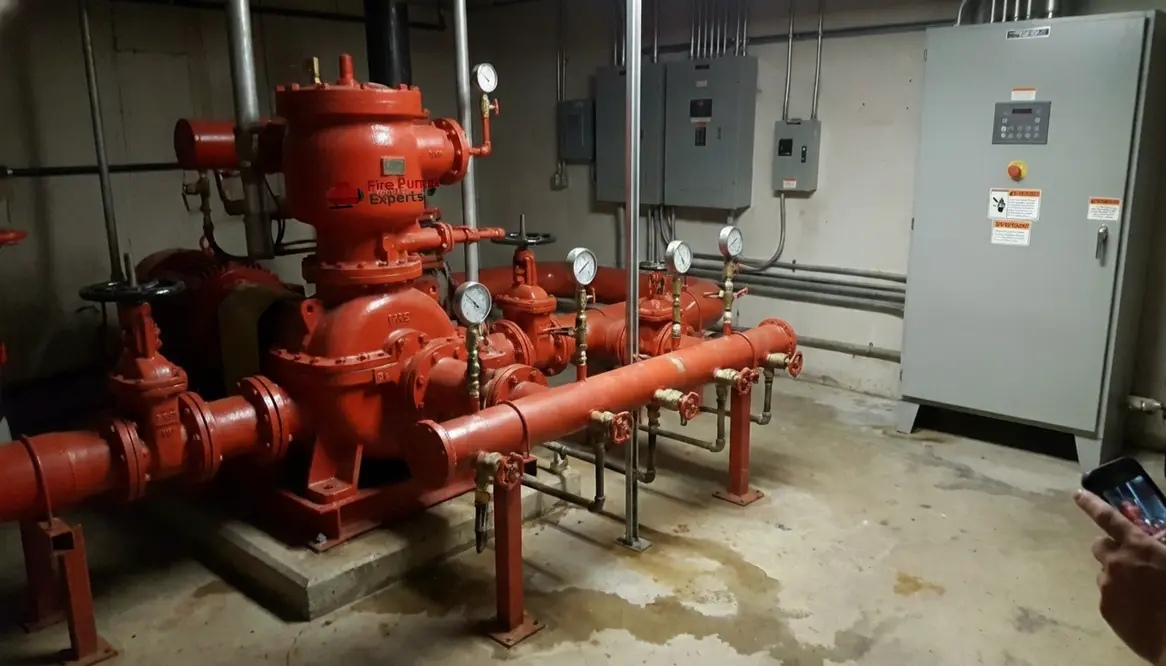
LPS 1131 Pump Certification for Sprinkler Systems
When I talk about LPS 1131 sprinkler systems, I am talking about more than a box to tick on a project sheet. I am talking about fire protection that must work when the pressure rises and the room gets quiet in that very serious way only emergencies can manage.
For commercial and industrial facilities, and for major property buildings, LPS 1131 pump certification gives me a clear path to trusted sprinkler performance. It helps me prove that the pump, the system, and the installation can do the job without drama. And frankly, in fire protection, drama belongs in movies, not in the pump room.
In this article, I will walk through what the certification means, why it matters, how I approach compliance, and what facility teams should know before they sign off on a sprinkler installation. If you manage a warehouse, a plant, a tower, or another large site, this is the kind of information that keeps your system ready and your risks lower.
The LPS 1131 sprinkler landscape can feel technical from the outside, but from a risk and responsibility point of view it is really about one thing: when something ignites, the pump must deliver water with no excuses and no second chances.
What LPS 1131 certification means for sprinkler pump systems
LPS 1131 pump certification tells me that a sprinkler pump meets a strict standard for fire protection use. It focuses on how the pump performs, how it is built, and how it supports sprinkler systems in real world conditions. That matters because a sprinkler system is only as strong as the water supply behind it.
For me, the value sits in the proof. Certification gives owners, consultants, and installers confidence that the pump can handle the demands of a commercial fire system. It also supports better project planning, because I know the equipment has already been tested against a clear benchmark. In other words, I do not have to cross my fingers and hope the pump feels inspired on the day of a fire.
For large buildings and industrial sites, that confidence is not a luxury. It is part of responsible risk control, especially when the LPS 1131 sprinkler standard is written into the fire strategy, insurance conditions, or client specifications.
Key outcomes of certification
- Verified performance at specific duty points and pressures
- Assurance that materials and construction suit fire duty
- Documented testing routes that insurers and authorities recognize
- A common language between designers, installers, and reviewers
What it is not
- It is not a promise that the whole system is well designed
- It is not a substitute for hydraulic calculations
- It is not a free pass to skip maintenance or testing
- It is not a guarantee that bad installation work will behave well
Why commercial properties need LPS 1131 sprinkler certification
Commercial and industrial facilities face bigger fire loads, longer escape routes, and more complex water needs than smaller buildings. Because of that, I treat pump certification as a serious part of site safety. A sprinkler system may look simple from the outside, but it depends on steady pressure, correct flow, and dependable pump response.
Here is why I value certification in these settings:
- First, it supports compliance with fire protection expectations across large sites.
- Next, it reduces installation doubt, since the pump already fits a recognized standard.
- Also, it helps teams document that the system suits the building use.
- Finally, it can make maintenance easier, because certified equipment often comes with clearer records and better traceability.
In a plant or major property, one weak link can turn a routine inspection into a problem with a very bad day attached to it. Certification helps me reduce that risk before anyone has to test the system under stress. With an LPS 1131 sprinkler pump sitting at the heart of the installation, I know the water delivery piece is backed by a defined and recognized standard.
Risk, insurance, and real-world expectations
Fire engineering reports, insurance surveys, and local regulations often converge on one thing: prove the system will work. Certified pumps make that conversation easier. Instead of debating opinions, I can point to a known certification route and provide documents, test sheets, and product data that speak the same language as inspectors and underwriters.
How I check compliance during sprinkler pump installation
When I review an installation, I look at more than the pump label. I check the full setup because fire protection lives in the details. I want the pump, controls, power supply, pipework, and test points to work together as one system.
Dual columns for quick project review
What I check
- Pump rating and duty fit for the building need
- Certification records and product documents
- Controller setup and power supply stability
- Suction and discharge arrangement
- Test flow and pressure results
Why it matters
- It confirms the pump can support the sprinkler demand
- It gives a paper trail for owners and inspectors
- It lowers the chance of control faults
- It helps the system perform as designed
- It shows the installation can stand up to review
I also pay attention to the commissioning stage, because that is where theory meets reality. The pump may look perfect in the shop, but the building decides the final story. So I test, verify, and document everything carefully. That approach keeps surprises to a minimum, and surprises are best left to birthday parties.
A solid commissioning pack for an LPS 1131 sprinkler installation becomes priceless when the next audit, insurance renewal, or system modification arrives. The better the records, the easier it is to defend decisions made years earlier.
What facility managers should ask before approval
If I were sitting across from a facility manager, I would tell them to ask direct questions before signing off on the system. Not because I love paperwork, though I do respect a tidy file, but because clear answers protect the site.
Ask these things:
- Is the pump certified for sprinkler use in this type of building? That answer should come with evidence, not just confidence and a firm handshake.
- Does the install match the pump duty and site demand? If the building is large, the pump must suit the load.
- Are the test results documented? I want flow, pressure, and commissioning notes that show the system works.
- Who will maintain the pump after handover? Certification helps at install time, but ongoing care keeps the system ready.
- Can the supplier explain the certification path? If the answer sounds like a plot twist from a crime show, I keep asking.
Turning questions into a practical checklist
These questions help me stay focused on performance, not sales talk. And in my experience, the strongest projects begin with plain answers. When a manager can point to the LPS 1131 sprinkler certification, the test sheets, and the maintenance plan in one neat folder, future audits become discussions, not interrogations.
If you ever need an external reference point or want to explore design guidance beyond your own files, sites like https://firepumps.org can also support discussion around best practice and pump selection.
FAQ about LPS 1131 pump certification
Facility teams tend to ask similar questions when they first encounter LPS 1131 pump certification on a specification. It helps to keep the answers short, direct, and ready for the next design review meeting.
Conclusion
When I choose LPS 1131 sprinkler pump certification for a commercial or industrial project, I choose confidence, clear proof, and better fire protection. It helps me support safe design, cleaner installation, and stronger long term performance.
If you manage a major property or large facility, now is the time to review your sprinkler pump setup, confirm the certification path, and make sure your system is ready before it is ever needed. Your building deserves that level of care, and your peace of mind does too.
A well documented, properly commissioned LPS 1131 sprinkler installation does not guarantee that a fire will be easy, but it does mean you have given the building and everyone inside it a far better chance when it matters.