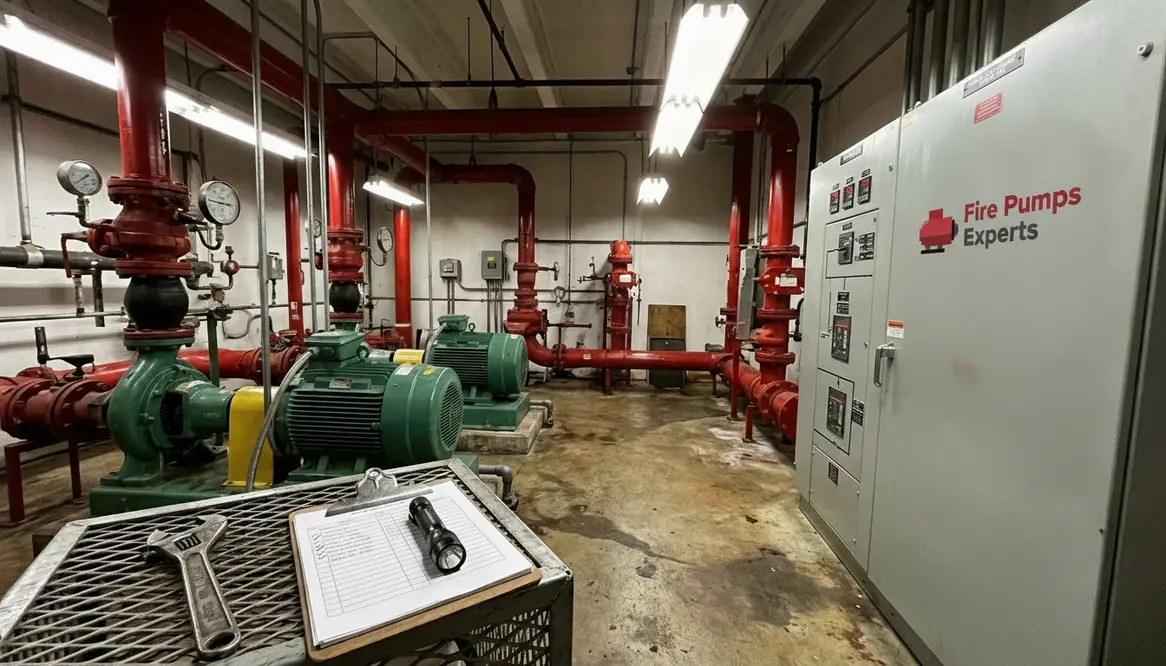
LPC Rules Fire Pump System Upgrade for Compliance
LPC Rules Fire Pump System Upgrade Guide
I have seen enough fire pump rooms to know this much: when a commercial or industrial property starts asking hard questions about water pressure, reliability, and code compliance, the conversation gets real fast. That is where an LPC Rules upgrade enters the scene. It is not just a hardware swap. It is a smart move for major facilities that need a fire pump system to perform when the stakes are high and the clock is unforgiving. In plain terms, I focus on helping building owners and facility teams bring older systems up to standard without turning the process into a circus. And yes, the pump room still will not care about your excuses.
Why I Start With an LPC Rules Upgrade Assessment
Before I touch a pump or change a valve, I check what the building actually needs. In a commercial or industrial setting, every property has its own load, risk, and water supply story. So, I look at the current pump capacity, suction conditions, controller status, and the layout of the fire protection network. Then I compare that against the current LPC Rules upgrade needs. This first step matters because a weak assessment can lead to a bad design, and a bad design in fire protection is about as useful as a screen door on a submarine.
I also look for signs that the system has aged out of its best work. For example, I watch for poor pressure delivery, worn parts, unstable start performance, and weak backup support. Therefore, I do not treat an upgrade like a quick tune up. I treat it like a full review of how the building will behave when real heat, smoke, and pressure issues hit at once.
What I Check Before I Upgrade Fire Pump Systems
Here is the quick version of my pre upgrade work:
System Area | What I Check
Fire pump | Flow, pressure, motor condition, and start reliability
Controller | Alarms, power supply, and automatic start logic
Jockey pump | Pressure support and cycling behavior
Pipes and valves | Corrosion, leaks, and sizing issues
Water source | Tank level, suction line health, and supply stability
Why this review matters
This kind of review helps me avoid guesswork. As a result, I can see whether the building needs a partial fix or a larger LPC Rules upgrade plan.
Also, it keeps the project focused on the parts that truly affect life safety and uptime.
How I Plan the Fire Pump System Upgrade
Once I know the system gaps, I build the upgrade plan around the facility’s real risk. A warehouse, factory, data hall, or large office tower does not need a one size fits all approach. Instead, I match the pump size, controller type, and support equipment to the building’s demand and the site conditions. That way, the upgrade serves the building rather than forcing the building to adapt to a poor choice.
During this stage, I also think about future needs. For example, if the site is expanding or changing use, I want the upgraded system to hold up later, not just pass inspection now. Therefore, I look beyond today’s minimum and think about durability, service access, and spare parts. Nobody wants to redo a major upgrade early. That is the kind of surprise that belongs in a bad sequel, not in a plant room.
How I Handle LPC Rules Compliance During Installation
When I move into installation, I keep the work clean, steady, and documented. I make sure the pump, controller, fittings, and support lines fit the approved design. Then I verify alignment, wiring, and connections before I move toward testing. An LPC Rules upgrade should support both code needs and daily reliability, so I do not rush the details. Little problems often show up later as big problems, and fire systems have a habit of exposing shortcuts at the worst possible moment.
Furthermore, I make room for proper records. In a commercial or industrial property, paperwork is not fluff. It supports inspections, maintenance, and future service work. So, I keep clear notes on parts used, changes made, and test results. This helps the facility team stay ready for audits and keeps the system easier to manage over time.
Testing and Commissioning for Commercial and Industrial Facilities
After installation, I test the system under real conditions as closely as the site allows. I check starting pressure, pump performance, alarm response, and overall system stability. I also confirm that the pump responds correctly when demand increases. This is where the upgrade proves itself. If a system looks perfect but stumbles in testing, then it is not ready. A polished panel and a confident grin do not stop a fire.
I also review how the system behaves with the rest of the fire protection setup. For major properties, the pump must work with sprinklers, tanks, valves, and alarms as one unit. Therefore, I do not judge the upgrade by one part alone. I judge it by the whole chain. If one link fails, the chain gets moody fast.
Why Ongoing Maintenance Protects the Upgrade
Once the LPC Rules upgrade is complete, the work does not end. In fact, this is where long term value begins. I always push for a steady maintenance plan because pumps age, seals wear, and controls drift over time. Routine checks help catch small issues before they grow teeth.
That means I look at test logs, service intervals, water supply changes, and any new wear in the pump room. In addition, I keep the team aware of what to watch for between visits. A good upgrade should make the system stronger, but a good maintenance plan keeps it that way. Otherwise, even the best equipment can become a very expensive decoration.
FAQ
Conclusion
If you manage a commercial or industrial property, I want you to treat a fire pump system upgrade as a serious investment in safety and uptime. An LPC Rules upgrade can protect your building, support compliance, and reduce risk when the pressure rises, which is exactly when you need the system to behave like a pro. If your pump room has aging equipment or weak performance, I suggest taking the next step now and scheduling a proper review before a small issue turns into a very loud problem.
If you are unsure where to start, compare your current setup against recent inspection notes and your facility\u2019s risk profile, then plan an LPC Rules upgrade assessment that looks at both performance and long term maintainability instead of chasing single faults one at a time.