FM Data Sheet 3 7 Fire Protection Pumps Guide
FM Data Sheet 3 7 Fire Protection Pumps Explained
When I look at fire protection for commercial and industrial properties, I always come back to one thing: reliability under pressure. That is where the FM DS 3 7 fire pump enters the story. It supports the water supply when a building’s system needs more flow or pressure than the main source can deliver. In plain terms, it helps keep sprinklers and standpipe systems ready when the heat is on. And yes, it sounds a bit like the unsung hero in a disaster movie, because it is. Quiet, steady, and very hard to impress until the moment it matters.
In this article, I explain how FM Data Sheet 3 7 shapes fire pump design, why it matters for large facilities, and what I would focus on when reviewing a system. I keep this practical, because nobody wants a safety topic that reads like a legal sleep aid.
What FM Data Sheet 3 7 means for commercial fire protection
FM Data Sheet 3 7 gives guidance for fire pump installation, design, testing, and protection in high value properties. I use it as a roadmap for reducing risk in places where fire loss could hit hard, such as warehouses, plants, distribution centers, data centers, and major buildings. It does not exist to decorate a binder. It exists to help engineers, owners, and facility teams make smarter choices.
At the core, the data sheet focuses on dependable water delivery. Therefore, it looks at pump size, power supply, water source, suction conditions, and room layout. It also helps guide protection against common issues like overheating, flooding, vibration, and blocked access. In other words, it asks the hard questions before the fire does.
How the FM DS 3 7 fire pump works in a real system
The FM DS 3 7 fire pump starts when the system senses pressure loss. Then it boosts water flow so sprinklers or standpipes can do their job. I like to think of it as the backup singer who suddenly has to lead the whole show. If the water main cannot keep up, the pump steps in and keeps the system stable.
Simple chain of action
- The fire protection system detects a drop in pressure
- The pump starts automatically
- Water moves from the source through the pump
- Pressure rises to meet system demand
- The system continues until the fire event ends or manual shutdown occurs
That sounds simple, but the setup behind it is not. The pump must match the building’s hazard level, water demand, and layout. If any part falls short, the entire system can struggle when life and property are on the line.
What I check in pump room design and layout
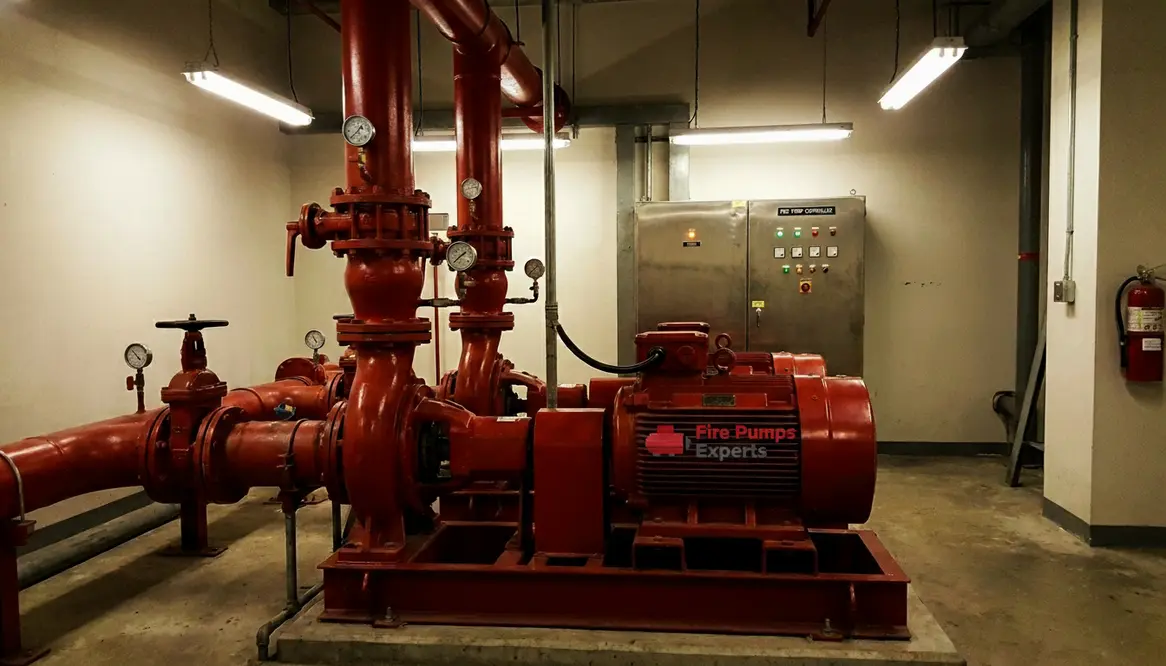
When I review pump room design, I look at more than just the pump itself. I look at space, access, heat, drainage, and service clearances. A well placed pump room makes inspections easier and helps the equipment last longer. A cramped room, on the other hand, turns basic maintenance into a full contact sport.
Access and survivability
For commercial and industrial sites, I want a pump room that allows safe access for testing, repair, and emergency response. I also want proper ventilation, reliable power, and protection from water damage. If the room floods easily, then the pump may become a very expensive paperweight. That is not ideal, even if the building manager has a strong sense of humor.
Quick risk snapshot
- Clear paths for maintenance and emergency crews
- Ventilation that matches pump and driver heat output
- Drainage that keeps the pump and controller out of standing water
- Physical protection from impact and nearby hazards
FM fire pump review checklist for owners and facility teams
This quick review helps me spot weak points before they become costly problems. Also, it keeps the system from becoming one of those “we thought it was fine” stories that always end badly.
| Area | What I look for |
| Pump capacity | Enough flow and pressure for the building demand |
| Water supply | Stable source with proper suction conditions |
| Power supply | Reliable electricity or approved backup arrangement |
| Room conditions | Dry, accessible, ventilated, and easy to service |
| Testing | Regular runs and documented performance checks |
Why testing and maintenance matter for large buildings
Testing keeps the fire pump honest. I do not say that to be cute. I say it because equipment can drift over time. Bearings wear, valves age, electrical parts fail, and water supply conditions change. Therefore, routine testing helps prove the pump still meets the required performance.
For large properties, I always treat maintenance as part of risk control, not as a box to check. A pump that sits unused until an emergency may still look perfect, yet fail under load. That is why inspection schedules, start tests, flow checks, and record keeping matter. They show whether the system can still do the job, not just whether it looks nice in a room no one visits unless something is wrong.
How I use FM guidance to make better decisions
I use FM guidance to guide better planning during design, upgrades, and renovations. For example, if a facility expands production or adds stored goods, the fire pump demand may change. Also, if the water supply shifts or new hazards appear, the system may need review. FM Data Sheet 3 7 helps me ask the right questions before a small change becomes a large risk.
Seeing the whole protection picture
In practice, this means I look at the whole protection picture, not just one piece. The pump, water source, alarm response, and system layout all work together. When they align, the site gets stronger protection. When they do not, the best pump in the world cannot save a weak design. Even Iron Man would need a decent power source.
Where the FM DS 3-7 fire pump fits into your strategy
For major properties, I treat the FM DS 3-7 fire pump as the anchor of the water-based protection strategy. It is the piece that turns a marginal water supply into a dependable backbone for sprinklers and standpipes, especially when operations grow faster than the original infrastructure ever planned for.
That means aligning pump selection, controls, and power with what is actually happening in the building: storage heights, process lines, expansion plans, and how quickly people and responders can reach a fire. The FM DS 3-7 fire pump is not just a code answer; it is a performance answer when the fire starts asking hard questions.
FAQ
Conclusion
If I want a fire protection system to perform when it counts, I start with the FM DS 3 7 fire pump and the guidance around it. For commercial and industrial facilities, the goal is simple: strong design, smart placement, regular testing, and clear upkeep. So if you manage a major property or plan a system upgrade, use FM 3 7 as your compass. Review your pump setup now, before the emergency ever gets a vote, and use trusted references such as https://firepumps.org to keep your understanding current.