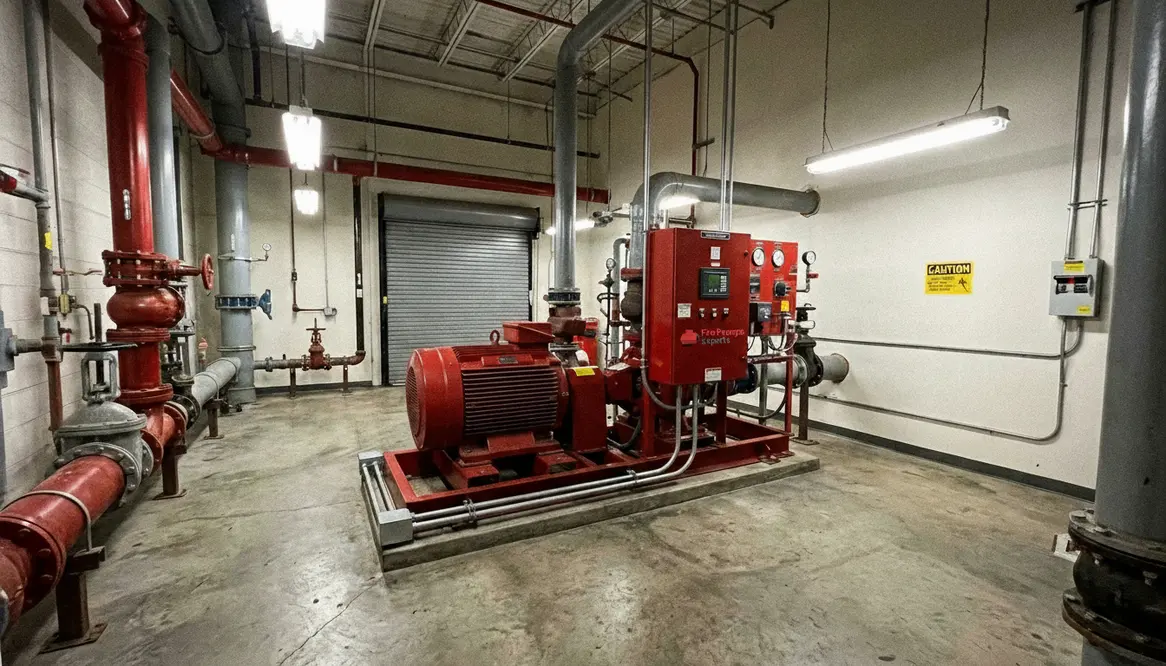
FM DS 3 7 Electric Fire Pump Requirements Guide
A practical look at how FM DS 3 7 electric fire pump requirements shape reliable protection in real commercial and industrial buildings.
FM Data Sheet 3 7 Electric Fire Pump Requirements matter because a fire pump is not the sort of equipment anyone wants to think about until the day it has to perform like a legend in a suit. In commercial and industrial facilities, and in major property buildings, I treat this standard as a core part of life safety planning. The FM DS 3 7 electric guidance gives me a clear path for choosing, installing, and protecting electric fire pumps so the system works when pressure drops and seconds start to feel expensive.
In this article, I walk through the main requirements in plain language. Also, I keep it focused on the buildings that need it most: large commercial sites, industrial plants, warehouses, high rise properties, and other major facilities where a fire pump is not optional drama, but business survival.
What FM DS 3 7 Electric Fire Pump Rules Cover
The standard focuses on electric driven fire pumps used to support sprinkler and standpipe systems. First, it looks at water supply, pump selection, power reliability, and installation quality. Then it checks whether the pump can start fast, run steadily, and keep pressure where the system needs it. I think of it as the quiet bodyguard in the back of the building. Nobody cheers for it at lunch, yet everybody wants it on duty.
The FM DS 3 7 electric approach helps reduce weak points before an emergency. For example, it pushes me to look at the pump room, the incoming power source, controller setup, and test access. As a result, I can spot issues long before a fire drills the point home with all the charm of a disaster movie sequel.
Core objectives of FM DS 3 7 electric
- Provide reliable water flow and pressure under fire conditions
- Ensure the electric power supply is robust and protected
- Standardize installation quality so pumps behave predictably
- Support ongoing inspection, testing, and maintenance
How I Check Pump Room And Power Needs
Pump room conditions
The pump room must support dependable operation. So, I look at location, access, temperature, drainage, lighting, and physical protection. The room should stay dry, clean, and easy to reach for testing and service. If the pump room feels like a cluttered basement in a bad thriller, I know trouble may already be building.
Electric supply checks
The electric supply also matters. FM guidance expects the pump to have a stable power source with strong protection against interruption. Therefore, I check the utility feed, controller, wiring, and backup power strategy where needed. If the pump loses power, it cannot do its job, and fire does not wait for a polite reboot.
FM DS 3 7 Electric Requirements For Installation And Protection
Installation quality details
Installation quality can make or break the system. First, the pump must sit on a proper foundation that limits vibration. Then, suction and discharge piping must support smooth flow without stress on the pump casing. I also make sure valves, gauges, and fittings allow clear operation and easy inspection.
Protection measures that matter
Protection matters just as much. In large properties, I want the fire pump shielded from flood risk, freezing, mechanical damage, and accidental shutdown. Therefore, the room layout should support safe access while keeping the equipment secure. In practical terms, I want the pump protected like the final rose in a reality show, but with fewer tears and better engineering.
Key Design Points I Review First
Below is a quick dual column view of the items I check early.
Design Item
Water source
Power reliability
Pump room layout
Foundation and piping
Control equipment
Why It Matters
The pump needs enough supply to perform under fire demand
The electric motor must start and keep running
Good access helps testing, service, and emergency use
Proper support reduces vibration and stress
The controller must respond fast and work every time
Why Testing And Maintenance Keep The System Ready
A fire pump is not a decorate and forget asset. It needs routine inspection, flow testing, controller checks, and full system review. So, I track performance over time, not just at one happy moment when everything still looks new. That way, I can catch wear, power issues, bad valves, or flow loss before they become real problems.
FM DS 3 7 electric guidance supports a test culture. In other words, I do not just install the equipment and admire it like a museum piece. I verify it. I confirm it. I keep records. That habit matters because major commercial and industrial facilities often depend on the fire pump to support dense water demand and complex building systems.
How I Use The Standard In Major Commercial And Industrial Buildings
In major properties, I use the standard to align design, construction, and operation. First, I confirm the fire protection plan fits the building hazard. Then I review whether the electric fire pump matches the system demand and site conditions. Next, I coordinate with the fire protection team, electrical team, and facility staff so the final setup supports real life, not just drawings that look impressive in a conference room.
I also compare the installation against current FM expectations and site needs. For a helpful next step, I recommend reviewing https://firepumps.org fire pump services for commercial and industrial facilities when you need specialized support for these building types. That kind of focused guidance can save time, reduce risk, and keep the project on the right track.
Where FM DS 3 7 Electric Fits In Your Strategy
For complex facilities, FM DS 3 7 electric is not background reading. It becomes the checklist behind your design meetings, the structure behind your pump room layout, and the script for your testing schedule. Used properly, it turns a single fire pump into a dependable part of your overall risk management plan instead of a nervous guess parked in the basement.
FAQ
Conclusion
If I want an electric fire pump to work when it truly counts, I follow FM DS 3 7 with care, not guesswork. The standard gives me a clear path for design, installation, power reliability, and testing in major facilities. If your building depends on serious fire protection, now is the time to review your current system, close the gaps, and bring in expert support that knows the terrain.