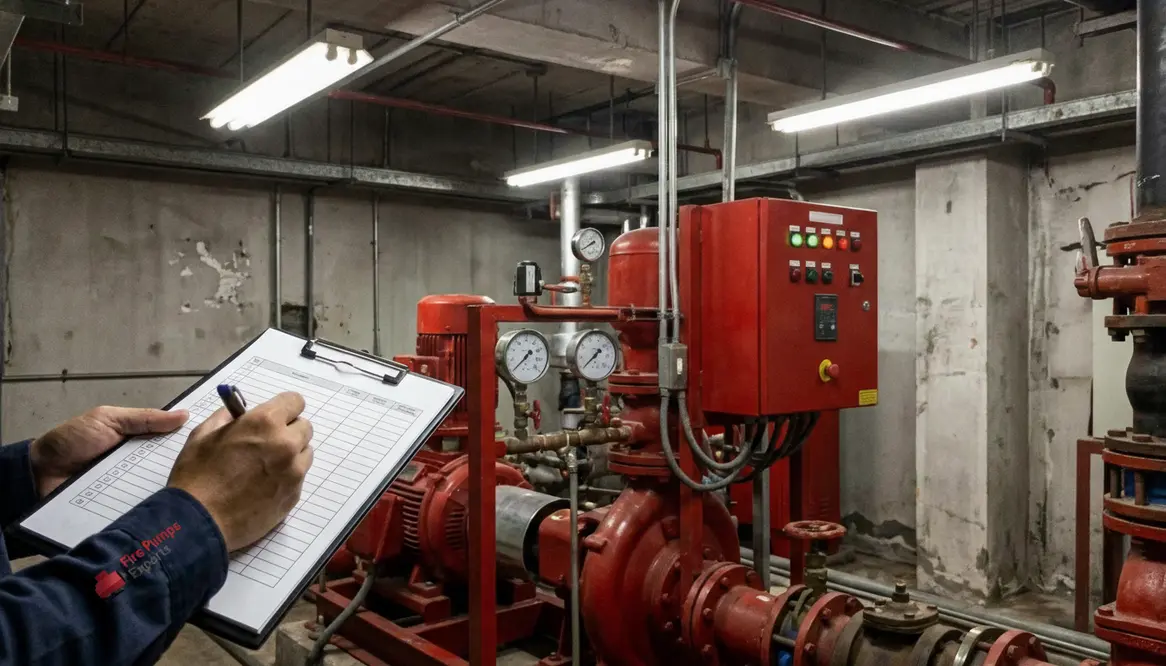
AS 1851 Fire Pump Maintenance Essentials
When I talk about AS 1851 fire pump maintenance, I am talking about the quiet work that keeps a building ready when the heat turns real. It is not flashy. It does not have a theme song. Yet it can make the difference between a small scare and a full blown disaster. For commercial and industrial facilities, major property buildings, and other serious sites, this standard gives the routine that keeps fire pumps honest, steady, and ready to perform. In this article, I will break down what the maintenance involves, why it matters, and how I approach it with a clear eye and a practical hand.
Quick snapshot
AS 1851 fire pump maintenance is the planned inspection, testing, servicing, and record keeping that helps your system start, run, and hold pressure when it counts.
Less “hope it works” and more “it is already proven.”
What AS 1851 fire pump maintenance covers
I treat this standard as a planned system of checks, tests, and records. It asks me to inspect the pump set, the driver, the controller, valves, power supply, pressure readings, fuel where needed, and the full condition of the room itself. In plain English, I do not just look at the pump and nod like I have solved the universe. I make sure the whole system can start, run, and keep pressure when a fire system needs it.
This work usually includes routine visual checks, weekly or monthly test runs, flow related checks, and longer service tasks at set intervals. The point is simple. I want to catch small faults before they grow teeth. A loose belt, a tired battery, a sticky valve, or a leak can turn into a very expensive lesson if I ignore it.
How I inspect a fire pump system step by step
First, I look at the site conditions. Then I check access, ventilation, signage, drainage, and any sign of water, rust, heat, or damage. After that, I move to the pump itself and confirm that the unit is clean, secure, and free from obvious wear. I also check the controller for alarms, fault lights, and power issues because the best fire pump in the world still needs a brain.
Next, I test the unit under the right conditions. I listen for strange noise, watch for unstable pressure, and confirm smooth start up and operation. If the system uses diesel, I inspect fuel, oil, cooling, and battery health. If it uses electric drive, I focus on supply, switches, control gear, and backup support. Then I record everything. Good notes matter because memory is a fine thing until it is not. Even Batman would keep records if he managed a pump room.
Why regular checks matter for major buildings
Fire pumps do not exist for decoration. They protect high value buildings, dense sites, and operations that cannot afford downtime. If a pump fails during an emergency, the whole fire system may lose pressure at the worst possible time. That is why I keep the maintenance schedule tight and the inspection honest.
Regular service also helps me spot wear from daily use. Over time, seals age, parts loosen, and water quality can leave deposits. Meanwhile, vibration can shift fittings and damage supports. When I stay ahead of those issues, I protect both safety and budget. That is the sweet spot. Less panic, fewer repairs, and fewer emergency calls that arrive with the same joy as a tax audit.
What I check during an AS 1851 fire pump maintenance visit
Here is the part where the details really matter. I usually check:
- pump body condition and signs of leakage
- driver performance and start up behaviour
- controller indicators, alarms, and reset status
- pressure levels and stability during operation
- valves, gauges, and pipe supports
- power supply or fuel supply, depending on the system
- room conditions, access, lighting, and ventilation
- test records and service history
These checks help me build a clear picture of system health. Also, they help me explain to building managers what needs attention now, what can wait, and what must never be ignored.
AS 1851 fire pump maintenance and compliance records
Good maintenance is not only about hands on work. It is also about proof. I keep records because the paperwork tells the story of the system over time. It shows when I tested it, what I found, what I fixed, and what still needs follow up. That matters for audits, inspections, and peace of mind.
When records stay accurate, I can spot trends. For example, if pressure keeps drifting or a component keeps failing, I know there is a deeper issue. Then I can deal with the root cause instead of playing repair whack a mole. No one enjoys that game, especially when the stakes involve fire protection.
Common issues I watch for
|
Common issue Low pressure, battery trouble, worn seals, controller faults, poor drainage, corrosion |
Why I act fast Each one can affect pump start up, pressure delivery, and system reliability |
Need help keeping your pump room ready
For more detail on service support, I recommend reviewing fire pump maintenance services as a helpful internal reference. Also, if you want a broader local resource, I suggest checking los angeles fire pump solutions for additional context on pump related support.
In other words, when you schedule AS 1851 fire pump maintenance, you are choosing documented readiness over last-minute hope.
FAQs
Conclusion
If I want a fire system to do its job, I start with steady care and honest checks. That is why I take AS 1851 fire pump maintenance seriously for major properties and busy industrial sites. If you manage a commercial building and want your fire pump system kept ready, talk to a qualified fire protection team now. A good inspection today can prevent a very bad surprise tomorrow, and that is a trade worth making every time. Keep your schedule, keep your records, and keep the pump room ready for the moment it matters most.
That same discipline is the heart of AS 1851 fire pump maintenance, whether the system is diesel or electric, new or long in service.