Commercial Fire Sprinkler Systems Complete Guide
I have seen a lot of building safety plans that look impressive on paper, then fall apart the moment someone asks, “What happens when a real fire starts?” That is where a commercial fire sprinkler system steps in. It does not wait for drama. It reacts fast, controls heat, and helps protect people, property, and business continuity before a small problem turns into a headline nobody wants. In a commercial or industrial facility, that kind of response is not a luxury. It is the quiet hero in the ceiling, doing the job while everyone else keeps pretending the coffee machine is the biggest risk in the building.
In this guide, I will walk through how these systems work, what parts they need, how I think about design and maintenance, and why a smart fire protection plan can save far more than money. Along the way, I will keep it practical, because fire safety should never feel like a mystery box from a bad spy movie.
How a sprinkler system works in real life
A sprinkler system does not spray every head at once. Instead, each sprinkler head responds to heat on its own. When the air near one head reaches a set temperature, that head opens and releases water right where the fire is growing. That matters. It means the system targets the problem area, not the whole building.
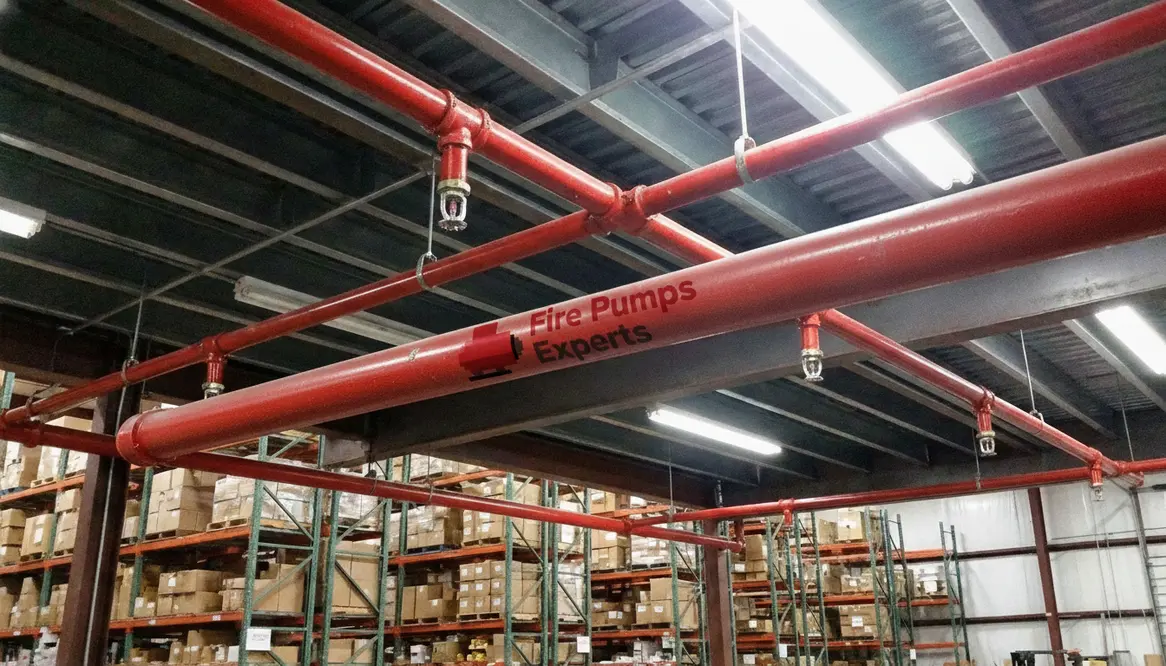
In many commercial spaces, I look at the water supply first, then the pipe network, then the sprinkler heads. If one part is weak, the whole setup can struggle. For larger properties, the system often connects with pumps, alarms, and control valves. These parts work together so the building gets water pressure when it matters most. A system that cannot deliver water is like a superhero with no cape and no lunch. Dramatic? Yes. Accurate? Also yes.
What parts you need to get right
The main parts of a commercial fire sprinkler system include the water source, fire pump, pipes, valves, sprinkler heads, and alarm devices. Each piece has a job. If I miss one during planning, the entire protection plan can suffer.
Here is the simple version of what each part does:
Water supply provides the base flow for the system.
Fire pump boosts pressure when the site needs more force than the supply alone can give.
Pipes and fittings move water through the building.
Control valves let teams test, service, and isolate sections.
Sprinkler heads release water when heat reaches the trigger point.
Alarm devices alert people and help speed response.
I always stress this point: good parts matter, but good coordination matters more. A system is only as strong as the way it works as a whole.
How I choose the right setup for a building
Every property has different risks. A warehouse with high racks does not need the same protection plan as an office tower or a shopping center. So, I start by looking at the building use, ceiling height, stored materials, occupancy level, and water demand. After that, I check local code rules and insurance needs.
That process can feel tedious, but it keeps everyone honest. It also helps avoid the classic “we thought it would be fine” approach, which has never been a great strategy in fire protection. For commercial and industrial facilities, I focus on systems that can handle bigger loads, wider coverage, and stronger water delivery. Major properties often need more planning, not less.
For a broader look at fire protection planning and service support, I often recommend reviewing commercial fire protection solutions as a helpful reference point.
Why maintenance keeps the system ready
A sprinkler system can only protect a building if it works on demand. That is why regular inspection and testing matter so much. I treat maintenance like insurance with a wrench. It is not exciting, but it is essential.
Routine checks should confirm that valves stay open, pipes stay clear, alarms respond, and sprinkler heads remain undamaged. Dust, paint, corrosion, and blocked heads can all cause trouble. And yes, even one missing cap can become a very expensive lesson in “we should have checked that sooner.”
Water pressure testing and pump testing also matter. If pressure drops below the needed level, the system may not perform well during a fire. That is especially important in large commercial and industrial sites where water demand can rise fast. When you keep maintenance tight, your commercial fire sprinkler system stays ready to act instead of waiting for the next “surprise” meeting.
What buyers should ask before installation
Before I approve a system plan, I ask a few direct questions. Does the design fit the building use? Can the water supply support the needed flow? Will the system reach every area that needs protection? Does the plan allow easy inspection later?
These questions save time and money. They also help avoid design mistakes that show up only after installation, which is about as welcome as a rainstorm during a roof replacement.
When a project needs stronger pumping support, I look at specialized options that serve major properties and commercial facilities. For local search support, I suggest reviewing los angeles fire pump services as a useful resource for pump related planning.
Commercial fire sprinkler systems FAQ
Quick answers to the questions that usually pop up right before someone realizes the commercial fire sprinkler system should not be “set and forget.”
Conclusion
I believe a well planned commercial fire sprinkler system does more than meet code. It protects staff, supports business continuity, and gives owners real peace of mind. If you manage a commercial or industrial property, now is the time to review your current setup, inspect your water supply, and confirm that your protection plan still fits the building. Do not wait for an emergency to reveal the weak spots. Act now, check the system, and keep your property ready.