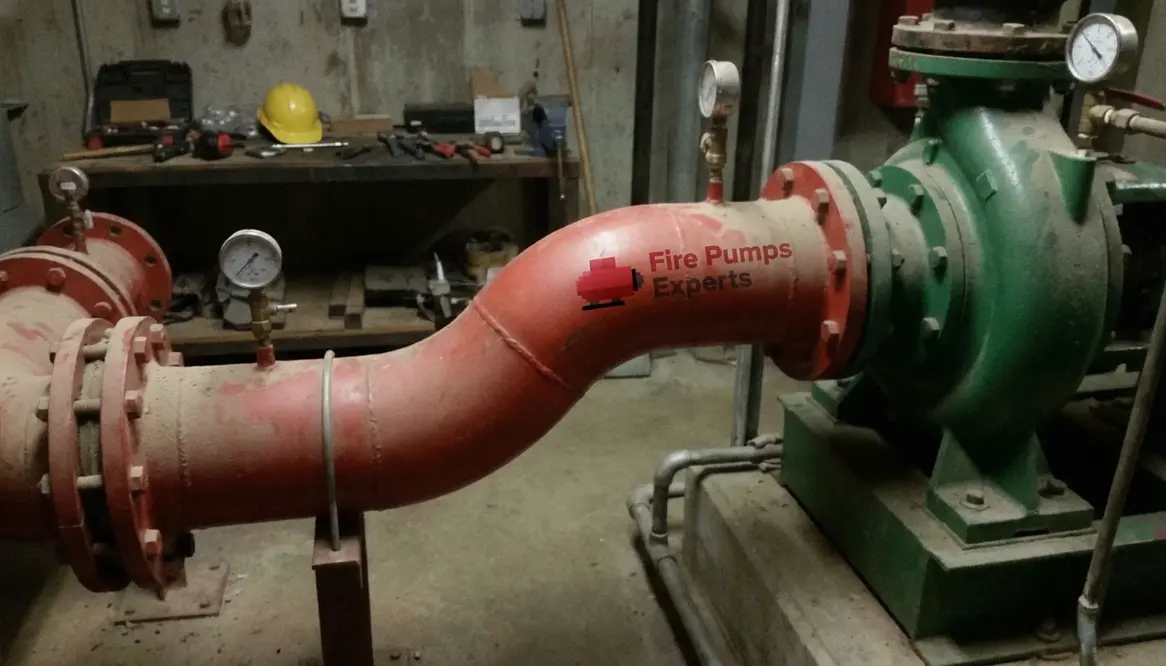
Why Fire Pump Suction Piping Should Avoid Air Pockets
I have seen a lot of fire pump rooms in my time, and I can tell you this with a calm, steady voice: a fire pump suction air pocket is trouble wearing a quiet face. It does not shout. It does not flash warning lights like a movie villain. Instead, it sits in the line, ready to stir up vibration, loss of prime, and weak pump performance when a commercial or industrial system needs water the most. That is why I always treat suction piping like a serious business partner. It has to do its job cleanly, or the whole system pays the price.
In major properties, high rise buildings, factories, warehouses, and other large facilities, suction piping must deliver water smoothly to the pump. If air gathers in the line, the pump can lose efficiency fast. So, in this article, I will break down why that happens, what it does to the system, and how I approach the fix before the fire pump starts acting like it skipped leg day.
Quick reality check
Suction piping is the first handshake between your system and the pump. When a fire pump suction air pocket shows up, the handshake gets shaky, and the pump has to work harder for less reliable water delivery.
The goal is simple: smooth, consistent suction conditions so the pump can perform the way it was specified to perform, every single time.
What Happens When Air Collects in Suction Piping
Air in suction piping disrupts the flow of water. Because air compresses and water does not, the pump does not receive a steady stream. Instead, it gets a mix of water and trapped air, which can cause cavitation, noise, and unstable pressure. In plain words, the pump starts working hard while doing less. That is not a winning setup. It is a little like trying to sip a milkshake through a straw full of holes.
When a fire pump suction air pocket forms, the pump may struggle to maintain suction pressure. As a result, the pump can shake, the discharge can pulse, and the motor may draw more stress than it should. Over time, that can wear down seals, bearings, and internal parts. For commercial and industrial facilities, that kind of wear is not just annoying. It can put life safety and property at risk.
Why Fire Pump Suction Air Pocket Problems Reduce Performance
I always look at suction piping as the first promise the system makes to the pump. If that promise breaks, the pump cannot perform well. Air pockets reduce the effective area of the pipe, and they block water from moving in a smooth line. Then, the pump may face uneven flow, lower pressure, and unstable operation during startup.
Here is the simple truth: a pump likes consistency. It does not enjoy surprises. When air pockets enter the suction side, the pump can lose efficiency and develop cavitation. That process can damage metal surfaces inside the pump over time. And yes, the pump may still run. But running is not the same as working well. Even Batman would call that a problem.
How I Prevent Air Pockets in Fire Pump Suction Lines
I prevent air pockets by keeping the suction piping layout direct, smooth, and properly sloped. I also avoid high points where air can sit and stay. If the line must change direction, I make sure the design does not trap air at the top of a run. In addition, I check for proper pipe size, correct fittings, and solid installation practices that support continuous water flow.
Here are the main steps I follow:
- Keep the suction line as short and straight as practical
- Avoid high spots where air can collect
- Use the right pipe diameter for the system demand
- Install fittings that support smooth flow
- Check joints for leaks that can pull air into the line
Also, I always remind teams that suction piping is not the place to improvise. This is not a garage project with a YouTube tutorial and a dream. In large commercial and industrial systems, every detail matters.
What I Check During Inspection and Maintenance
During inspection, I look for signs that suggest trapped air or poor suction conditions. For example, I listen for unusual pump noise, watch for pressure swings, and inspect the piping for poor slope or hidden high points. I also check whether valves, strainers, and joints support stable flow. If I find a weak point, I treat it as urgent.
In many cases, the trouble starts small. A minor leak on the suction side can pull air into the line. A bad slope can let air settle. A careless pipe run can create a pocket that no one sees until the pump acts up. Therefore, I do not wait for a failure to tell me the system has a problem. I look early, and I look hard.
Common risk
Air trapped at a high point
Loose fitting on suction side
Poor pipe layout
Noise and vibration during operation
What I do about it
Rework the slope and remove the trap
Tighten, seal, and test the joint
Redesign for smoother water movement
Inspect for cavitation and air entry
Where Fire Pump Suction Air Pocket Control Matters Most
This issue matters most in facilities that depend on reliable fire protection every day. I am talking about large warehouses, manufacturing plants, data centers, hospitals, and high rise buildings. In those places, a fire pump is not a backup toy. It is core safety equipment. So, when I see a fire pump suction air pocket risk, I treat it like a design and maintenance priority, not a minor detail.
If you want a deeper look at system support for these facilities, I recommend reviewing this los angeles fire pump service guide. It helps connect proper equipment care with real world performance for major properties. For a broader service reference, I also suggest this fire pump services overview for commercial and industrial facilities.
los angeles fire pump service guide. It helps connect proper equipment care with real world performance for major properties. For a broader service reference, I also suggest this fire pump services overview for commercial and industrial facilities.
FAQ
Conclusion
I never treat suction piping like background noise. It sets the tone for the whole fire pump system, and air pockets can quietly turn a solid design into a weak one. If you manage a commercial or industrial property, now is the time to inspect the layout, fix weak points, and protect performance before a real emergency tests the system. If you need help, I urge you to take the next step and review your fire pump setup with a trained professional today.