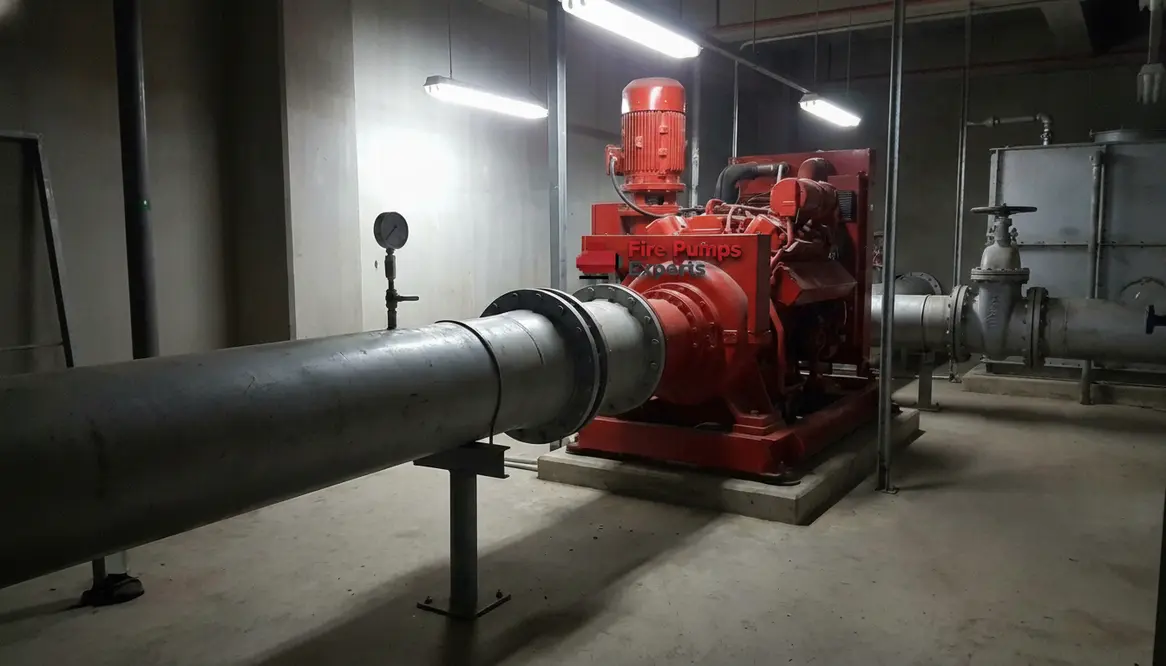
Keep Fire Pump Suction Free of Air Pockets
When I look at a fire pump system, I do not just see pipe, fittings, and valves. I see a life safety machine that must work the first time, every time. That is why a fire pump suction air pocket matters so much. If air collects in the suction line, the pump can lose prime, struggle to move water, or even fail when the system needs it most. In a commercial tower, industrial plant, or large property building, that is not a small issue. That is the kind of problem that can turn a calm day into a very bad headline. And nobody wants their fire protection plan to audition for a disaster movie.
In my experience, the best fire pump systems respect one simple rule: keep the suction side full of water and free of trapped air. That sounds easy, but the details matter. So let me walk through why air pockets form, what they do, and how I approach suction piping the right way.
What happens when air gets trapped in suction piping?
Air in the suction line weakens the pump before it even starts doing real work. Since a fire pump depends on a steady water supply, any pocket of air breaks that flow path. As a result, the pump may cavitate, vibrate, or lose suction pressure. I have seen systems act like they are ready for the big game, only to freeze at kickoff. Not ideal.
Here is the problem in plain terms. Water does not compress much, but air does. So when air sits inside the suction piping, the pump impeller can spin without getting a solid water column. That can reduce flow and pressure, and in severe cases it can stop the pump from performing as expected. For commercial and industrial facilities, that risk is simply too high.
How I design suction piping to avoid a fire pump suction air pocket
I start with the goal of smooth, direct flow. I keep the suction line as short and straight as practical, because extra bends and poor slopes invite trouble. Also, I make sure the pipe supports the water path instead of creating high points where air can hide like a cat under a couch during a thunderstorm.
I also pay close attention to piping layout, reducer placement, and fittings. The suction side should avoid sudden changes that disturb flow. In addition, the pipe must slope correctly so air can move away instead of settling in one spot. When I inspect systems, I look for places where the line rises and dips without purpose. Those spots often create the exact conditions that form a fire pump suction air pocket.
Why air pockets hurt pump performance and safety
Air pockets do not just annoy the system. They damage performance in ways that matter during an emergency. First, they can cause unstable pressure. Second, they can increase noise and vibration. Third, they can lead to cavitation, which wears pump parts over time. That means more repairs, more downtime, and more risk.
For commercial and industrial facilities, this is more than maintenance talk. A fire pump must support sprinklers, standpipes, and other fire protection equipment without hesitation. If the suction side cannot feed the pump properly, the whole system suffers. And in life safety work, “mostly works” is not a phrase anyone wants to hear.
Where I check first when I suspect suction air problems
When I suspect air in the suction line, I do not guess. I inspect the system methodically.
Two column view for fast checks
Next, I look for signs of poor installation or wear. Even a small change in the system can create a big issue. For example, a valve that is not fully open, or a joint that leaks under suction, can let air in and ruin the prime. That is why I never treat suction piping like background scenery. It is a lead actor.
How I prevent the problem in commercial and industrial facilities
Prevention always costs less than failure. So I follow a few basic habits. I keep the suction pipe diameter correct for the pump. I avoid extra elbows and odd pipe runs when I can. I also verify that the layout matches the pump maker’s guidance and the fire code requirements for the site.
Just as important, I make sure the system gets regular inspection and testing. Over time, vibration, settling, and maintenance changes can alter the piping. A line that once worked fine can slowly develop a trap for air. That is why routine checks matter. They catch small issues before they become expensive drama.
If you want a deeper look at pump setup and system planning, I recommend reviewing this fire pump system guide. Also, for local service support, you can explore los angeles fire pump services for commercial and industrial facilities and major property buildings.
FAQ: fire pump suction air pocket
Conclusion
I treat suction piping like the front line of fire pump reliability, because that is exactly what it is. If you want your system ready for real demand, do not let air pockets stay hidden in the line. Review the layout, check for high points, and keep the suction side solid. If your commercial or industrial property needs a closer look, now is the time to act. A careful inspection today can protect your building when every second counts.
And yes, that includes watching for a fire pump suction air pocket before it turns into a performance problem. Keep the suction side full of water, keep air where it belongs (not in your line), and you will be ahead of the trouble.