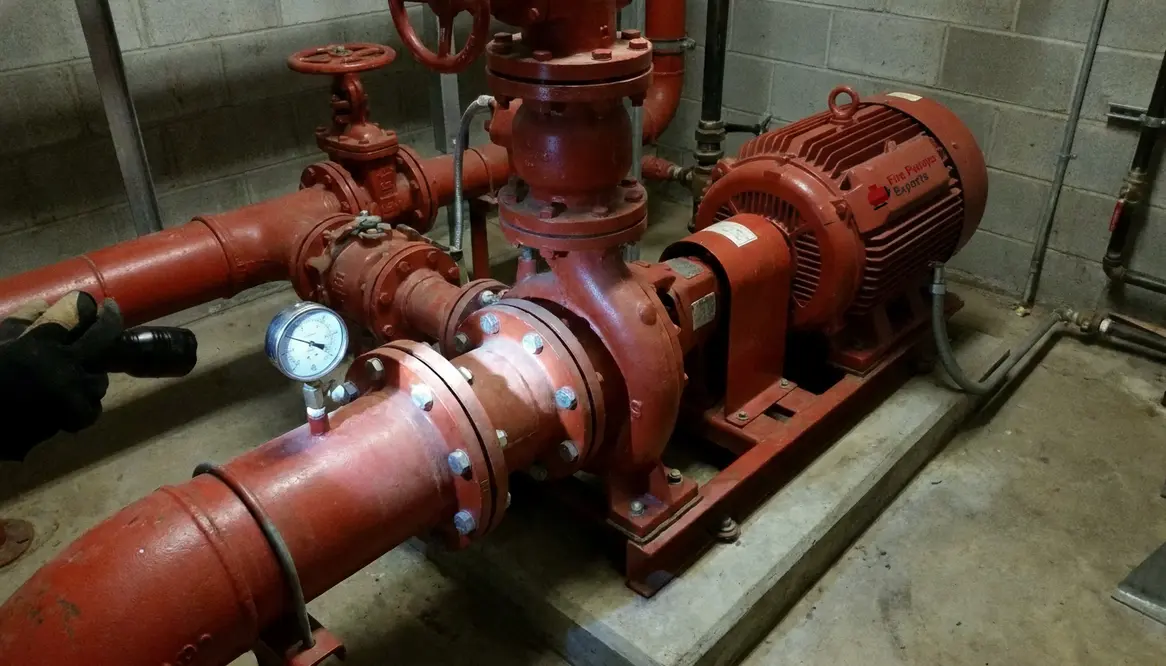
Air in Fire Pump Causes and Early Signs
What Causes Air to Enter a Fire Pump?
When I look at a fire pump system, I see more than steel, pipes, and pressure gauges. I see a system that has one job: protect a commercial or industrial building when things go bad. And yes, air in fire pump systems can quietly ruin that job if nobody catches it early. It is a little like finding out the villain was hiding in plain sight the whole time. The good news is this problem usually has clear causes, and once I know them, I can fix the weak points before they turn into a real headache.
In this article, I break down the main reasons air gets into a fire pump, how I spot the warning signs, and what I do to keep the system ready for serious duty. I keep it practical, because fire protection should not feel like a mystery wrapped in a manual.
How air gets into the pump system
Air usually enters a fire pump because the system lets it in somewhere along the line. In many cases, the source is simple. A loose joint, a worn gasket, or a bad seal can invite air into the suction side. Since the suction side runs under pressure changes, even a small leak can pull air in like a straw with a tiny crack. Not dramatic, just annoying. Very efficient, in the worst possible way.
Here is the first thing I check:
- Loose pipe connections
- Worn mechanical seals
- Cracked fittings or valves
- Bad suction piping layout
- Low water levels that expose the intake
Also, if the pump sits too high above the water source, it may struggle to prime. That can create air pockets and make the pump act like it forgot its lines. In a commercial or industrial setting, that is not a cute performance issue. It is a risk.
What problems create trapped air in a fire pump
Trapped air often comes from poor installation or changes in the system over time. I have seen systems where the piping design simply traps air at high points. I have also seen systems where maintenance crews replaced a valve, but the new part allowed a pocket of air to stay inside. Once that happens, flow drops and pressure can act strange.
Another common cause comes from water supply issues. If the suction source drops below a stable level, the pump may draw air along with water. That can happen in storage tanks, fire water tanks, or any system where the water level changes fast. So, if the pump starts making odd noises or losing pressure, I always look at the supply first.
Why maintenance matters so much
I cannot say this enough: regular maintenance keeps small air leaks from turning into big system trouble. When a fire pump sits for long periods without inspection, the seals dry out, valves weaken, and tiny gaps start to form. Then, when the system needs to work hard, it may pull air into the pump chamber.
That is why I inspect these points often:
Inspection Point
What I look for
Seals
Wear, cracking, and leaks
Valves
Proper closure and steady function
Gaskets
Damage or poor fit
Pressure readings
Sudden drops or unstable levels
As a rule, I do not wait for a noisy pump to tell me something is wrong. By then, the system has already started to complain, and trust me, it is not subtle about it.
How I spot warning signs early
When air enters a fire pump, the system often gives a few clues before it becomes serious. I listen for changes in sound, because cavitation and sputtering can point to air in the lines. I also watch for shaky pressure, slow startup, and lower discharge flow. In some cases, the pump may cycle in a strange way because it cannot hold a steady prime.
These signs matter because they often show up before a full failure. And in a large property, that early warning can save time, money, and a very bad day. The goal is not to admire the problem. The goal is to stop it.
What I do to stop air from entering
To reduce air in fire pump systems, I focus on three things: design, inspection, and repair. First, I make sure the suction piping stays tight and properly sloped so air does not collect in high spots. Next, I check that valves and seals match the system needs and still perform well. Then, I fix any leak right away, even if it seems small.
I also make sure the water supply stays stable. If the tank, line, or source has a level problem, I treat that as a core issue, not a side note. Because once air gets pulled into the system, the pump loses efficiency, and the whole protection setup starts to wobble.
If you want a deeper look at system care, I recommend this fire pump maintenance resource for commercial and industrial facilities. For local service support, you can also visit los angeles fire pump service.
FAQ
Conclusion
I treat air entry in a fire pump as a warning sign, not a small annoyance, because the whole system depends on steady pressure and clean flow. If you manage a commercial or industrial facility, now is the time to inspect the piping, seals, valves, and water supply. I always say the best fire pump problem is the one you catch before it becomes a real one. If you need help, take action now and protect the property before the system asks for attention in all the wrong ways.