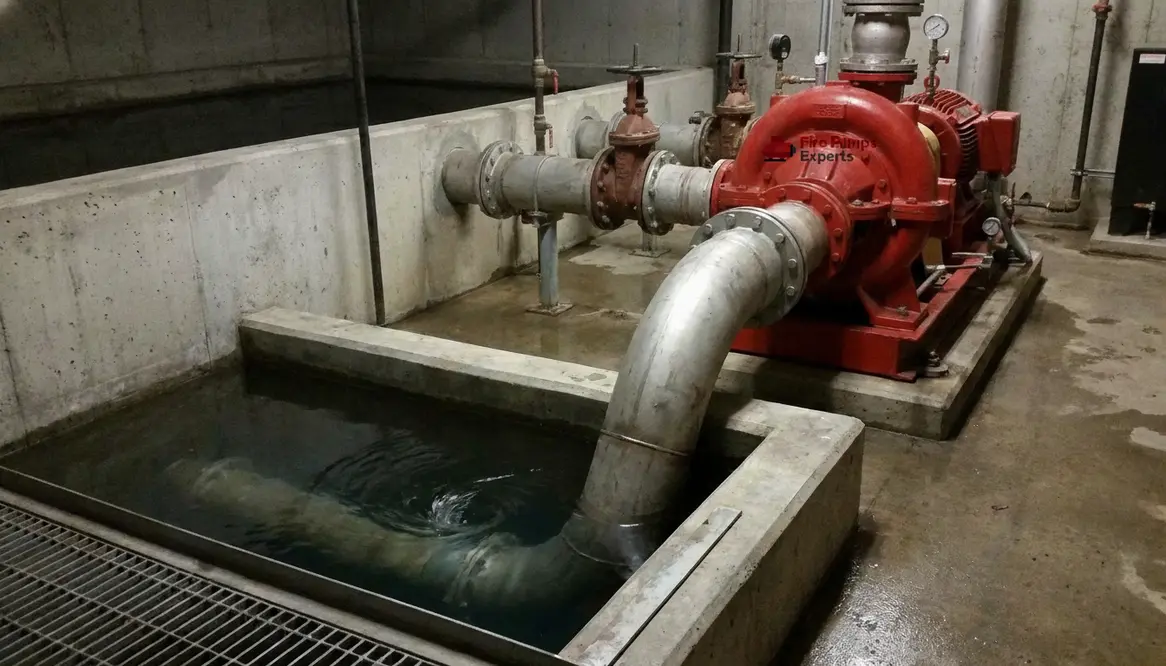
Fire Pump Suction Vortex: Causes, Symptoms and Prevention
When I talk about a fire pump suction vortex, I am talking about a problem that can quietly mess with a fire pump right when a building needs it most. It forms at the suction side, pulls air into the system, and can weaken pump performance fast. In a commercial tower, an industrial plant, or a major property building, that is not the kind of surprise anyone wants. Still, the good news is simple: if I understand the causes, spot the signs early, and set up smart prevention, I can keep the pump ready when the pressure rises, both literally and figuratively.
And yes, this is one of those topics that sounds like it belongs in a lab coat movie with dramatic music. But in real life, it is about protection, reliability, and avoiding a very expensive bad day.
What causes a fire pump suction vortex?
A suction vortex starts when water moves toward the pump in a way that creates a spinning draw, much like a whirlpool in a sink, only with far more at stake. Most often, I see it when the suction source does not have enough water depth above the intake. As the level drops, the water surface begins to spin, and air gets pulled into the line. That air breaks stable flow and can starve the pump.
Several conditions can trigger it. First, low water levels can expose the suction intake. Second, poor tank or reservoir design can let water swirl instead of flow cleanly. Third, high pump demand can speed up the suction flow and create stronger turbulence. In addition, nearby walls, floor edges, or intake hardware can disturb the water path. When these parts fight the flow, the vortex wins. Nature loves drama. Engineers, not so much.
How I spot a fire pump suction vortex early
I do not need a crystal ball to catch the warning signs. I need a sharp eye, a good sound check, and a basic respect for what changing flow looks and feels like. A suction vortex often shows up as visible swirling near the intake. Sometimes I can see a dip or funnel at the water surface. Other times, the pump sounds off, almost like it is gulping instead of moving water smoothly.
Here are the most common symptoms I watch for:
- Visible whirlpool action near the suction inlet
- Air being pulled into the line
- Pressure swings during pump operation
- Noise, vibration, or rough pump behavior
- Lower flow than expected during tests
These signs matter because a vortex rarely stays polite. It tends to grow worse if I ignore it. So, when I see one symptom, I treat it as a warning, not a trivia answer.
How I prevent a suction vortex before it starts
Prevention works best when I treat the suction side like the front door of the system. If the front door fails, nothing else gets to act heroic. The first step is proper design. I make sure the intake sits at the right depth and away from surfaces that cause swirl. I also check that the water source has enough submergence above the suction inlet.
Next, I use anti vortex plates, intake screens, or other approved devices when the design calls for them. These tools help calm the water and break up spinning flow before it reaches the pump. Also, I keep the suction piping straight, sized correctly, and free from sharp changes that can stir up turbulence.
Regular inspection matters too. I review water levels, check for debris, and confirm that nothing has shifted around the intake area. Over time, even a good setup can change. Sediment builds up, parts move, and the system quietly ages, kind of like that one office chair nobody admits is falling apart.
Fire pump suction vortex prevention checklist for commercial sites
For commercial and industrial facilities, I keep my checklist practical and tight:
| Inspection focus | What I look for |
|---|---|
| Water level | Enough depth above the suction inlet |
| Intake area | No debris, no blockage, no swirl path |
| Pump room test | Stable pressure and smooth operation |
| Tank layout | No wall or edge effects near intake |
| System changes | Any repair or upgrade that may alter flow |
This kind of review helps me catch a problem before it turns into a performance loss. It also supports compliance and keeps the system ready for large buildings where fire protection cannot afford guesswork.
FAQ
For quick answers, here is the short list I would want on a busy site:
Need a stronger plan for your fire pump system?
If I want dependable fire protection, I do not wait for a suction issue to show up on the worst possible day. I review the intake design, check the water source, and keep the pump system under steady watch. For commercial and industrial properties, that is not extra caution; it is basic protection. And when you are actively managing a fire pump suction vortex risk, steady inspection is what keeps the water moving the way it is supposed to.
For expert support, I can explore los angeles fire pump solutions and use fire pump system guidance for major properties from fire pump system guidance for major properties to keep operations safe, stable, and ready for action. Because nobody wants to be the person explaining why the suction side decided to become a vortex on the day it matters.
If you ever suspect the fire pump suction vortex is getting ideas, treat the symptoms like a checklist, address the suction conditions, and keep prevention in motion. A calm intake today can mean a confident pump tomorrow, not a panicked scramble to understand why the pressure dropped.