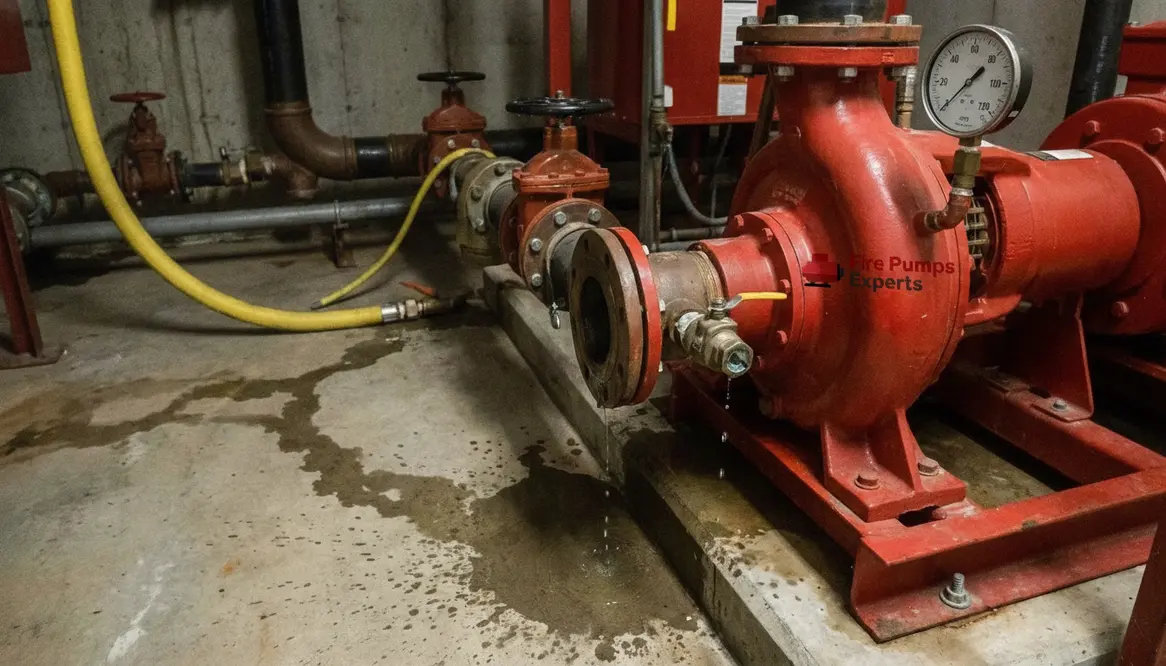
Fire Pump Priming Problems and Troubleshooting
Fire Pump Priming Problems: Causes and Troubleshooting
When I look at fire pump priming problems, I see more than a mechanical hiccup. I see a system that may fail when a building needs it most. In a commercial or industrial property, that is not a small issue. It can turn a routine inspection into a very bad day, and nobody wants that kind of plot twist. So, in this guide, I will walk through the real causes, the warning signs, and the fixes that matter. I will keep it clear, practical, and focused on major properties where fire protection must work every time.
What fire pump priming means in a commercial system
Priming fills the pump casing and suction line with water so the pump can move water fast and without air in the way. If air stays trapped, the pump cannot build pressure the right way. That is why priming is not a side task. It is the first step that lets the whole system do its job.
In large buildings, I often find that priming issues show up during testing, after maintenance, or right after a water supply change. Also, the problem may look small at first, but it can grow fast. If the pump cannot draw water, then the sprinkler system may not get the flow it needs. That is when the calm voice in the control room turns into the voice from every action movie: “We have a problem.”
Common causes of priming trouble
I usually start with the basics, because the basics cause many of the headaches.
- Air leaks in the suction line: Even a small leak can let air in and break prime.
- Low water supply: If the source level drops too far, the pump may pull air instead of water.
- Bad foot valve or check valve: When these parts fail, water drains back and the pump loses prime.
- Clogged strainers or suction piping: Dirt, rust, or scale can slow water flow and trap air.
- Worn seals or packing: These can let air sneak into the system during start up.
- Improper installation: Poor pipe layout, loose fittings, or bad slope can trap air where it should not sit.
Also, I see problems when teams skip routine checks. A pump does not care how busy the site is. It only responds to physics, which is a very blunt manager.
How I troubleshoot fire pump priming problems step by step
First, I confirm that the water source is ready. Then I check the suction line for leaks, loose joints, and signs of corrosion. After that, I inspect the foot valve, check valve, and any automatic priming device. If one of those parts fails, the pump may lose prime again and again.
Next, I listen and watch during start up. A pump that rattles, spits air, or runs with weak pressure often gives away the problem. I also check pressure readings, because unstable pressure can point to trapped air or poor suction conditions. If the pump primes slowly, I look for a clogged line or a valve that does not open fully.
Finally, I verify the controls and alarms. Sometimes the pump itself is fine, but the system does not start correctly because a control issue blocks the process. That is why I never blame the pump too fast. I like to say the pump is guilty only after the evidence shows it.
Fire pump priming problems troubleshooting checklist
Here is a simple two column view I use during inspections.
Check Point
Water level
Suction piping
Valves
Strainers
Seals
Controls
What I Look For
Stable and high enough for proper suction
Tight joints, no cracks, no air entry
Foot valve and check valve holding water in place
Clean and clear of debris
No wear that could pull in air
Proper start up and alarm response
This kind of check keeps the job organized. Also, it helps me spot patterns before they turn into a full system failure.
How to prevent repeat priming failures
Prevention saves time, money, and a lot of stress. I always recommend routine inspections, regular valve testing, and suction side checks. In addition, operators should watch for corrosion, loose fittings, and changes in water supply pressure. These small clues often show up before a real breakdown.
For commercial and industrial facilities, I also suggest keeping written service records. That way, if the pump acts up again, I can compare notes and find the cause faster. And yes, a good record book may not look flashy, but neither does a fire pump room until something goes wrong.
If you want a deeper look at system care, I suggest reviewing this fire pump maintenance guide for more service context. For local support, I also recommend los angeles fire pump service for commercial and industrial properties that need reliable help.
FAQ
Conclusion
When I deal with fire pump priming problems, I stay patient, methodical, and focused on the whole system, not just one part. If your commercial or industrial property shows weak suction, slow prime, or air in the line, do not wait. Act now, inspect the source, and fix the cause before it grows teeth. For dependable fire protection, contact a qualified service team and keep your pump ready for the moment it matters most.