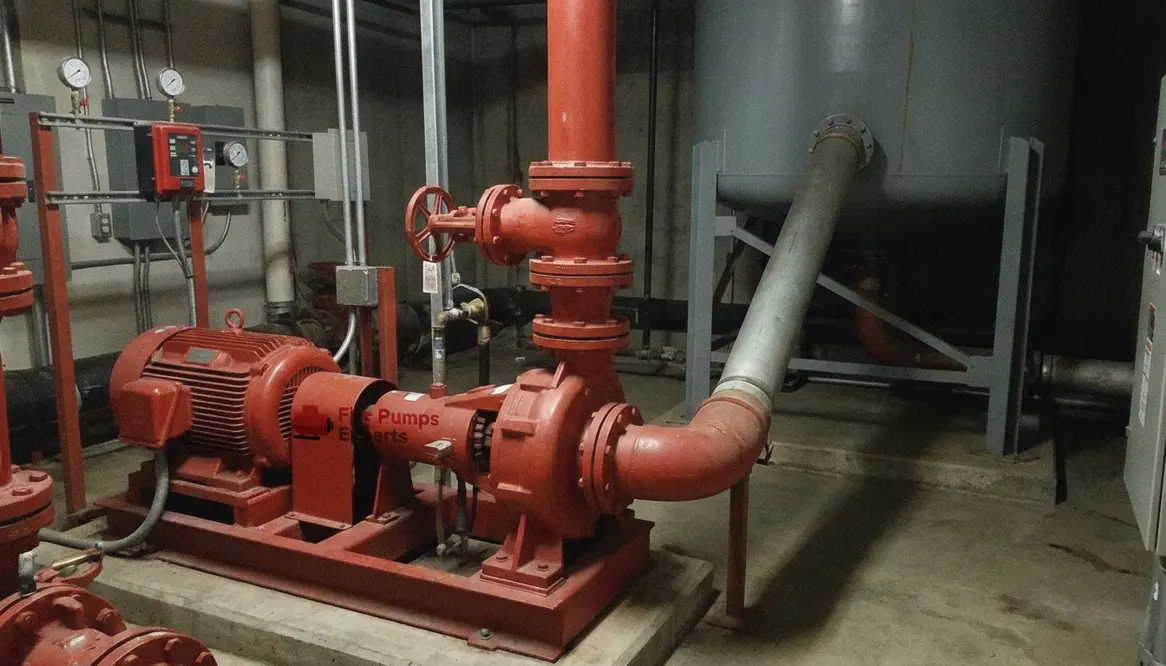
Flooded Suction Fire Pump Arrangement: How It Works
Flooded Suction Fire Pumps: How the Arrangement Works
When I talk about a flooded suction fire pump, I am talking about a setup that likes gravity to do part of the heavy lifting. In plain terms, the water supply sits above the pump, so water naturally flows into the pump casing without the unit having to “hunt” for prime. That matters a lot in commercial and industrial fire protection, where speed, reliability, and fewer moving surprises can make all the difference. I have seen this arrangement earn its keep in hospitals, high rise buildings, warehouses, and large campuses. It is not flashy. It does not strut around like a movie hero. But when the alarm sounds, it gets serious fast.
For property teams and facility managers, this layout can simplify startup and reduce air related headaches. Still, it only works well when the full system gets designed, installed, and maintained with care. Now, let me walk you through how it works and why it matters.
What a flooded suction setup does in a fire system
A flooded suction arrangement keeps the pump suction line full of water at all times. Because the water source sits higher than the pump, the liquid naturally pushes into the pump inlet. As a result, the pump does not need to pull water up from below, which reduces the risk of air pockets and priming issues. This is why a properly designed flooded suction fire pump arrangement tends to feel ready, steady, and less dramatic during the exact moment you want it to be boring in the best way.
This setup works best in facilities with dependable water storage tanks, elevated reservoirs, or gravity fed supplies. Moreover, it supports quick pump response during a fire event. That quick response matters because fire protection does not reward hesitation. It rewards readiness.
Here is the simple idea: the pump waits. The water arrives. The system stays calm until duty calls. Honestly, it is a little like having coffee delivered before you wake up. Efficient, if slightly spoiled.
How a flooded suction fire pump works step by step
First, the water supply fills the suction piping by gravity. Next, the pump casing and suction line remain charged with water, so the pump starts in a ready state. Then, when the controller signals demand, the pump motor or driver starts and boosts pressure into the fire sprinkler or standpipe network.
The suction side pressure stays positive, which helps the pump avoid cavitation and air problems. Therefore, the pump can move water more smoothly and with less stress. In large buildings, that stability supports more predictable fire protection performance. This is the quiet advantage that makes a flooded suction fire pump feel like it is doing the right thing before anyone even presses the red button.
Key parts I check in the arrangement
When I review a flooded suction fire pump system, I focus on a few core parts:
- Water source that sits above the pump
- Suction piping sized and routed for low loss
- Isolation valves for service and repair
- Check valves to prevent reverse flow
- Pump controller that starts the pump on demand
- Pressure gauges and test points for monitoring
Each part plays a role. If one piece acts up, the whole system can feel it. That is the thing about fire protection systems: they are not impressed by excuses, and they certainly do not care about “almost working.”
Why commercial facilities use this arrangement
Commercial and industrial properties use this setup because it supports dependable water delivery in critical situations. In addition, it often reduces the time needed to get water moving through the pump. That can help in properties where life safety systems must respond fast and without drama.
I also like the way this arrangement supports simpler starting conditions. Since the pump already has water available at the suction side, the system avoids some of the problems that come with lift suction setups. However, that does not mean it works everywhere. It must match the building design, water source, and code requirements. When those pieces line up, a flooded suction fire pump can act like a well-trained teammate, showing up ready before the whistle.
How I compare this system with other layouts
To make the difference easier to see, I use a simple side by side view.
Flooded suction arrangement
Water enters the pump by gravity. The suction line stays full. The pump starts with a positive inlet condition. This usually creates a more stable setup.
Lift suction arrangement
The pump must draw water upward from a lower source. The system needs more attention to priming and suction conditions. That can add complexity.
So, in many major properties, the flooded option feels smoother and more direct. It is not magic. It is just good hydraulics doing a quiet little victory lap. And yes, that victory lap is the reason the phrase flooded suction fire pump shows up in so many design conversations when stability matters.
What I look for during inspection and maintenance
Regular inspection keeps the system honest. I check water levels, valve positions, signs of leakage, corrosion, vibration, and abnormal pressure readings. I also confirm that the suction line stays full and that no air has slipped into the system.
Furthermore, maintenance teams should test the controller, monitor flow performance, and keep records of service work. These steps help catch problems before they turn into costly downtime. And in fire protection, downtime is not a mood. It is a risk. In other words: the flooded suction fire pump can be the steady type, but it still needs attention like any other system that carries serious responsibility.
For a deeper look at pump service for major buildings, I also recommend reading our commercial fire pump guidance. It fits well with the needs of large facilities and industrial sites.
FAQ
If you manage a commercial or industrial property, now is the time to review your fire pump setup with care. I recommend checking your water source, suction conditions, and maintenance plan before a real emergency makes the decision for you. For expert support with a los angeles fire pump service, make the next move today and keep your building ready, steady, and protected. A well-run flooded suction fire pump system is not about hype. It is about being prepared before trouble shows up.