Fire Pump Seal Leaks: Inspect and Decide on Repair
Fire pump seal leak trouble can look small at first, but it rarely stays that way. Here is a clear, practical way to spot when it matters and decide whether repair is enough.
Fire Pump Mechanical Seal Leaks: When Should You Be Concerned?
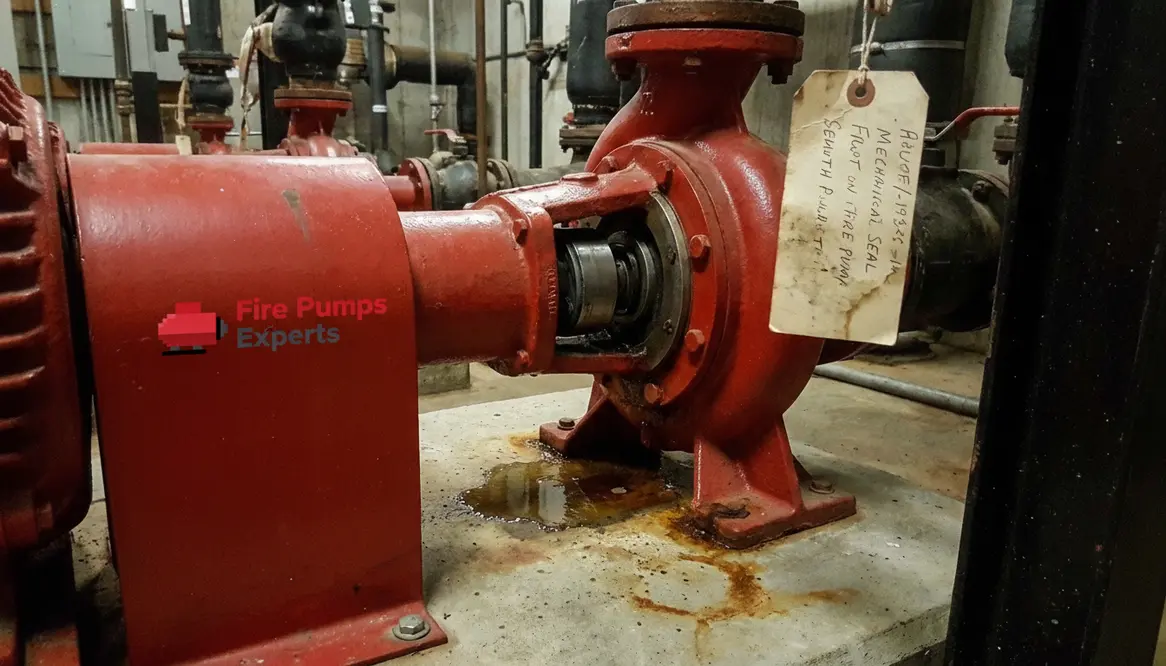
I have seen a small fire pump seal leak turn into a big headache faster than a coffee spill on a white shirt. At first, it may look harmless. A few drops. A wet flange. Maybe a little mist near the pump. However, in a commercial or industrial building, even a minor seal issue can point to a bigger problem waiting in the wings. Since fire pumps protect major properties, hospitals, warehouses, high rise buildings, and plants, I always treat seal trouble with respect. That is not fear talking. That is experience talking.
In this guide, I will break down when a leak matters, what causes it, and how I judge the next step. I will keep it practical, clear, and focused on facilities that depend on steady fire protection. Because in this line of work, “we will look at it later” can age about as well as milk in July.
What a Seal Leak Usually Means
A fire pump mechanical seal keeps water where it belongs while the pump runs under pressure. When it starts leaking, I first ask a simple question: is this normal seepage, or is it a sign of failure? A very small amount of moisture during startup can happen on some systems. However, a steady drip, spray, or growing wet area tells me the seal is wearing out, misaligned, or damaged.
Here is the practical rule I use:
Minor concern
If I see light moisture, and the pump still runs well, I still watch it closely.
Serious concern
If the leak grows, leaves puddles, affects pressure, or keeps returning after cleanup, I treat it as a real problem.
Also, if the pump room has heat, vibration, or poor ventilation, seal wear can move faster than anyone expects. That is where a small issue starts acting like a Marvel villain with a grudge.
When a Fire Pump Seal Leak Becomes a Real Problem
I get concerned when the leak changes from cosmetic to operational. In other words, I watch for signs that the pump is no longer doing its job cleanly and consistently. A fire pump should stand ready for an emergency, not drip like it has stage fright.
I pay close attention when I see these signs:
- Water builds up under the pump or on nearby equipment
- The leak gets worse during operation
- Pump pressure drops or becomes unstable
- The seal area feels hot, noisy, or shaky
- Rust, scale, or mineral buildup appears near the seal
If any of those show up, I move fast. A fire pump seal leak can lead to bearing damage, motor strain, and pump failure. And because fire pumps serve life safety systems in commercial and industrial facilities, I never assume the issue will “settle down.” It usually does the opposite.
What I Check First During Inspection
When I inspect a leaking seal, I start with the basics and work outward. That saves time and prevents guesswork. I want to know if the problem comes from the seal itself or from something around it.
Possible Cause
Seal wear, shaft wear, vibration, misalignment, contamination, heat, or dry running
What I Look For
Wetness pattern, pump noise, shaft play, pressure changes, and signs of buildup
After that, I review the pump history. If the unit has had repeated starts, high heat, or past maintenance issues, I take that as a clue. A seal does not fail in a vacuum. Something usually pushed it there.
I also check whether the pump room conditions support the equipment. If the room stays too hot or dirty, the seal may wear out sooner. In that case, I do not just replace a part and walk away. I look for the reason behind the wear.
How I Decide on Repair or Replacement
Not every fire pump seal leak needs a full pump overhaul, but I do not gamble either. If the leak is early and the rest of the pump looks healthy, a seal replacement may solve it. However, if I find shaft damage, bearing wear, or repeated leaks, I lean toward deeper repair work.
For large properties, that choice matters. A quick patch can create repeat service calls. Meanwhile, a proper fix protects uptime and helps the system stay ready for inspection, testing, and actual fire response. I think of it like repairing a tire: if the rim is bent, a plug will not save the day.
If you want a deeper look at pump care, I recommend reviewing this fire pump maintenance guide for industrial facilities. It helps connect seal trouble with the bigger picture of system health. Also, for local support, I suggest this los angeles fire pump service resource, especially for commercial and industrial properties that need dependable service.
FAQ: Fire Pump Seal Leak Questions
Quick answers for when you are staring at a leak and wondering how urgent it really is.
Conclusion
If I see a fire pump seal leak, I do not wait for it to turn dramatic. I look at the size, the pattern, and the effect on performance, then I act with the safety of the building in mind. For commercial and industrial facilities, that is not extra caution. That is the job. If your pump shows signs of seal trouble, schedule a professional inspection now and protect your system before a small leak grows into a costly failure.