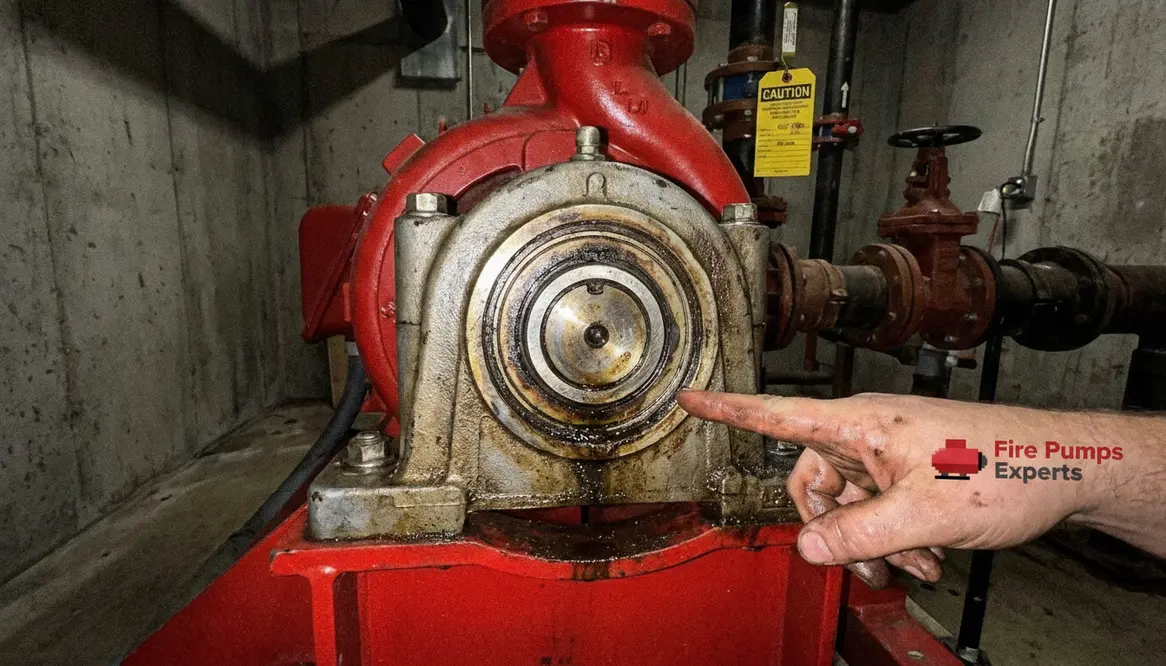
Fire Pump Bearing Failure: Symptoms, Causes, Prevention
When I talk about fire pump bearing failure, I am talking about one of those problems that can look small right up until it becomes a very expensive lesson. In a commercial or industrial fire protection system, the bearing keeps the pump turning smooth, steady, and ready. When that part starts to go bad, the whole system can suffer. And that is not the kind of surprise anyone wants during an inspection, a test, or a real emergency. So let us walk through the signs, the causes, and the practical steps I would use to keep a fire pump in fighting shape.
Recognize the warning signs early
I always start with the symptoms, because the pump usually tells on itself before it quits. First, I listen for noise. A healthy pump should sound steady. However, a damaged bearing can create grinding, squealing, or a low rumble that feels like the machine is clearing its throat before trouble starts. Next, I check for heat. If the bearing housing feels too hot to touch, that is a red flag. In addition, vibration often rises before a failure. The pump may shake more than usual, and that extra movement can spread wear across the shaft, seal, and coupling.
I also watch for leakage and poor performance. If the pump runs but pressure drops, or if the motor seems to work harder than normal, I pay attention. Sometimes the signs show up as a burnt smell, which is never a good sign unless you are in a kitchen and even then, it depends on what is cooking. In a fire pump room, that smell means stop, inspect, and act fast.
Why bearing problems start in fire pumps
There are several common causes, and most of them come down to stress, heat, or neglect. First, poor lubrication ranks high on the list. If grease breaks down, gets dirty, or gets applied in the wrong amount, the bearing loses its smooth surface. Then friction rises, and friction is the silent villain in this story.
Misalignment also causes trouble. If the motor and pump do not line up well, the bearing carries load in a way it never should. Over time, that extra force chews through the parts. Contamination is another big one. Dust, moisture, and debris can enter the housing and ruin the bearing surfaces. Furthermore, excessive pump operation outside normal conditions can shorten bearing life. A pump that runs too hot or too long will age faster, much like the rest of us after a week with poor sleep and too much coffee.
How I inspect a fire pump bearing failure
When I inspect a system, I move in a simple order. First, I look at the outside condition of the pump room. Then I check the bearing housing, seals, lubricant condition, and shaft movement. After that, I measure vibration and temperature if the equipment setup allows it. I also compare the current condition with past records, because trends matter. One bad reading can be a fluke, but several slow changes usually tell the real story.
Here is how I break the process down:
Quick inspection checklist
- Check for unusual noise during operation.
- Feel for heat at the bearing housing.
- Look for grease leaks or dirty lubricant.
- Review vibration levels and compare them to past tests.
- Confirm alignment between pump and motor.
- Inspect seals and nearby parts for wear.
Prevention steps that actually work
I prefer prevention because repairs after the fact cost more, and downtime never arrives at a convenient time. So, I start with proper lubrication. I use the right grease, in the right amount, on the right schedule. Too little grease starves the bearing. Too much grease can create heat and drag. Yes, even a bearing can suffer from overindulgence. The middle path wins again.
Next, I keep alignment tight. A small shift may not look dramatic, but the bearing will feel it every hour the pump runs. I also protect the pump room from moisture and dirt as much as possible. Clean conditions help a lot. In addition, I recommend regular testing and record keeping. If a pump begins to vibrate more, heat up, or sound different, the record will show it before the problem turns serious.
Fire pump bearing failure and system reliability
Dual column view
| Common issue | What it does |
|---|---|
| Bad lubrication | Raises heat and friction |
| Misalignment | Adds stress to the bearing and shaft |
| Contamination | Damages bearing surfaces |
| Overheating | Shortens bearing life fast |
| Poor maintenance | Lets small damage grow into major failure |
When I think about reliability, I think about the whole building, not just the pump. In a commercial or industrial facility, one weak bearing can become a chain reaction. Therefore, I treat early care as part of life safety, not just routine maintenance. If you want a deeper look at system readiness, I suggest reviewing my fire pump inspection guide for commercial facilities. Also, for a local resource, I recommend los angeles fire pump services for commercial and industrial properties.
FAQ: quick answers for busy teams
What are the first signs of bearing failure?
Noise, heat, vibration, and lower pump performance.
What causes most bearing damage?
Poor lubrication, misalignment, contamination, and overheating.
Can a fire pump still run with a bad bearing?
Yes, but it may fail without warning and damage other parts.
How often should I inspect bearings?
I recommend regular checks during scheduled fire pump maintenance and testing.
What is the best prevention step?
Use proper lubrication and keep the pump aligned and clean.
Conclusion
If I want a fire pump to stay dependable, I treat the bearings like the heart of the machine they are. Watch for noise, heat, vibration, and performance changes. Then act before a small issue turns into a shutdown. For commercial and industrial facilities, that kind of discipline protects property, people, and operations. If you need help with fire pump care, inspection planning, or troubleshooting, now is the time to take the next step and keep your system ready.