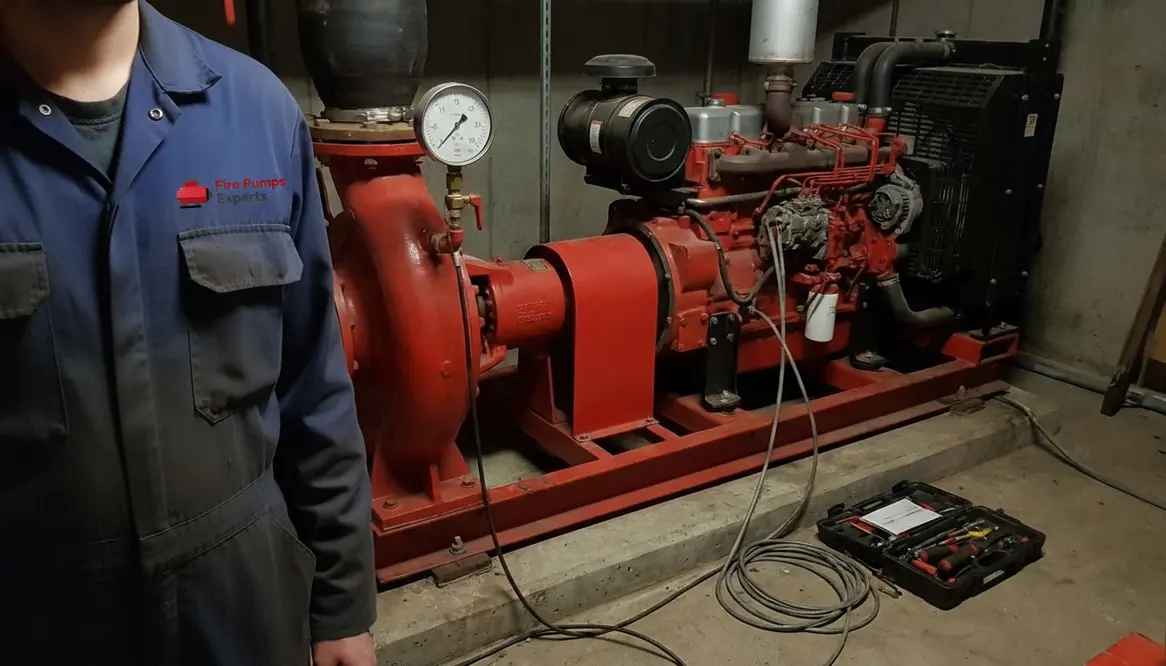
Fire Pump Vibration: Normal Signs and Warning Alerts
I have learned one thing over the years: a fire pump should hum with confidence, not shake like it just saw a ghost in a thriller movie. And that is exactly why fire pump vibration matters so much in commercial and industrial facilities, plus major property buildings. A little movement can be normal. However, the wrong kind of movement can point to serious trouble, from worn bearings to pipe strain to a pump heading toward a much bigger problem. So, if you manage a plant, tower, warehouse, or large facility, this topic is not just technical noise. It is protection, uptime, and peace of mind.
In this article, I will break down what normal vibration looks like, what should raise concern, and how I approach it when I want to keep a fire pump reliable, quiet, and ready for duty.
What normal vibration looks like in a fire pump system
First, a fire pump is not a sleeping cat. It will vibrate some. That is expected. Small vibration often comes from motor rotation, water flow, and the natural operation of moving parts. In many systems, you may notice a light, steady feel during startup and operation. That alone does not mean failure.
Normal vibration usually stays consistent. It does not suddenly jump, bounce, or create new sounds. It also tends to match the pump’s load and speed. For example, a pump running under high demand may feel a bit more active than one sitting at a lower load. Still, the motion should remain smooth and predictable.
Here is the key point: normal vibration should not cause loose bolts, noisy pipes, or visible shaking in the base. If the whole setup looks like it is auditioning for an action scene, I start looking closer.
Fire pump vibration warning signs I do not ignore
Now we get to the part that deserves respect. Warning signs show up when vibration changes, grows louder, or spreads through the system. These are the signals I watch for:
- New or rising vibration that was not there before
- Grinding, rattling, or knocking sounds during operation
- Loose hardware, pipe movement, or shifting alignment
- Heat near the motor, bearings, or coupling
- Leaks at seals or joints after the pump starts
- Erratic pressure or unstable pump output
These signs often point to a deeper issue. For example, a loose base can let the pump move too much. Likewise, misalignment can create extra stress on the motor and coupling. In addition, cavitation can make a pump sound like it is chewing gravel, which is never a comforting soundtrack in a building that depends on fire protection.
Why vibration happens in large facility fire pumps
Vibration does not appear out of thin air. It usually comes from a cause that has a name, a source, and a repair. In commercial and industrial settings, I often see a few common reasons.
Each of these can build on the next. So, a small issue in one area may create a larger one somewhere else. That is why I never treat vibration as a one note problem. It often has layers, like a mystery show with more plot twists than necessary.
How I check fire pump vibration step by step
When I inspect a system, I start with the simple things. First, I look at the base, bolts, and mounting points. Then I check for loose parts, signs of wear, and any pipe movement near the pump. After that, I listen. Sound tells a lot. A clean pump usually has a steady tone. A damaged one often tells on itself.
Next, I review alignment and bearing condition. I also look at the suction side of the system because poor water supply can lead to cavitation. Finally, I compare current behavior to earlier readings or past service notes. That history matters. A pump can look fine today and still be moving toward trouble tomorrow.
For deeper review, I suggest using a trusted resource like fire pump maintenance guide to keep inspection habits sharp. And if your facility needs local support, I also recommend reviewing los angeles fire pump services for commercial and industrial systems.
How to reduce vibration before it turns into damage
Prevention works better than repair. Every time. I focus on routine checks, proper alignment, tight foundations, and clean suction conditions. In addition, I make sure the pump room stays clear of clutter and service access stays open. That may sound basic, but basic care saves expensive headaches.
If I find early vibration, I act fast. Tightening a support, correcting alignment, or fixing a suction problem can stop the issue before it spreads. On the other hand, waiting too long can damage seals, bearings, and other parts that do not enjoy being abused by physics.
Regular service also helps me spot trends. A pump that vibrates a little more each month is sending a message. I prefer to listen before it starts shouting. When it comes to fire pump vibration, those small hints are the ones that help you stay ahead instead of reacting to the chaos after it starts.
FAQ
Conclusion
If I want a fire pump to stay ready, I do not wait for vibration to become a full blown problem. I treat small changes as early warnings and act before they grow teeth. For commercial and industrial facilities, that means better protection, fewer surprises, and less downtime. If your system feels off, now is the time to inspect, repair, and document it. Quiet confidence in a fire pump is a beautiful thing, and keeping an eye on fire pump vibration helps it stay that way.