FM DS 3 7 Fire Pump Installation Guide Commercial
FM Data Sheet 3 7 Fire Pump Installation Guide for Commercial and Industrial Buildings
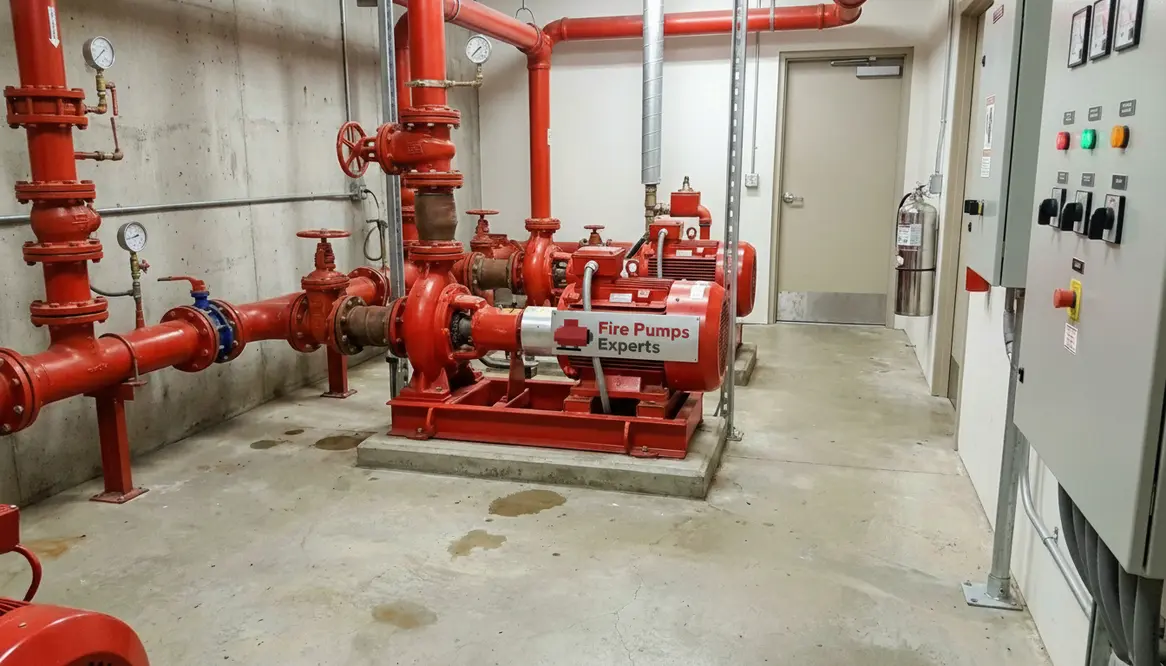
I have seen plenty of fire pump rooms that look calm on the outside and serious on the inside, much like a quiet Batman cave for water pressure. And when I work through an FM DS 3-7 installation, I treat it like the backbone of a building fire protection system, not just another piece of equipment in a corner. In commercial and industrial facilities, the pump must start fast, move water without drama, and support the sprinkler system when the pressure drops. So, I focus on placement, piping, power, testing, and access, because the little details often save the day when the big red pump actually has to perform.
How I plan the fire pump room for FM DS 3 7 compliance
Space, access, and safety
I always start with the room itself. First, I make sure the fire pump has enough space for service, testing, and safe access. Then I check ventilation, drainage, lighting, and the route for maintenance crews. A cramped pump room may look tidy, but it can turn into a headache faster than a printer error on Monday morning.
Location and protection
I also keep the pump in a location that supports the building’s fire protection needs. For major properties and industrial sites, I want direct access from the outside or a clear path that emergency staff can use fast. In addition, I verify that the room stays dry and protected from damage. Water on the floor may sound harmless until it reaches the wrong electrical part.
What I check before installing the pump and piping
Foundation, alignment, and pipe stress
Before I set the pump, I inspect the foundation, alignment, and pipe layout. The pump needs a solid base, and the piping must line up without stress. If the pipes pull on the pump casing, the system can fail early. That is the kind of problem nobody wants to explain after a fire alarm goes off.
Suction conditions and flow path
I also pay close attention to suction conditions. The pump must receive water in the right way, with proper pipe size, correct fittings, and low resistance. Therefore, I avoid sharp bends and awkward connections that choke flow. I want smooth water movement, because a fire pump should not have to fight its own plumbing like an actor trapped in a sequel nobody asked for.
Dual view: power, controls, and water flow
Below is the simple way I break the work into two parallel checks so nothing slips through the cracks.
Power and controls
I confirm the power source, controller, wiring, and backup path. Then I verify that the pump starts as expected and that signals reach the right panels. I also make sure the controller sits where staff can inspect it without trouble.
Water flow and piping
I confirm suction and discharge sizes, valve placement, and test connections. After that, I check for strain, leaks, and clear flow paths. Finally, I make sure the pump can deliver the pressure the building needs during an emergency.
Why FM DS 3 7 installation testing matters
Testing is where theory meets reality. I do not trust a system just because it looks polished and new. Instead, I run the pump, check startup behavior, observe pressure, and review the full sequence of operation. If the system hesitates, I want to know why before the building ever faces a real fire event.
For commercial and industrial properties, test records matter just as much as the test itself. Therefore, I document pressure readings, flow results, controller actions, and any corrections. This gives owners a clear record and helps support future inspections. Also, it keeps everyone honest, which is always useful in facilities management, right up there with coffee and duct tape.
How I keep the system ready for the long run
Routine checks and inspections
After installation, I focus on upkeep. A fire pump system needs regular checks, especially in large buildings where the risk and demand stay high. I look at the pump room, test valves, alarms, seals, power supply, and visible pipe condition. Then I confirm that nothing has shifted or corroded.
Training, awareness, and FM DS 3 7 installation standards
I also remind owners to train staff who may interact with the system. A fire pump is not a mystery box from a sci fi movie. People need to know what normal looks like, what alarms mean, and when to call for service. Moreover, a simple inspection habit can prevent major trouble later.
If you want a deeper look at standards and commercial fire pump service, I recommend reviewing this FM DS 3 7 fire pump guide for commercial properties. It supports better planning and helps facility teams keep the installation aligned with real world needs.
FAQ about FM DS 3 7 installation
Conclusion
If you are planning an FM DS 3 7 installation for a commercial or industrial building, I can help you get it right from the start. I focus on room layout, piping, power, testing, and long term reliability so your fire protection system works when it counts. Reach out today, and let us build a fire pump setup that supports safety, code goals, and peace of mind without the usual fire room drama.