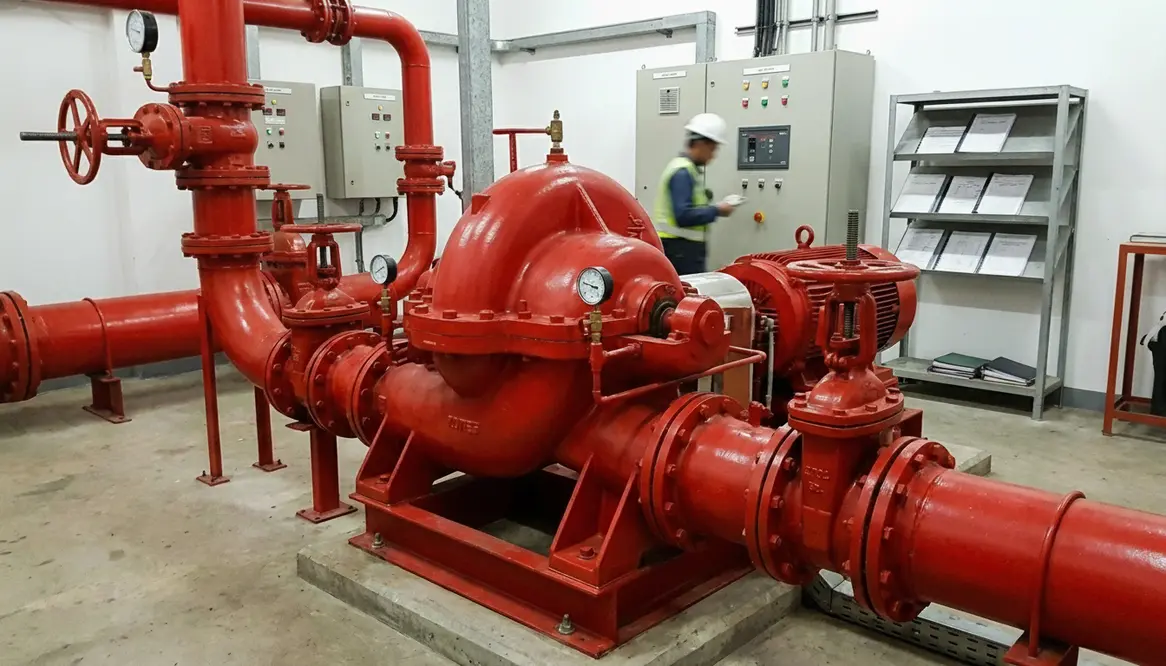
FM Global Fire Pump Guide for Building Owners
FM Global Fire Pump Recommendations for Building Owners
When I talk about fire protection for commercial and industrial properties, FM Global usually enters the room early, and for good reason. Their fire pump guidance helps building owners protect high value facilities, reduce shutdown risk, and keep water supply ready when the stakes get real. In plain terms, a fire pump is not the flashy part of a fire protection system, but it is the quiet hero. The kind of hero that shows up before the movie soundtrack kicks in. So, if you own or manage a major property, I want to walk you through what matters, what to watch, and how to make smart decisions without turning this into a semester of engineering school.
Why FM Global Fire Pump Guidance Matters for Major Properties
I look at fire pump planning as a business decision first and a code issue second. FM Global fire pump recommendations matter because they focus on risk control, not just minimum compliance. That difference matters a lot in warehouses, plants, distribution centers, data centers, and large commercial buildings where water delivery can make or break loss control.
FM Global often pushes owners to think about reliability, not just installation. That means I need to consider water supply, pump type, redundancy, suction conditions, and maintenance access. If the system looks fine on paper but fails when the pressure drops, then the paper was just expensive wall art.
Here is the simple truth: a fire pump must start fast, deliver enough pressure, and keep working under stress. Also, the whole setup must fit the building risk, the water source, and the fire protection design. I never treat the pump as a one size fits all purchase because major properties rarely live simple lives.
How I Evaluate Fire Pump Needs
Before I choose a pump, I start with the building use and fire load. A warehouse full of stored goods does not need the same setup as a manufacturing plant with process equipment. Likewise, a tall building with sprinkler zones needs a different approach than a sprawling industrial site.
I also check the water supply carefully. If the municipal supply cannot meet demand, the fire pump has to step in hard and fast. If the water source comes from a tank, suction design becomes even more important. Air leaks, poor piping layout, or weak supply conditions can cause performance problems, and those problems do not care about your calendar.
Core items I always review
When I review a property, I look at these core items:
Fire Pump Selection
- Electric pump
- Diesel pump
- Jockey pump
- End suction or split case design
Why It Matters
- Electric pump | Stable choice when power supply is reliable
- Diesel pump | Useful when backup power concerns exist
- Jockey pump | Keeps pressure steady and reduces nuisance starts
- End suction or split case design | Must match demand and site layout
That quick view helps me narrow the field, but I still dig deeper before I recommend anything. A good fire pump setup should support the building, not fight it like a bad sequel nobody asked for.
What FM Global Looks For in Fire Pump Design
FM Global fire pump recommendations usually point toward strong reliability and clean system design. I pay attention to placement, access, and the condition of the pump room. If the pump room is cramped, wet, poorly lit, or hard to reach, then maintenance gets harder and failure risk rises.
I also look at suction conditions. The pump must get water in a smooth, dependable way. If suction losses are too high, the pump may struggle. That can affect sprinkler performance during a fire, and that is exactly the kind of surprise I want to avoid.
Power and backup expectations
Another key point is power source. I often see owners assume the main power feed is enough. Sometimes it is. Sometimes it is as dependable as a phone battery at 2 percent during a long day. That is why I review backup options, especially for sites where power loss would put people, inventory, or operations at risk.
Testing and verification
FM Global also cares about testability. A fire pump should have a clear path for routine testing so the team can verify that it starts, holds pressure, and performs as expected. If I cannot test it with ease, then I do not trust it with comfort.
Fire Pump Maintenance Steps I Never Skip
Even the best fire pump will fail if nobody respects it. I treat maintenance like an investment in uptime, because that is exactly what it is. A neglected pump is not a backup plan. It is a future problem wearing a clean label.
Weekly and routine checks
I focus on a few key maintenance habits:
First, I check weekly or scheduled starts so I know the pump responds properly. Then I review the controller, valves, seals, and gauges. I also look for heat, vibration, leaks, corrosion, and unusual noise. If the pump sounds angry, I listen. Machines always tell the truth, even when the truth is annoying.
Space, access, and records
Next, I make sure the room stays clear and accessible. Fire pumps need space to breathe, space to work, and space for service crews to move safely. I also confirm that records stay current. A clean maintenance log helps me spot trends before they become failures.
Watching the water supply
Finally, I keep an eye on the water supply itself. A pump cannot fix a broken source. If the tank level drops, the suction line changes, or the supply pressure shifts, then the whole system needs attention right away.
How I Choose the Right Partner for FM Global Compliance
Choosing the right support team matters as much as choosing the right pump. I want a partner who understands commercial and industrial properties, major buildings, and the practical side of fire protection. That means experience with high demand systems, smart layout planning, and the ability to spot issues before they become costly surprises.
I also want clear communication. I do not need jargon for the sake of sounding clever. I need direct answers, solid recommendations, and a plan I can defend to leadership, insurers, and facility teams. If a provider understands FM Global fire pump expectations and can help me align the system with the building risk, then I am already ahead of the game.
If you want a deeper look at trusted fire pump standards and service support, I recommend reviewing commercial fire pump guidance for industrial facilities through a source that focuses on major properties and high value operations. That kind of reference helps build a stronger plan from the start.
Where FM Global global Strategy Fits In
When I look at the bigger picture, FM Global global guidance on fire pumps ties local decisions back to a broader risk philosophy. The idea is simple: consistent reliability across sites beats patchwork upgrades and guesswork. I see owners benefit when their facilities follow a shared playbook instead of reinventing the wheel every time they add a building or upgrade a system.
FM Global global expectations push teams to think about long term performance, not just the next inspection. That means designing pump rooms so they are easy to service, planning for realistic power interruptions, and documenting tests and changes in a way that any auditor or insurer can follow without confusion.
When building portfolios stretch across regions, applying FM Global global fire pump practices helps avoid surprise gaps. A site in one city should not have bulletproof reliability while a sister site struggles with weak suction and poor testing. Using the same standards, language, and expectations keeps risk aligned with what leadership believes they are paying for.
FAQ
Conclusion
If I want real protection for a commercial or industrial property, I do not treat the fire pump as a side note. I treat it as mission critical. FM Global fire pump recommendations give me a smarter path to reliability, lower risk, and better control. So, if your building depends on steady water delivery when it matters most, now is the time to review your system, tighten your plan, and talk with a qualified fire protection expert today.