UL FM Fire Pumps for Global Projects Explained
UL/FM Fire Pumps Explained for Global Projects
When I talk about fire protection for commercial and industrial buildings, I always come back to one thing: UL/FM global approval matters. It gives project teams a clear path when they need fire pumps that meet strict safety expectations across markets. In other words, it helps cut through the noise. And yes, in a world full of “trust me, bro” promises, that matters.
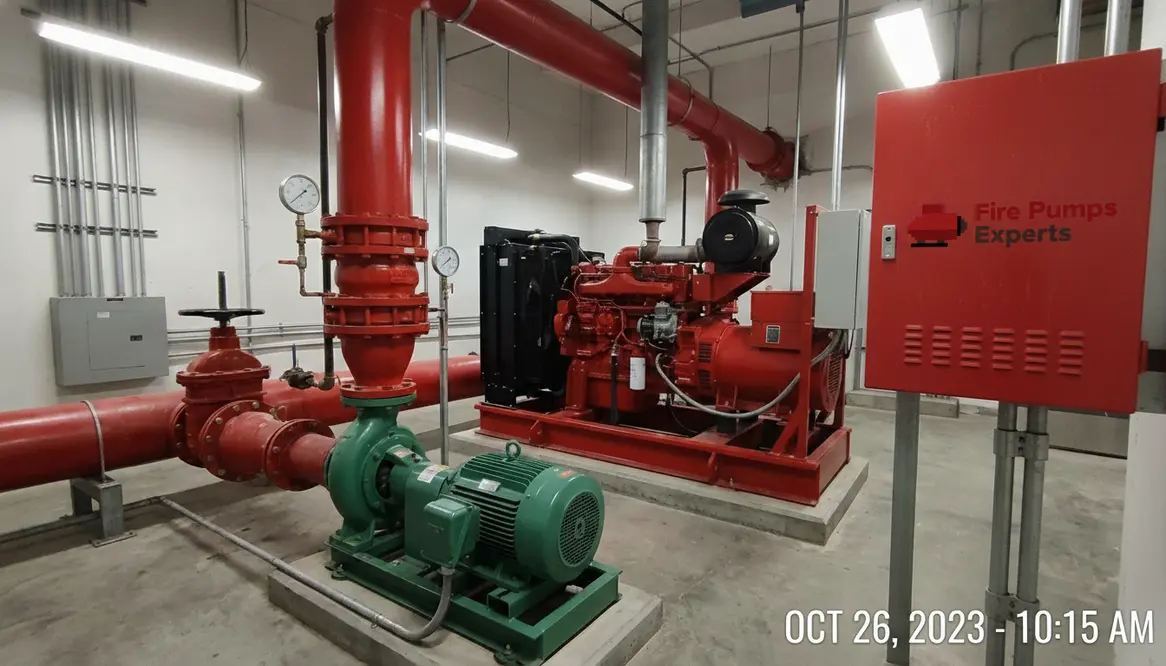
For major property builds, plant sites, warehouses, high rise towers, and large mixed use projects, a fire pump is not just another piece of equipment. It is the heart of the system when water pressure drops. So, if the building is big enough to make your coffee get cold before you finish walking it, you need a serious pump plan.
What UL FM fire pumps mean for global projects
I use UL and FM approved fire pumps as a benchmark for reliability, performance, and code aligned protection. UL stands for Underwriters Laboratories, while FM refers to FM Global standards. Together, they tell me the pump has passed strict tests for fire service use. That gives engineers, owners, and contractors more confidence when they build for risk, scale, and long service life.
For global projects, this matters even more. Different regions may have different codes, yet many clients want a single standard that works across borders. Therefore, UL and FM approval helps teams speak the same language. It also makes procurement easier, because the spec already carries weight with consultants, insurers, and authorities having jurisdiction.
In practice, I see these pumps used in commercial towers, logistics hubs, factories, energy sites, and other major properties. They support sprinkler systems, standpipes, and hydrants. More importantly, they help maintain pressure when the main water supply cannot do the job on its own. That is not glamour work, but neither is a fire alarm at 2 a.m., and yet here we are.
How I choose the right pump type for a site
When I review a project, I start with the water source, the system demand, and the building risk. From there, I narrow the pump type. Most large projects use one of these:
Diesel fire pumps for sites that need strong backup and high resilience during power loss.
Electric fire pumps for facilities with reliable power and a clean, simple setup.
Jockey pumps to hold system pressure and reduce unnecessary main pump starts.
Each option solves a different problem. However, I never pick based on habit alone. I look at flow rate, pressure demand, available space, fuel access, maintenance support, and local code requirements. That way, the pump fits the building instead of forcing the building to fit the pump. That would be rude, and expensive.
Dual view for project teams
Engineering side
The right pump must meet demand at the farthest point in the system. It should also match the hazard class and water supply profile.
Operations side
The pump must stay easy to inspect, test, and maintain. If a team cannot service it without a treasure map, problems will follow.
UL FM global requirements I check before approval
Before I sign off on a fire pump plan, I check a few core items. First, I confirm the pump rating and curve. Then I review the driver type, suction conditions, and controller setup. After that, I look at the room layout, ventilation, drainage, and access for testing. Small details matter here. A pump room that looks fine on paper can turn into a headache if the installer leaves no room to move, which is a classic construction plot twist.
I also review the certification path. A UL/FM global compliant system often includes the pump, driver, controller, and related accessories. If one part does not match the listing or approval basis, the whole design can suffer. Therefore, I keep the equipment list tight and the documents clean.
In many global projects, the approval file helps with insurer review and project sign off. That is why I treat documentation as part of the fire protection system, not just paperwork. Paper may seem boring, but it can save a site from delays, rework, and awkward calls no one wants to make.
Installation and testing on large properties
Installation quality can make or break performance. I always want the pump set on a stable base, with proper alignment and enough space around it. The suction pipe must support smooth flow, and the discharge side must follow the design without stress on the casing. If the piping fights the pump, the pump will remember. Machines may not hold grudges, but they do fail loudly.
Testing is just as important. I look for flow tests, churn tests, controller checks, and emergency start checks. For diesel units, I also watch fuel system condition, battery health, and exhaust routing. For electric units, I check power supply stability and controller logic. Every test proves one thing: the system can work when real heat shows up.
For owners of commercial and industrial facilities, I recommend a maintenance plan from day one. Regular inspection keeps the pump ready and extends its life. It also helps teams catch wear before it turns into downtime. And in fire protection, downtime is a very expensive joke.
Why I trust UL FM global standards for long term protection
When I step back and look at the full picture, UL and FM approval gives global project teams something valuable: confidence. It helps reduce design risk, supports code compliance, and builds trust with owners and insurers. It also brings order to a field where the stakes stay high and the margin for error stays thin.
For https://firepumps.org and similar commercial and industrial applications, that means one thing. The pump system must protect people, property, and operations without guesswork. So, I see UL/FM approved fire pumps as more than equipment. I see them as a long term safety decision that supports the life of the building.
When UL/FM global equipment is specified early, project teams gain clearer coordination between design, procurement, and commissioning. That shared framework reduces back-and-forth over compatibility, keeps submittals cleaner, and signals to authorities and insurers that the project takes fire safety seriously from the first draft.
FAQ
Call to Action
If you are planning a commercial or industrial project, I recommend starting with a UL and FM approved fire pump strategy early. The right design saves time, supports compliance, and lowers risk before construction gets busy. So, review your pump needs, check your documentation, and align your team before the schedule starts to sprint. A strong fire pump plan is not extra. It is the backbone of reliable protection, and that is worth doing right the first time.
Make UL/FM global alignment part of the first conversation, not the last-minute fix. When the pump, controller, and support systems are chosen with that standard in mind, the entire fire protection strategy becomes easier to justify, easier to maintain, and far more likely to perform when pressure matters most.