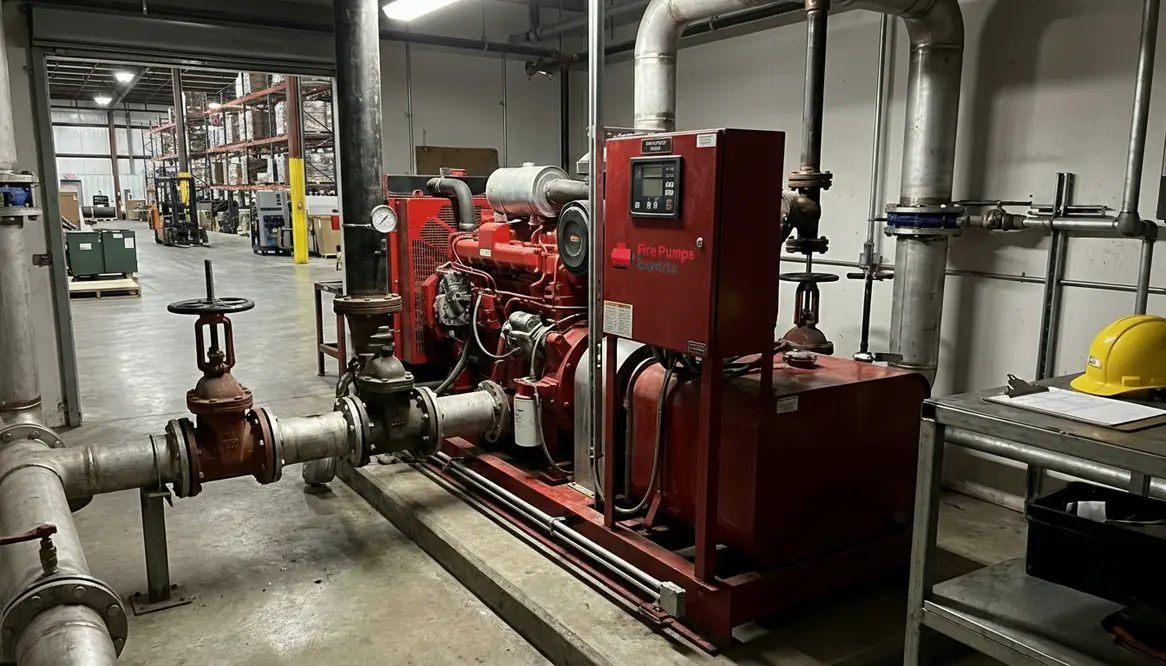
AS 2118 Fire Pump Requirements for Industrial Sites
AS 2118 Fire Pump Requirements for Industrial Sites are not the sort of thing that set a room on fire with excitement, but they do keep a site from becoming the next headline. I write that with respect. When I work through AS 2118 industrial fire systems, I treat the pump as the quiet muscle behind the whole setup. It sits there, calm as a chess master, until the day the system needs pressure, flow, and zero excuses. For industrial sites, that matters more than anyone likes to admit, because production, storage, and life safety all depend on the same hard working backbone.
In this guide, I break down what I look for, what the standard pushes you to do, and why industrial sites need more than a basic setup. I keep the focus on commercial and industrial properties only, because that is where the real risk and the real responsibility live.
What AS 2118 industrial fire pump systems must do
At the core, the fire pump must deliver enough pressure and flow to support the sprinkler or hydrant system when demand rises. In plain terms, the pump must wake up fast, work hard, and keep steady pressure when the rest of the site needs help most. That sounds simple, yet the details matter. Industrial sites often have large footprints, high ceilings, long pipe runs, special hazards, and water demand that can rise faster than a supervisor on a Friday afternoon.
I look at the pump as part of a chain. If the supply tank, control gear, valves, or power source fall short, the whole system weakens. Therefore, AS 2118 requires careful matching of pump size, site demand, and system design. The pump must suit the site, not the other way around. If the system serves heavy plant rooms, storage areas, or high risk production zones, I expect the design to reflect that reality with no shortcuts and no “close enough” thinking.
How I check pump selection and supply needs
The first step is always demand. I want to know the flow rate, pressure need, and duration of supply the system must hold. Then I compare that with the pump curve and the water source. If the source cannot keep up, the pump becomes an expensive actor in a play with no ending. Funny in theory, not funny in practice.
When I review industrial pump selection, I also look at:
- site hazard level and building use
- water storage capacity and refill time
- electrical supply or diesel backup
- pump room access and ventilation
- control panels, alarms, and starting method
These points matter because a fire pump must start reliably and keep running under stress. In addition, the system must handle the way the site actually operates. A manufacturing plant does not behave like a small warehouse, and a major property with mixed uses can place very different demand on the same system. So, I test the design against reality, not hope.
Dual column overview of key AS 2118 fire pump checks
Below is a simple way I break the checks into two groups. On one side, I focus on performance. On the other, I focus on installation and safety. Both sides matter, because a powerful pump in the wrong place can still fail the job. Even Batman needed the right gear.
Performance checks
- required pressure at the most remote point
- steady flow under demand
- starting reliability
- pressure stability during operation
Installation checks
- correct pump room layout
- clear access for service and testing
- safe power and control setup
- protected valves and pipe connections
What matters during installation and testing
Once the equipment is selected, installation quality takes center stage. I have seen well sized systems fail because of poor layout, weak supports, bad wiring, or a room that made servicing feel like a gym trial. AS 2118 industrial requirements push for proper placement, safe access, and reliable operation. That means I check clear space around the pump, the condition of suction and discharge lines, and the way the system handles heat, noise, and vibration.
Testing is just as important. I want proof that the pump starts when it should, reaches the needed pressure, and stays stable under load. Also, I check alarms and monitoring because a silent fault can become a loud disaster later. Routine flow tests, pressure checks, and visual inspections help keep the system honest. In short, if a fire pump only looks good on paper, it is not ready for an industrial site.
Why maintenance and compliance protect major properties
Fire pump compliance is not a one time victory lap. It is a long game. Industrial sites change over time, and so do loads, layouts, and risks. A rack moves, a production line expands, or storage density rises. Then suddenly the old fire design works like it is running on dial up. That is why I treat maintenance as part of compliance, not an optional extra.
Regular checks help me catch wear before it turns into failure. Bearings, seals, control gear, fuel systems, batteries, and valve positions all need attention. In addition, records matter. Good logs show that the system has been inspected, tested, and kept ready. For commercial and industrial facilities, that paper trail can save time, money, and a great deal of stress when auditors or insurers ask questions.
If you want a reliable source for more industry focused guidance, I recommend reviewing the industrial fire pump compliance resources at firepumps.org. It keeps the focus where it should be: on commercial and industrial sites with real fire risk and real duty of care.
FAQ
Conclusion
If I had to sum it up, I would say this: a fire pump is not just equipment, it is protection with a motor. For industrial sites, AS 2118 gives the structure, but the real result depends on smart design, solid installation, and regular testing. If your facility handles serious risk, now is the time to review your system, close the gaps, and make sure your fire protection can do the job when it counts.