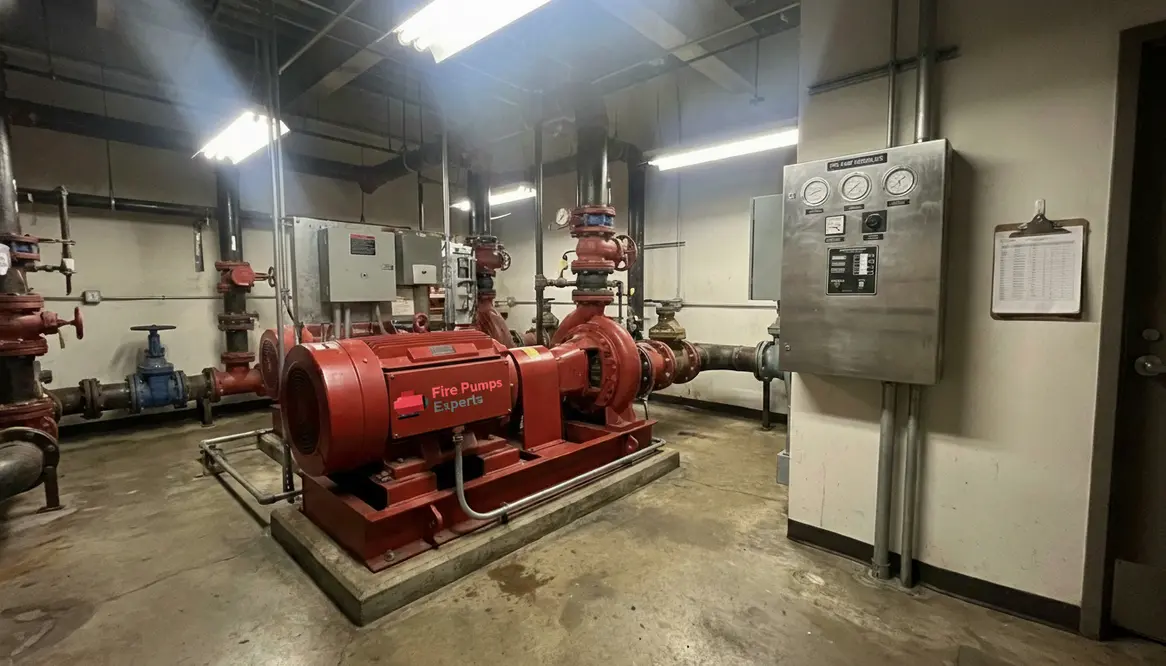
AS 2118 Fire Pump Requirements for High Risk Sites
AS 2118 Fire Pump Requirements for High Risk Facilities matter because high risk buildings do not get second chances. In my world, when a fire starts in a commercial tower, warehouse, hospital, or industrial plant, the fire pump has to wake up fast and keep the water moving. That is where AS 2118 requirements step in. They guide how fire pumps are selected, installed, tested, and maintained so the system can do its job when the heat is on. And yes, this is the part where boring paperwork saves a building. Not exactly Hollywood, but very heroic.
In this article, I will walk through the main rules, the design logic, the testing steps, and the common traps that can trip up even solid projects. I will keep it practical, clear, and focused on commercial and industrial facilities, because that is where these systems matter most.
What AS 2118 fire pump rules mean for high risk facilities
When I talk about AS 2118 fire pump requirements, I mean the standards that help a fire pump deliver reliable pressure and flow during an emergency. High risk facilities need more than a basic setup. They need a system that matches the hazard, the water demand, and the building use.
In simple terms, the standard pushes me to ask three questions. First, how much water does the hazard need? Second, can the pump supply it under real fire conditions? Third, will the system still work if part of the site fails? That last one matters a lot in plants and major properties, because chaos rarely sends a polite warning email.
AS 2118 requirements usually sit inside a bigger fire protection plan. So, I never treat the pump as a lone machine in a corner. I look at the whole setup, including tanks, mains, valves, controllers, power supply, and the risk level of the site.
How I assess pump sizing, water supply, and system demand
The first job is sizing. If the pump is too small, it will struggle like a tired superhero in the third act. If it is too large, it can create control issues and waste money. So, I match pump output to the design demand of the protected area.
The next step is water supply. A fire pump can only do so much if the source runs dry or drops pressure too far. Therefore, I check whether the supply comes from a tank, town main, or another approved source. I also look at how stable that supply stays during peak demand and emergency use.
AS 2118 requirements push me to verify that the pump can maintain the flow and pressure needed at the most demanding point in the system. That means I check friction loss, pipe layout, elevation changes, and any device that may reduce performance. Small details matter here. A bend in a pipe may look harmless, but it can act like a diva and steal pressure when nobody is watching.
Design check
Match the pump curve to the system demand and hazard level.
Water check
Confirm the source can support the required fire flow for the needed duration.
Pressure check
Make sure the pump can overcome losses and still deliver at the farthest point.
Reliability check
Confirm backup power or alternate supply where the risk calls for it.
AS 2118 fire pump installation details I watch closely
Installation can make or break a fire pump system. A strong design can still fail if the site team places the pump badly or leaves access too tight. So, I look at the room, the clearances, the pipe supports, and the controller location before I call the job complete.
Dual columns
| What I check | Why it matters |
| Pump room access | Crews need space for inspection, repair, and fast emergency response |
| Controller placement | Operators must reach it quickly and safely |
| Suction and discharge piping | Poor layout can reduce flow and stress the pump |
| Ventilation and drainage | Heat and water buildup can damage equipment |
| Power and fuel support | The pump must start and keep running when needed |
I also pay close attention to isolation valves and alarms. They must be clear, labeled, and easy to use. In a real emergency, nobody wants to play a guessing game. That is not a good time for mystery theater.
Another key part of AS 2118 requirements is coordination with other fire protection systems. The pump must work with sprinklers, hydrants, and any site specific fire strategy. If those parts do not line up, the system may look complete on paper but fail under pressure. And pressure, in fire protection, is not just a number. It is the whole story.
Testing, maintenance, and common mistakes in high risk sites
Once the pump is in place, I do not trust looks alone. A clean pump room does not prove performance. I need test records, maintenance routines, and real operation checks. That is how I know the system can actually protect the building.
Regular testing should confirm start up, flow, pressure, controller response, and power transfer if backup power applies. I also review inspection logs for wear, leaks, vibration, and unusual noise. These small warning signs often show up before a bigger failure. Think of them as the fire pump’s version of a check engine light, but with much more at stake.
The most common mistakes I see include:
- Ignoring changes to building use or hazard level
- Using a pump that does not match the current demand
- Blocking access to the pump room
- Skipping routine test runs
- Failing to document repairs and upgrades
AS 2118 requirements expect the system to stay ready over time, not just on handover day. So, I always treat maintenance as part of compliance, not an optional extra. In commercial and industrial facilities, downtime can cost a fortune, but fire system failure can cost much more than money. That is the kind of math nobody enjoys.
Frequently asked questions about AS 2118 fire pump requirements
Below are straight answers to common questions that come up when high risk facilities review AS 2118 fire pump requirements and how they apply to real projects.
Conclusion and next steps for high risk facilities
If you manage a commercial or industrial site, I would not leave fire pump compliance to chance. Review your pump setup, test records, and system design against AS 2118 requirements before a problem finds you first. A proper check today can save time, money, and serious risk later. If you need expert support for a high risk facility, now is the right time to assess, upgrade, and protect the building with confidence.