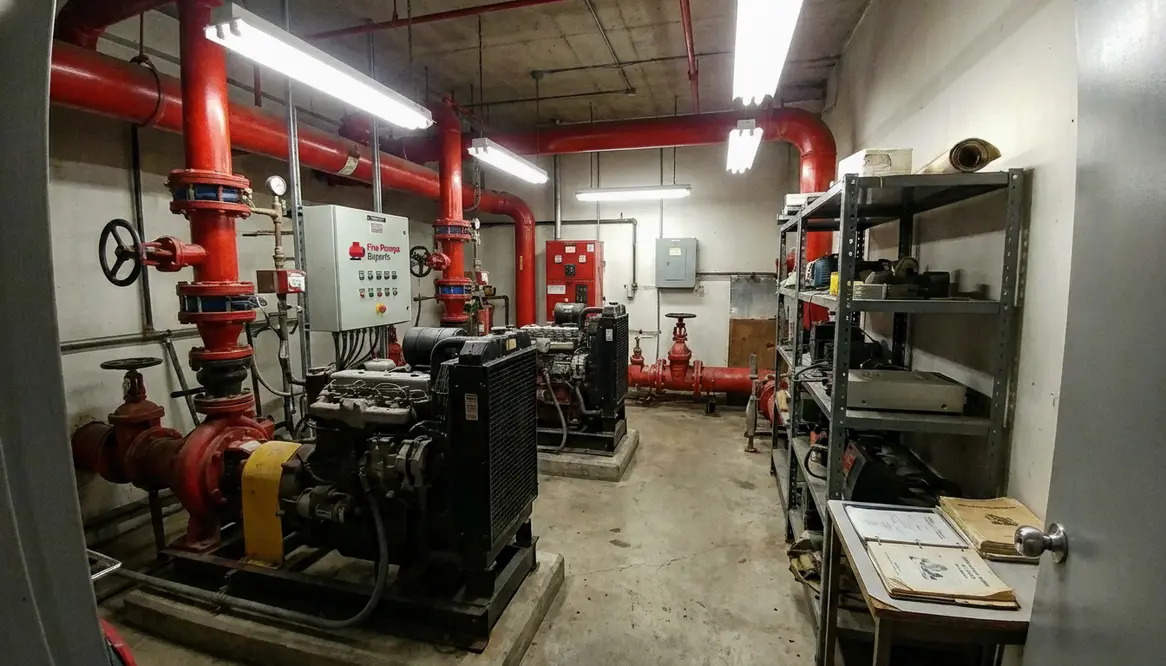
AS 2118 Fire Pump Design Mistakes to Avoid
Small mistakes in AS 2118 fire pump design cause big headaches. A pump room can look fine on paper and then the real world shows up like an uninvited guest in a sitcom, exposing every shortcut and lazy assumption.
When I look at AS 2118 fire pump design for commercial and industrial facilities, I see one truth over and over: the small mistakes cause the big headaches. A pump room can look fine on paper, and then the real world shows up like an uninvited guest in a sitcom. In the first 100 to 150 words, I want to make one thing clear. If the pump design does not match the building load, water supply, and system demand, the whole fire protection plan can wobble fast. So, I will walk through the most common errors I see, why they happen, and how I avoid them in major properties and heavy duty sites.
Why AS 2118 fire pump design fails in real projects
I often see people treat fire pump design like a box ticking exercise. However, AS 2118 does not reward shortcuts. It asks for a system that works when the pressure drops, the power fails, and everyone suddenly remembers the emergency plan. That is the moment the design must perform.
The first mistake I see is guessing instead of checking. Some teams size the pump from old notes, not fresh site data. Others assume the water source will always deliver the same flow. It will not. A commercial tower, warehouse, hospital, or industrial plant can change over time, and that shift matters.
Here is the practical rule I use: I confirm the demand first, then I test the water supply, and only then do I select the pump. That order keeps the design grounded. It also avoids the kind of surprise that makes project meetings feel like a season finale.
Common AS 2118 fire pump design mistakes I avoid on site
I keep this list short, because the problems are common but not harmless. These are the repeat offenders I see on projects that looked “fine” until someone tested them properly.
1. Wrong pump sizing
If the pump is too small, the system starves. If it is too large, it can create unstable pressure and poor control. Either way, the design loses balance and the AS 2118 design intent is missed in practice.
2. Poor suction layout
If the suction line has bad routing, sharp turns, or weak flow conditions, the pump can struggle. That is a simple issue with a not so simple fix once the pipework is set in concrete and steel.
3. Weak power planning
A fire pump needs reliable power. Therefore, I check the supply, backup arrangement, controls, and changeover logic early in the design stage. A beautiful pump installation means little if the first blackout turns it into a sculpture.
4. Bad room placement
A cramped pump room can block access, limit maintenance, and raise heat issues. In a crisis, nobody wants to play escape room with critical equipment.
5. Poor coordination with the rest of the fire system
The pump does not live alone. It must work with tanks, valves, alarms, pipe sizes, and the building’s fire demand profile. A solid AS 2118 design links these pieces so they behave like one system, not a random collection of hardware.
What I check before final pump selection
Before I approve a design, I go through a simple but serious review. First, I look at the building type and fire risk. Then, I check the flow and pressure needs for the full system. After that, I compare the water source performance against the pump duty point. Finally, I look at space, access, and maintenance needs.
That order matters because a good pump can still fail in a bad setting. For example, a pump that works on paper may still underperform if the suction conditions are weak. Likewise, a strong water supply means little if the control setup is poor. In other words, the design must work as one team, not a collection of solo acts like a band with three lead singers and no drummer.
AS 2118 design mistakes in commercial and industrial facilities
In large facilities, I pay extra attention to risk variation. A shopping complex, a logistics centre, and a manufacturing plant do not have the same fire profile. Therefore, I do not copy and paste a design from one site to another. That is how mistakes sneak in dressed as efficiency.
Two column view for fast review
Design area
Pump duty
Water source
Power supply
Pump room
What I check
Flow, pressure, and real demand
Tank level, supply stability, and refill path
Primary and backup reliability
Access, heat, clearance, and maintenance space
Also, I watch for future changes. A building may expand, add equipment, or change its use. If the AS 2118 design for the fire pump has no margin for that growth, the system can age badly. I would rather build smart now than explain later why the “forever” design lasted about as long as a reality show reunion.
How I keep AS 2118 fire pump design compliant and practical
I keep the design practical by staying close to the site reality. First, I verify the hydraulic data with care. Next, I align the pump selection with the actual system need, not the wish list. Then, I make sure the controls are clear, the access is safe, and the maintenance path is open. After that, I review the design with the rest of the fire protection package so no part works against another.
When needed, I also use trusted technical guidance and industry resources to support the design review. For example, I may point teams to AS 2118 fire pump design guidance for commercial sites when they need a clearer path through the process. That helps keep the focus on real buildings, real loads, and real compliance.
FAQ
Conclusion
If you want your AS 2118 fire pump design to hold up in a real emergency, I suggest you treat every choice like it matters, because it does. I check the load, the water, the power, and the room before I trust the system. If you manage a commercial or industrial facility, now is the time to review your design with care. I can help you spot the weak points, tighten the plan, and build a fire pump setup that performs when it counts.