AS 2118 Fire Pump System Compliance Guide
AS 2118 Fire Pump System Compliance Guide for Commercial and Industrial Buildings
When I talk about AS 2118 compliance, I am talking about one of the most important safety systems a commercial or industrial building can have. A fire pump system does not sit there for decoration like a fancy lobby chair. It stands ready to push water where it is needed, fast. For major properties, that can mean the difference between a small incident and a very bad day. In this guide, I will walk through what matters, why it matters, and how I keep the process clear for building owners, facility teams, and managers who want peace of mind without the smoke and mirrors.
What AS 2118 compliance means for fire pump systems
AS 2118 compliance means the fire pump system meets the Australian Standard for fire protection design, installation, testing, and performance. In plain terms, the system must work when the building needs it most. I always start with the basics: the pump must support the fire sprinkler or fire hydrant system at the right pressure and flow. If it cannot do that, then it is like bringing a spoon to a sword fight.
For commercial and industrial facilities, the standard matters even more because the risk is higher. Warehouses, processing plants, shopping centres, office towers, and large mixed use properties all depend on a system that responds under pressure. I look at the building use, water supply, pump size, controls, backup power, and ongoing maintenance. Each part must work as one team, much like a solid Avengers lineup, except with fewer capes and more testing logs.
How I check fire pump system compliance step by step
From design review to live testing
I break the compliance process into clear steps so nothing gets missed. First, I review the building fire protection design and compare it against the relevant standard. Then I inspect the pump set, controller, valves, suction supply, discharge arrangement, and alarms. After that, I verify the pump can deliver the required performance under real conditions.
My practical compliance flow
- Review the building type, fire risk, and system design
- Check that the pump capacity matches the fire demand
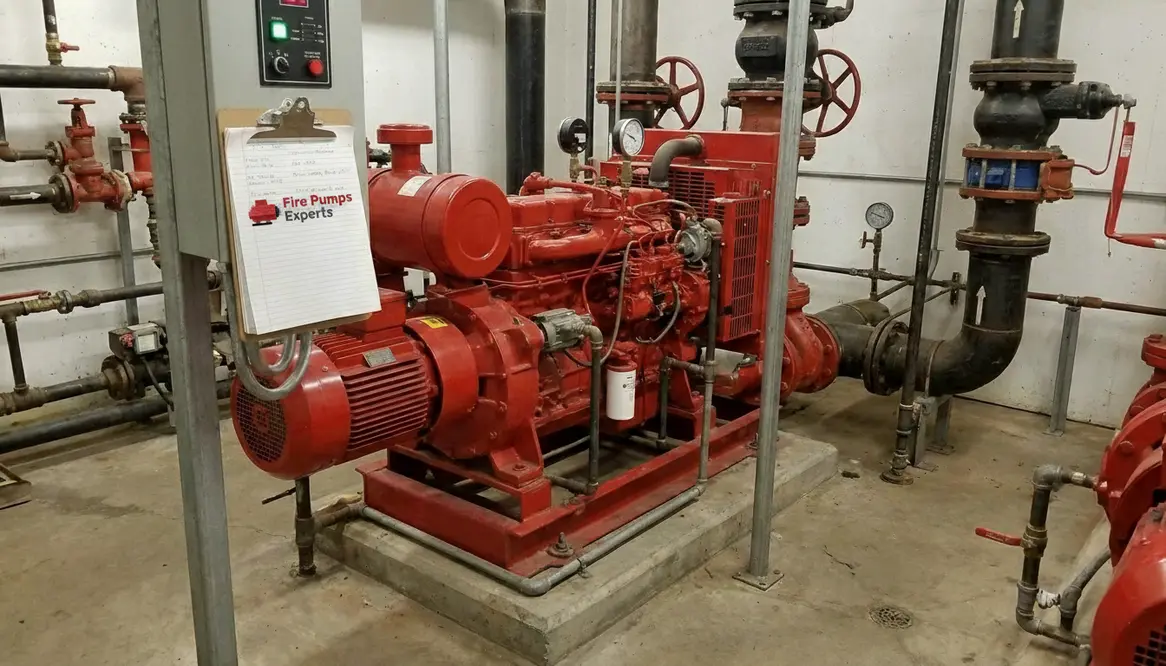
- Inspect the pump room layout and access
- Confirm power supply and backup arrangements
- Test startup, run performance, and alarm response
- Record results and flag any faults or gaps
Then I compare the results with the standard and the site needs. If something falls short, I treat it early. That is far cheaper than waiting for a failure and then calling it a “learning experience,” which is a nice phrase for a very bad outcome.
AS 2118 compliance checks I use on site
Here I focus on the real things I look for during a site visit. These checks help me see whether the system will perform under pressure, not just pass a paperwork test.
| Area | What I check |
| Pump capacity | Flow and pressure against the fire demand |
| Power supply | Reliable main power and backup support |
| Controls | Controller condition, alarms, and auto start |
| Pipework | Leaks, valve position, and clear flow path |
| Room conditions | Access, ventilation, drainage, and security |
These checks matter because a fire pump system does not fail all at once in many cases. Instead, small problems build up. A valve sits partly closed. A battery weakens. A controller trips. Then one day the system needs to perform, and it decides to act like a side character in a disaster film. I prefer systems that show up for the lead role.
Testing, maintenance, and records that keep the system ready
Keeping pumps ready, not just installed
Testing and maintenance keep the system compliant over time. I never treat installation as the finish line. In fact, it is the starting line. Fire pumps need routine checks, load testing, and clear records. That includes monthly, quarterly, and annual work, depending on the system and site requirements. I want proof that the pump starts when it should, runs at the right level, and stops safely after use.
Why records are your silent compliance ally
Good records also make life easier for owners and facility managers. They show what was tested, what passed, what failed, and what got fixed. As a result, they help with audits, insurance needs, and compliance reports. I also find that solid records save time during upgrades or repairs because they tell the real story, not the “I think it was fine last year” story, which helps no one.
How I help commercial and industrial properties stay audit ready
For major properties, I focus on long term readiness, not just one inspection. I look at the building’s fire safety strategy, then I match the pump system to that strategy. If the site changes use, expands floor space, or adds new fire protection loads, the system may need review. That is why I keep the compliance process tied to the building, not just the calendar.
I also keep communication simple. Facility teams need clear answers, not a lecture full of jargon that sounds like it was written by a robot with a law degree. So I explain the issue, the risk, and the fix in plain language. That way, owners can make decisions fast and keep the site safe.
AS 2118 compliance, audits, and ongoing confidence
AS 2118 compliance is not a one-off event. It is an ongoing standard that keeps people, buildings, and businesses safer. When fire pumps are sized correctly, tested regularly, and backed by good records, audits become far less stressful and far more predictable. Insurers, regulators, and stakeholders all see the same thing: a system that is ready to perform instead of one that is hoping for the best.
In practice, that means linking your fire pump strategy to your broader fire safety plan, your risk profile, and the way your building actually operates. When those elements line up, AS 2118 compliance stops feeling like a box-ticking chore and starts working as a practical safety tool that protects people, operations, and assets.
FAQ
Need help with your fire pump system?
If you manage a commercial or industrial building, I can help you review your fire pump system, find gaps, and keep your site ready for audit. Do not wait for a fault to become a headline. Contact us today to check your AS 2118 compliance, protect your property, and keep your fire safety system working when it matters most. For more detailed guidance and resources, visit https://firepumps.org and make sure your fire pump is ready for the day you hope never comes.