AS 2118 Fire Pump Requirements for Commercial Buildings
How I assess commercial fire pumps so they are ready when pressure drops, alarms sound, and every second counts.
AS 2118 commercial fire pumps: the quiet workhorse
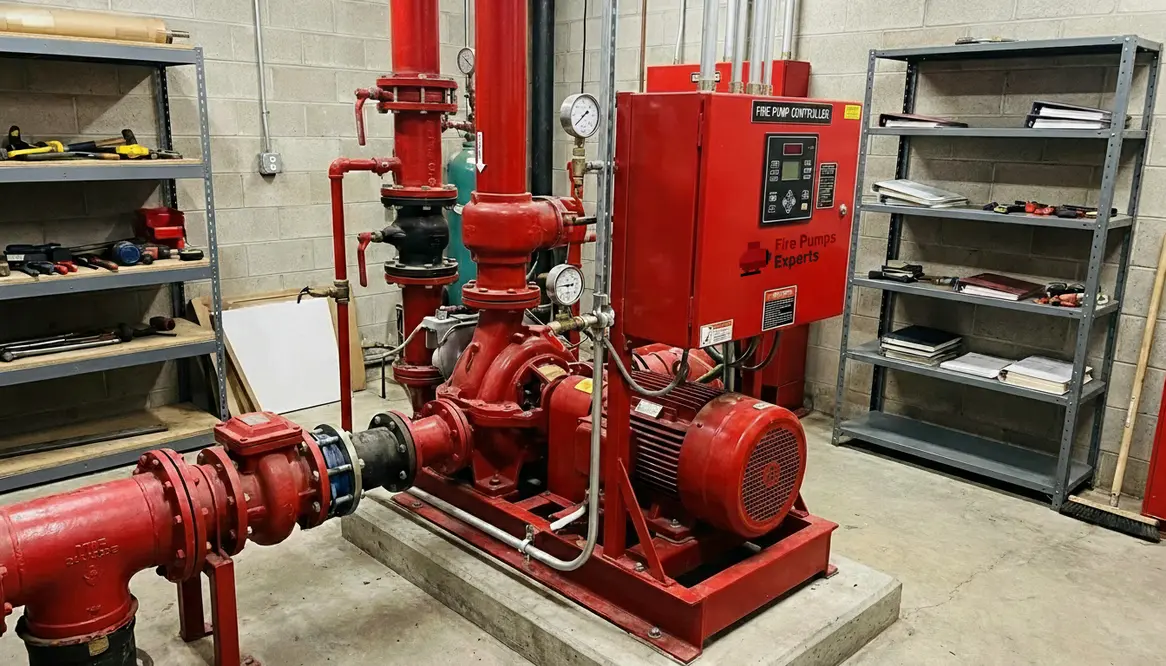
When I talk about AS 2118 commercial fire pump requirements, I am talking about the quiet workhorse that steps in when fire pressure drops and every second starts to count. In a commercial building, that pump is not a luxury. It is the muscle behind the sprinkler and hydrant system, and it can decide whether a small incident stays small or turns into a very bad day. I have seen how building owners can treat fire protection like background music, until the music suddenly becomes a live alarm. So let me walk you through what matters, what inspectors expect, and why a smart fire pump setup keeps a building ready without drama.
What AS 2118 commercial rules really mean for a building
At its core, AS 2118 sets the standard for how fire pumps support sprinkler systems in commercial and industrial facilities. I look at it as the rulebook that keeps pressure, flow, and reliability from wandering off like a distracted side character in a bad movie. The pump must deliver enough water at the right pressure when the system needs it most. That means I do not just check the pump itself. I check the full setup, including power supply, pump room conditions, and how the system starts during an emergency.
For commercial buildings, the standard matters because demand is never simple. A warehouse, shopping centre, office tower, or major mixed use site can all have different risks. Therefore, the pump must match the hazard level and the design of the fire protection system. If the pump is too small, the system fails under load. If it is poorly located, maintenance becomes a headache. And nobody wants a fire safety plan built like a rickety shopping cart.
Why the AS 2118 commercial approach matters
In busy commercial environments, people assume the building is covered: alarms are wired, sprinklers are ready, hydrants will roar to life. But none of that performs properly if the fire pump cannot back it up. That is why AS 2118 commercial expectations are not just about box-ticking. They are about building a chain of reliability from water source to final sprinkler head.
I treat the standard as a checklist that keeps everyone honest: designers, installers, owners, and service providers. When each one does their part, the system behaves like a well-trained team instead of a group of strangers meeting for the first time during an emergency.
Fire pump sizing and pressure requirements
Where the real engineering work lives
I always start with sizing because this is where the real engineering work lives. The pump must meet the required flow rate and pressure for the sprinkler or hydrant demand, plus any losses in the system. In plain terms, it must push enough water to the highest and farthest point in the building without losing steam. That is where elevation, pipe length, fittings, and friction losses all come into play.
My dual view of key checks
Design side
- I confirm the required water demand, pressure targets, and worst case fire scenario.
- I review the hazard classification for each area of the building.
- I check that pump curves align with system performance needs, not just catalogue promises.
Site side
- I check the pump room, suction supply, controller access, and how easy it is to test and maintain the unit.
- I look at pipe routing and valve locations so testing does not turn into an obstacle course.
- I make sure the system layout matches the paperwork, not someone’s optimistic memory.
This is also where AS 2118 commercial systems need close coordination with the overall building fire design. If the water source cannot support the pump, then the pump is basically a very expensive box with great confidence and no backup. I like confidence, but I prefer it paired with compliance.
Pump room, power supply, and backup systems
Why the room matters more than people think
The pump room matters more than many people think. I look for clear access, proper ventilation, drainage, and enough space for maintenance. If the room is cramped, hot, or hard to reach, then the system becomes harder to trust. Fire equipment should not need a treasure map.
Power that stays on when the lights go out
Power supply is the next big piece. A commercial fire pump must keep working when the building loses normal power. That usually means a reliable main power arrangement with backup support, such as a diesel driven pump or standby electrical supply, depending on the design. The goal is simple: when the lights go out, the pump should not take that as a cue to clock off.
I also pay attention to automatic start features, battery support where needed, and controller health. A system should start fast, run smoothly, and give clear fault signals. If the pump control panel looks like a science fiction prop from a low budget film, I know I need to dig deeper.
AS 2118 commercial inspection points I never skip
When I inspect a commercial fire pump setup, I focus on the parts that most often cause trouble later. The list below covers the basics I never leave out:
- I verify the pump type and capacity against the approved design.
- I check suction conditions and water supply reliability.
- I confirm the pump room has safe access and enough working space.
- I review controller alarms, power supply, and backup start options.
- I test the pump under realistic conditions, not just by looking at it and hoping for the best.
- I make sure maintenance records and service intervals stay current.
These checks help reduce failures before they happen. And that matters, because fire systems rarely fail at a convenient time. They seem to prefer late nights, public events, and other moments when everyone would rather not deal with emergencies.
Maintenance and testing: protecting commercial facilities
Why “busywork” testing is anything but
Testing is not busywork. It is proof that the pump will respond when the system calls for help. I want regular checks on pressure, flow, starts, alarms, and any signs of wear. Over time, pumps can lose performance because of corrosion, seal issues, blocked strainers, or controller faults. So I treat maintenance as a living part of compliance, not a box to tick once and forget.
The real cost of ignoring AS 2118 commercial routines
For commercial and industrial sites, the cost of downtime can run far beyond repairs. A fire pump fault can delay operations, trigger compliance issues, and raise insurance concerns. That is why I always push for a routine that includes inspection, test running, and quick repair of faults. If a system sits untouched, it can turn into a very expensive ornament. Decorative? Maybe. Protective? Not so much.
When AS 2118 commercial maintenance schedules are treated as non-negotiable, the system quietly stays ready in the background. When they are treated as optional, the pump waits for the worst possible moment to remind everyone it exists.
AS 2118 fire pump quick reference
Core performance goals
- Deliver adequate pressure to the most remote sprinkler or hydrant point.
- Maintain flow for the required duration under worst case demand.
- Start automatically, quickly, and reliably when called upon.
- Keep running during a power failure through suitable backup.
Common weak spots I look for
- Pump rooms used as storage, blocking access.
- Suction lines with poor valving or air traps.
- Controllers with unclear alarms or missing labels.
- Maintenance records that look like a short story instead of a logbook.
If you want more detail on compliant fire pump services for commercial and industrial facilities, you can review this helpful guide to commercial fire pump solutions at https://firepumps.org/.
FAQ for AS 2118 commercial fire pump systems
Conclusion: keep your fire pump ready before you need it
I treat AS 2118 commercial fire pump compliance as a practical shield, not a paper exercise. When the design is right, the room is fit for purpose, and the testing stays current, the system can do its job without fuss. If you manage a commercial or industrial building, now is the time to review your pump setup, fix weak points, and plan proper maintenance. A fire pump should never be a mystery. It should be ready, reliable, and quietly doing the heavy lifting.